Bonnington Pavilion

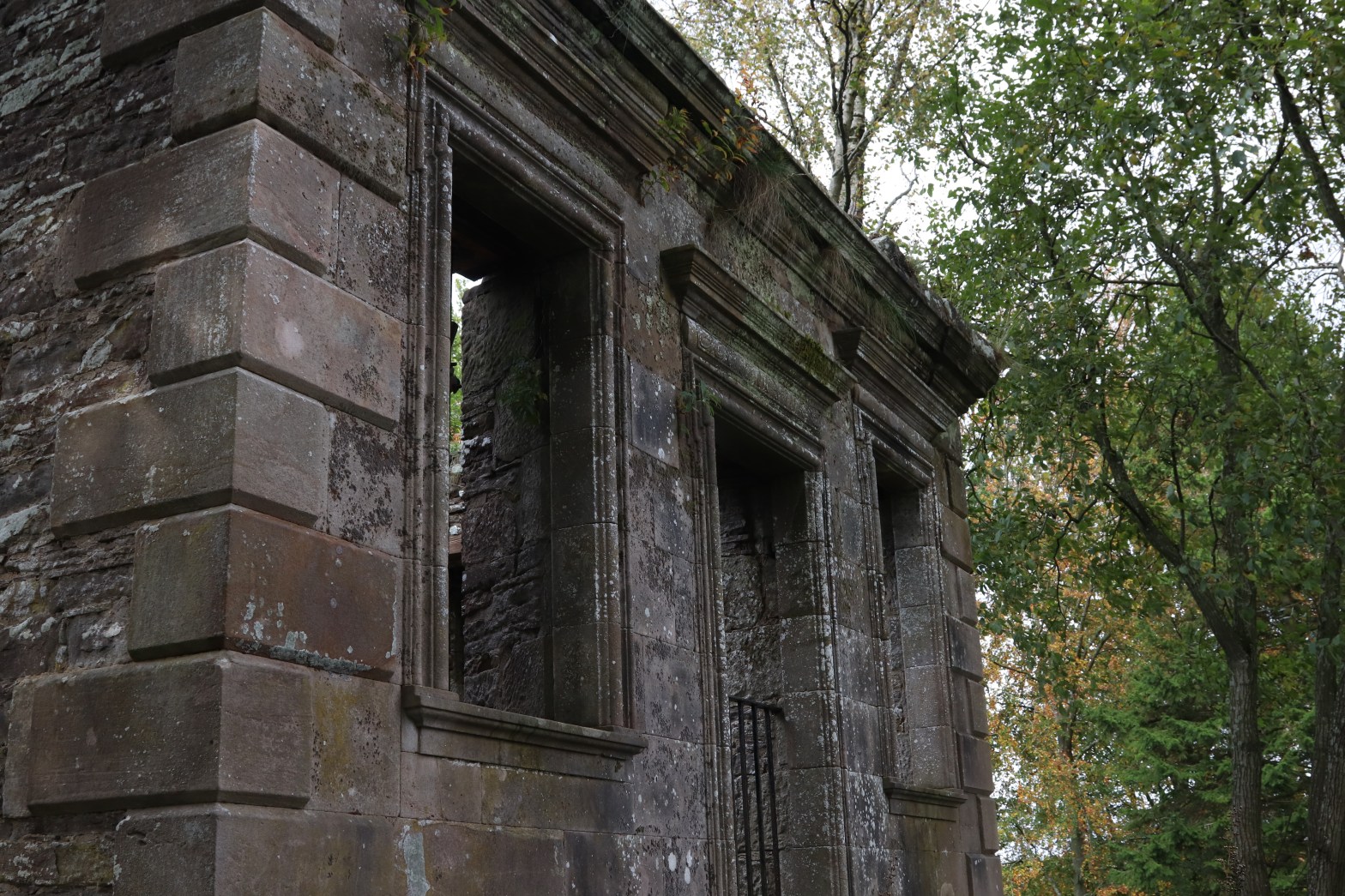
So I haven’t journeyed far from my last blog post to bring you to Bonnington Pavilion or the Hall of Mirrors. It’s part of the historic Falls of Clyde area next door to New Lanark. I came across this by chance when I initially read this article shared by a Facebook page deadicated to abandoned buildings. The “first Camera Obscura in Scotland”? Well that got this camera nerd interested. We had just been talking about that at college so I knew a bit about them and, better still, I was headded out in the right direction with my own camera soon because of the Shining Lives event.
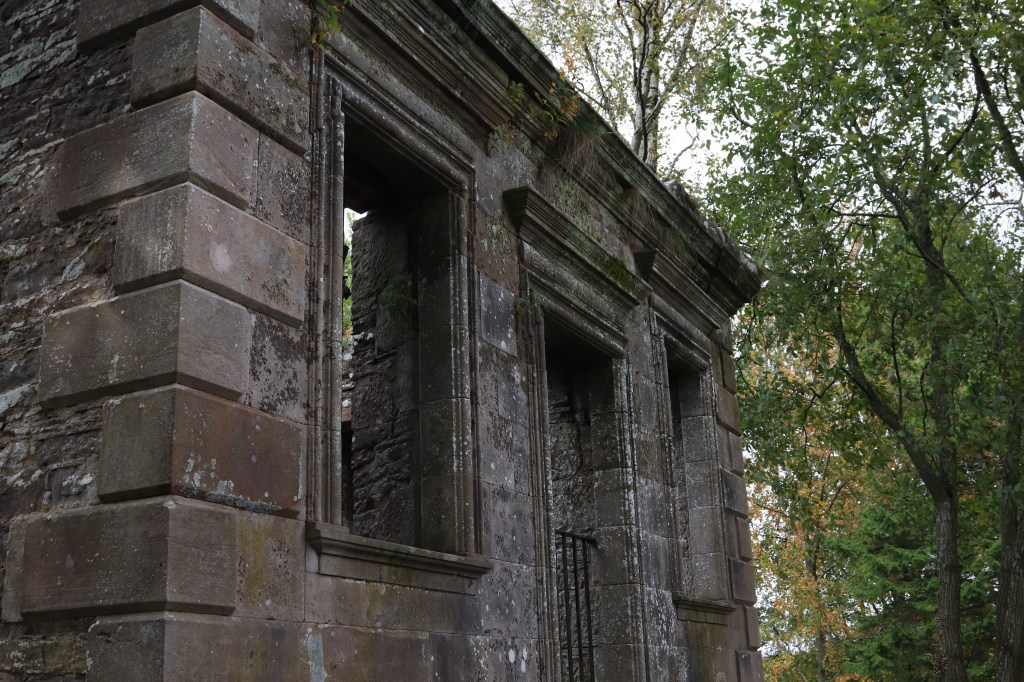
So let’s start with the history…. The Scottish Wildlife Trust, who care for the Falls of Clyde area, state in their historic walk leaflet that the Pavilion was built in 1708 as a hunting tower. Other sources usually state that it was always a viewing pavilion for the Corra Linn falls. Either way it has beautiful remaining stonework and would have been very suitable for visitors to enjoy the surroundings. What all the sources do seem to agree on that it was covered on the inside with mirrors to enhance the experience of the falls. Indeed people were invited to buy a ticket and enjoy the grounds of the Bonnington Estate so it was an early tourist attraction.
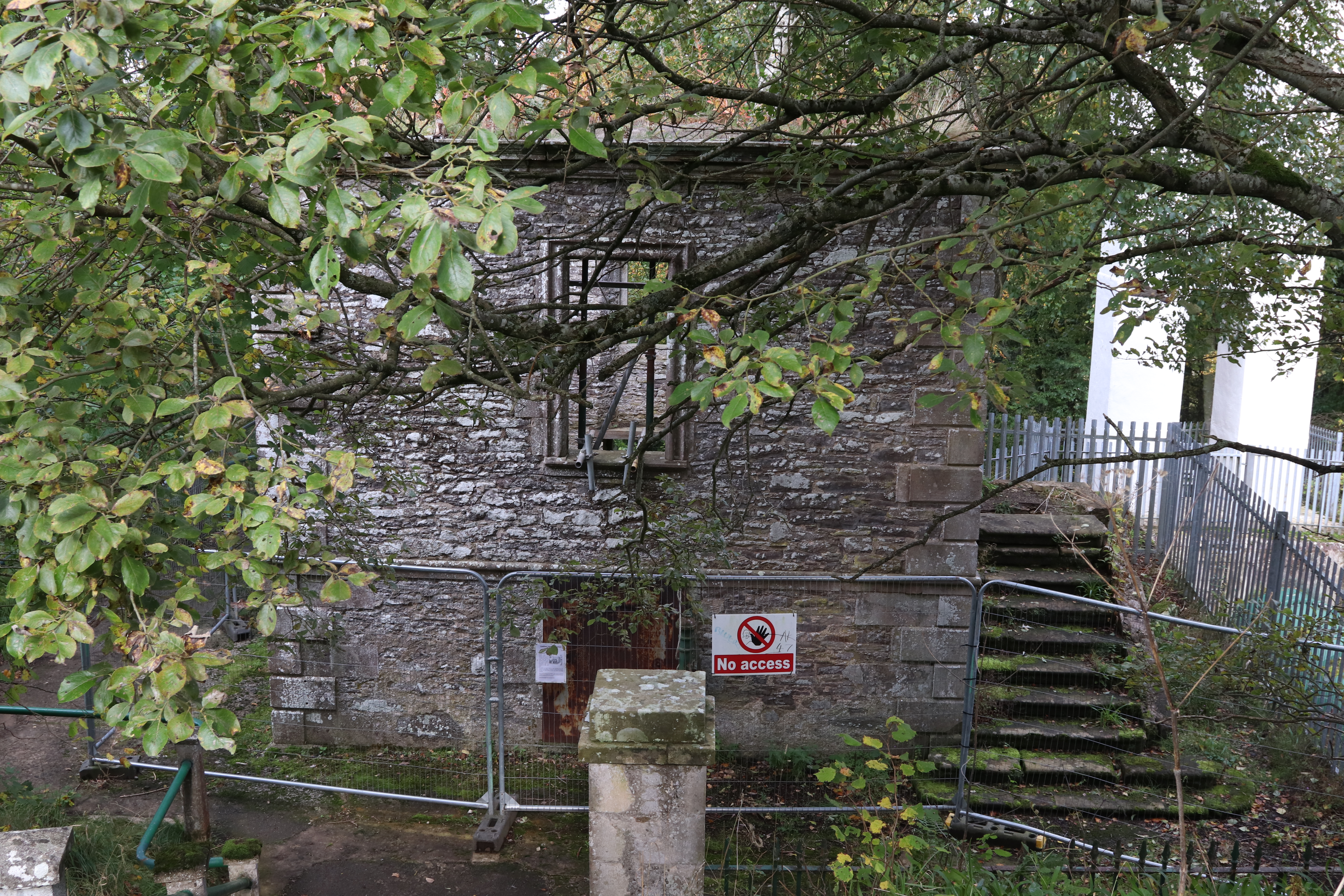
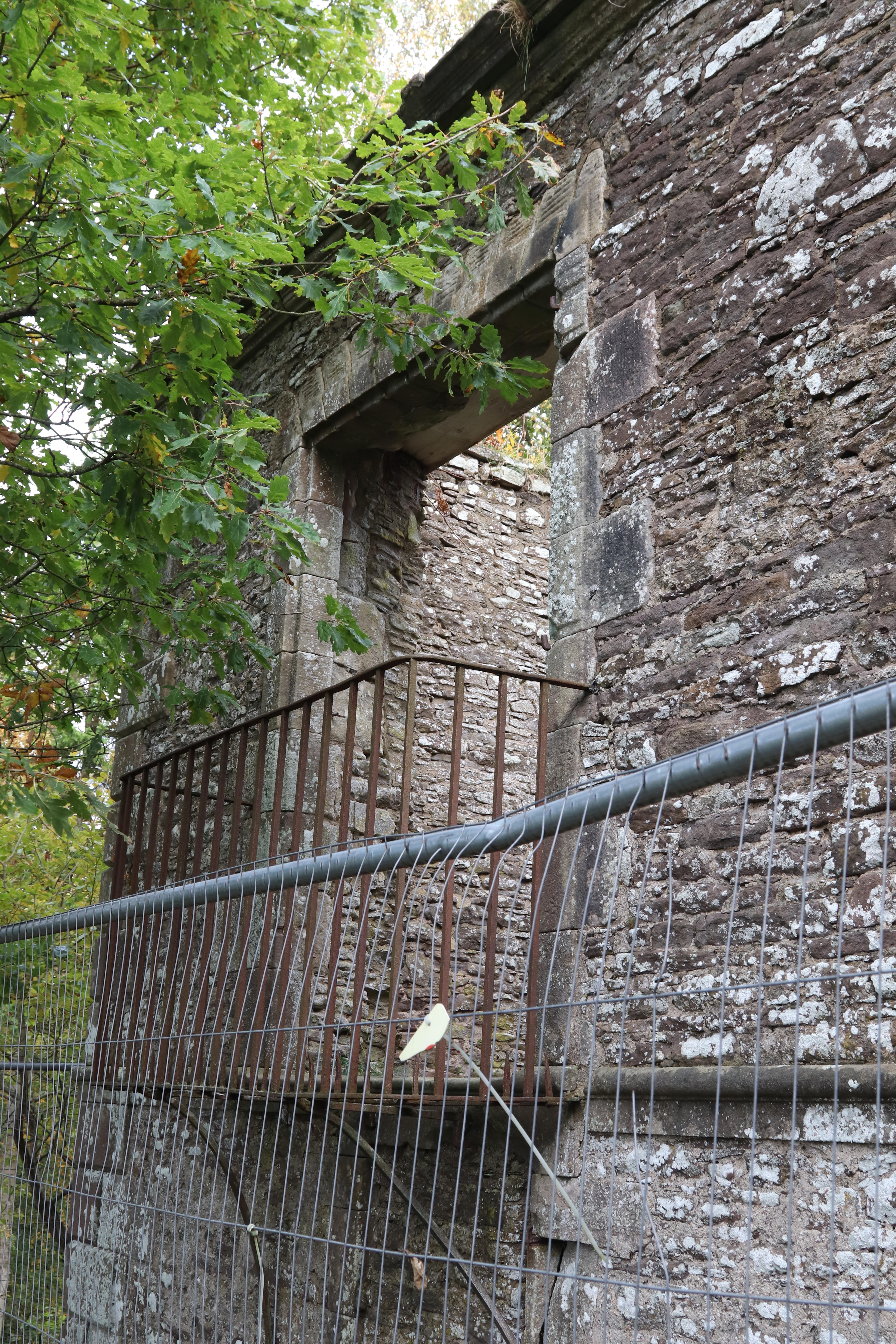
But was it a Camera Obscura? I have my doubts. I feel like there would be more sources stating it but I can only really find the note mentioned in the original article.
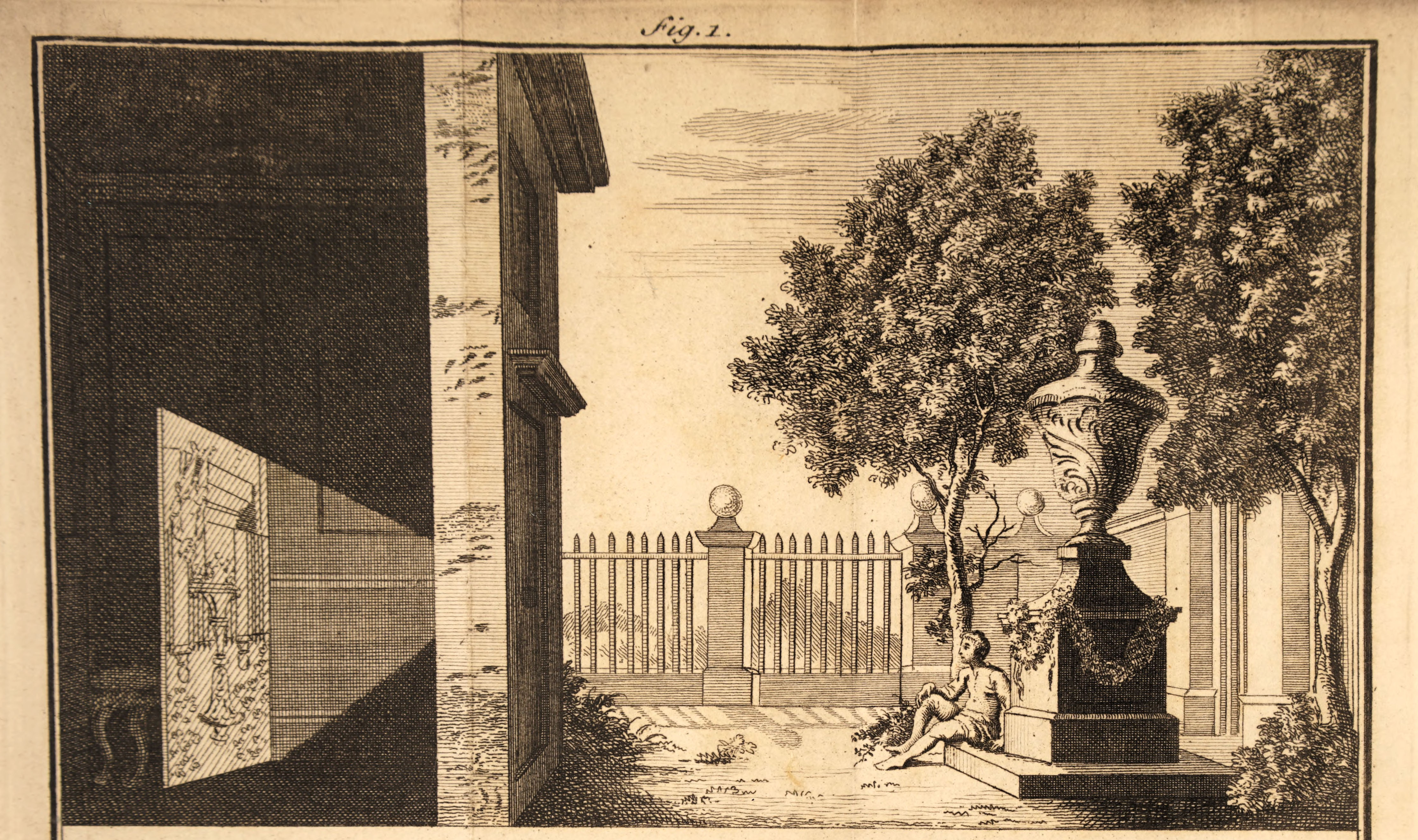
A Camera Obscura is essentially a dark box (or blacked out room) and a pinhole. The image is projected upside down on to the wall opposite. This is a similar principle to a pinhole camera where the light would hit film/light sensitive materal and the image would be captured.
Image credit – Wikipedia

Camera Obscura were used to entertain and by artists to copy landscapes and buildings. It could have been a simple parlour trick to entertain the tourists but I feel they would have written about that. In 1835 the famous Camera Obscura in Edinburgh opened and invited the public to enjoy images of the city.
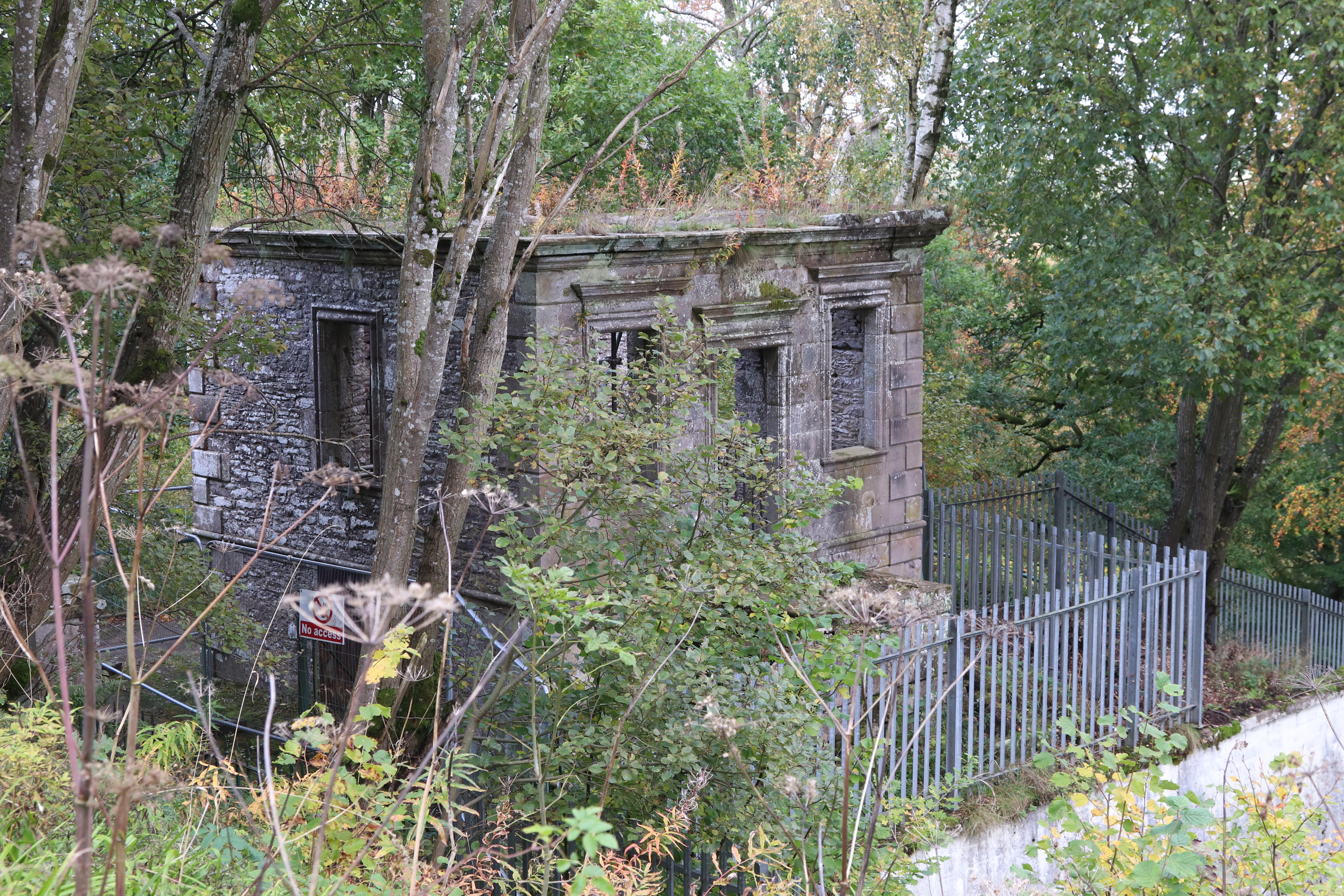
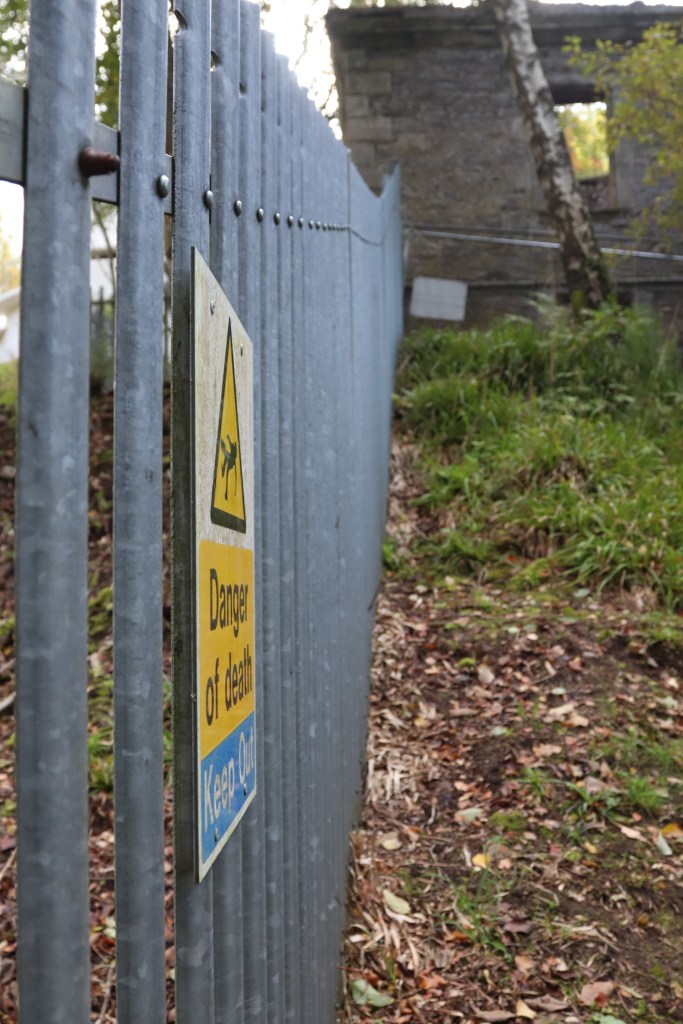
What I can say about this slice of history is that it is likely to disappear eventually unless something is done. There is a large hydro electric plant very close to the side of the building and it’s part of the reason the building needs such an amount of fencing. Additionally it’s now very fragile as buildings go and is supported internally with scaffolding. With Bonnington Estate’s grand house, stables, gardens all now gone we should be trying to save this remaing piece
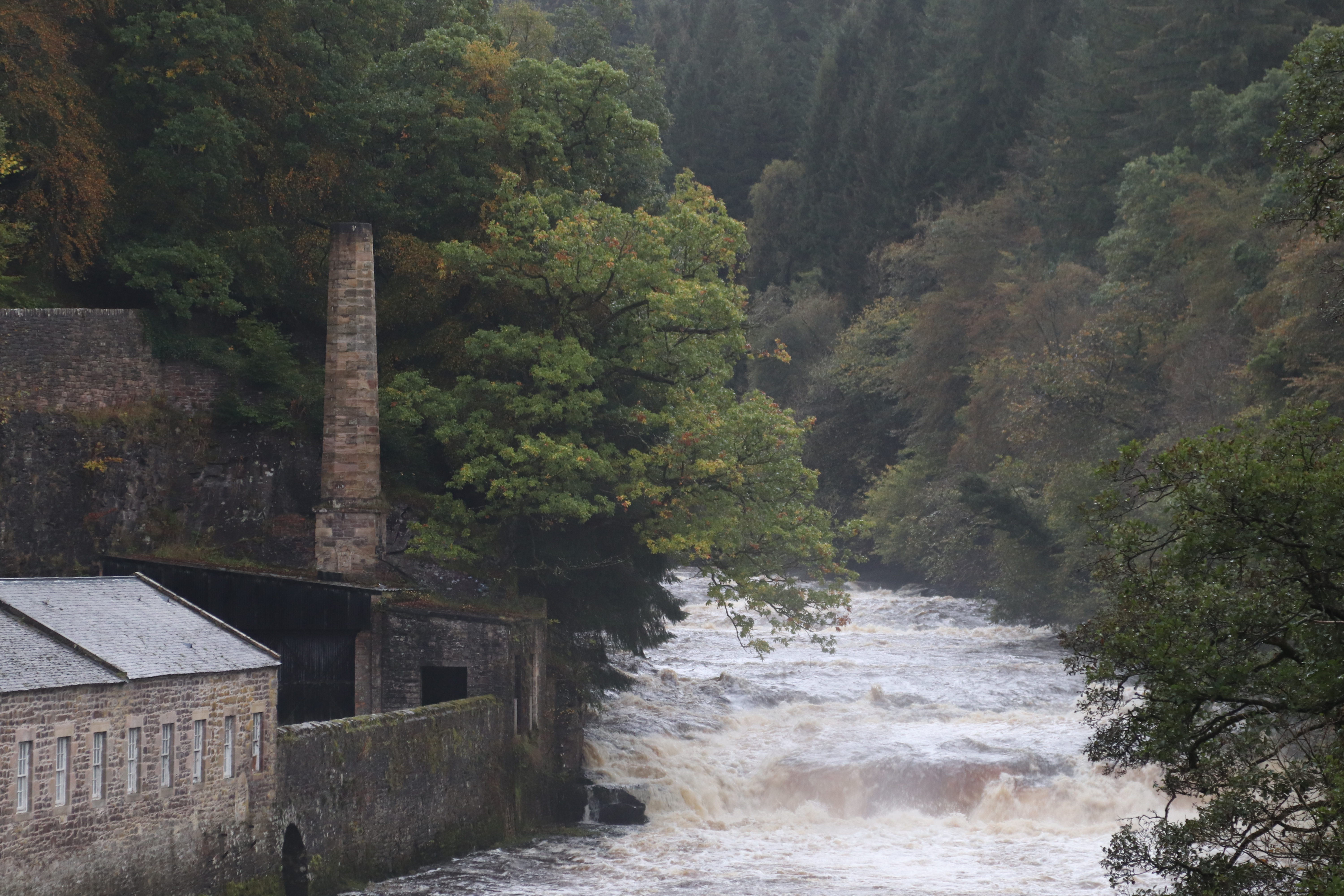
New Lanark

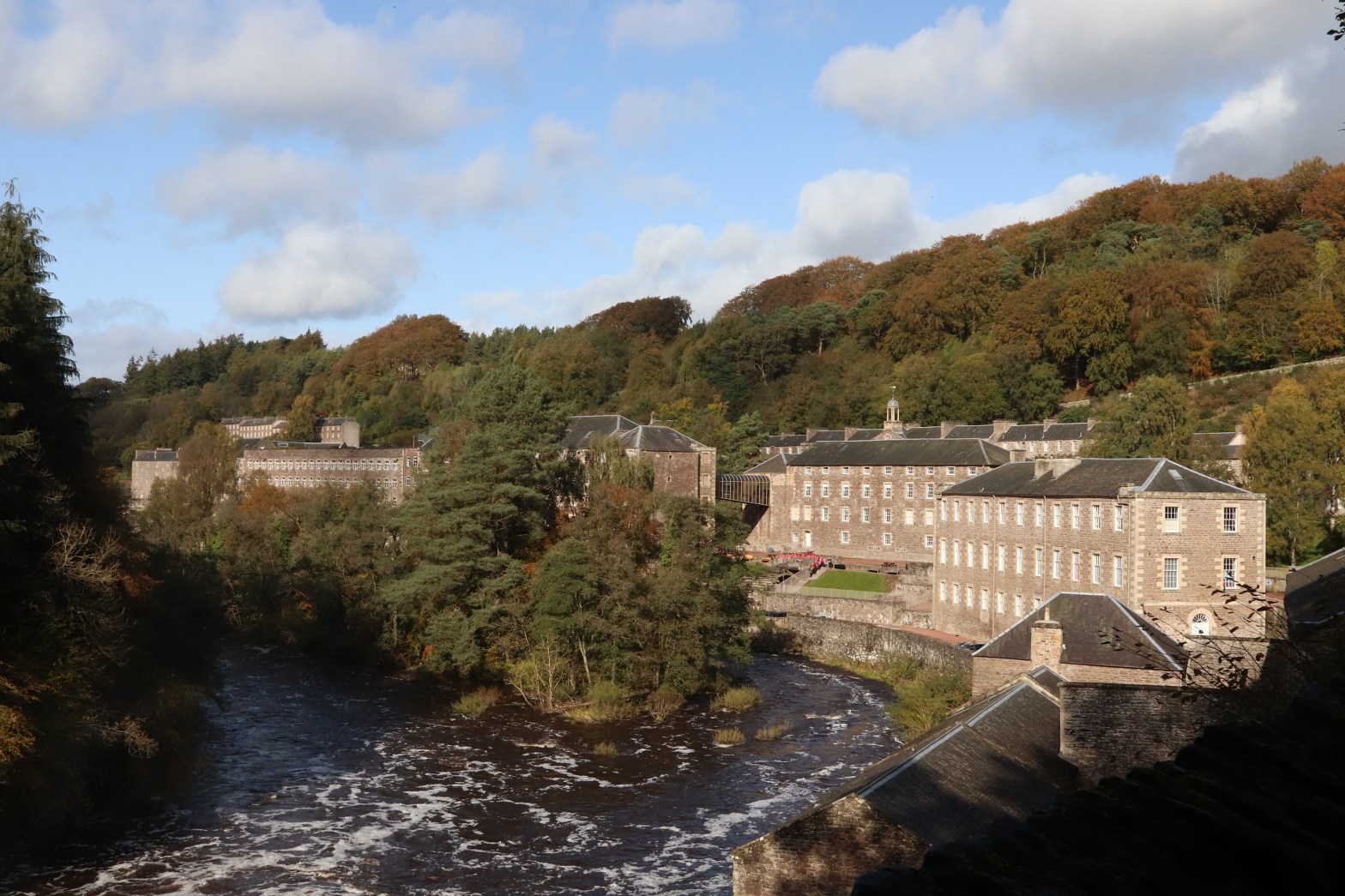
The beautiful village of New Lanark is one of my favourite haunts, even before I became attached to a camera. There’s something about its selfcontained nature and the history attached to the place that keeps dragging me back. Well that and the fact that I still feel like I haven’t seen every single corner yet.

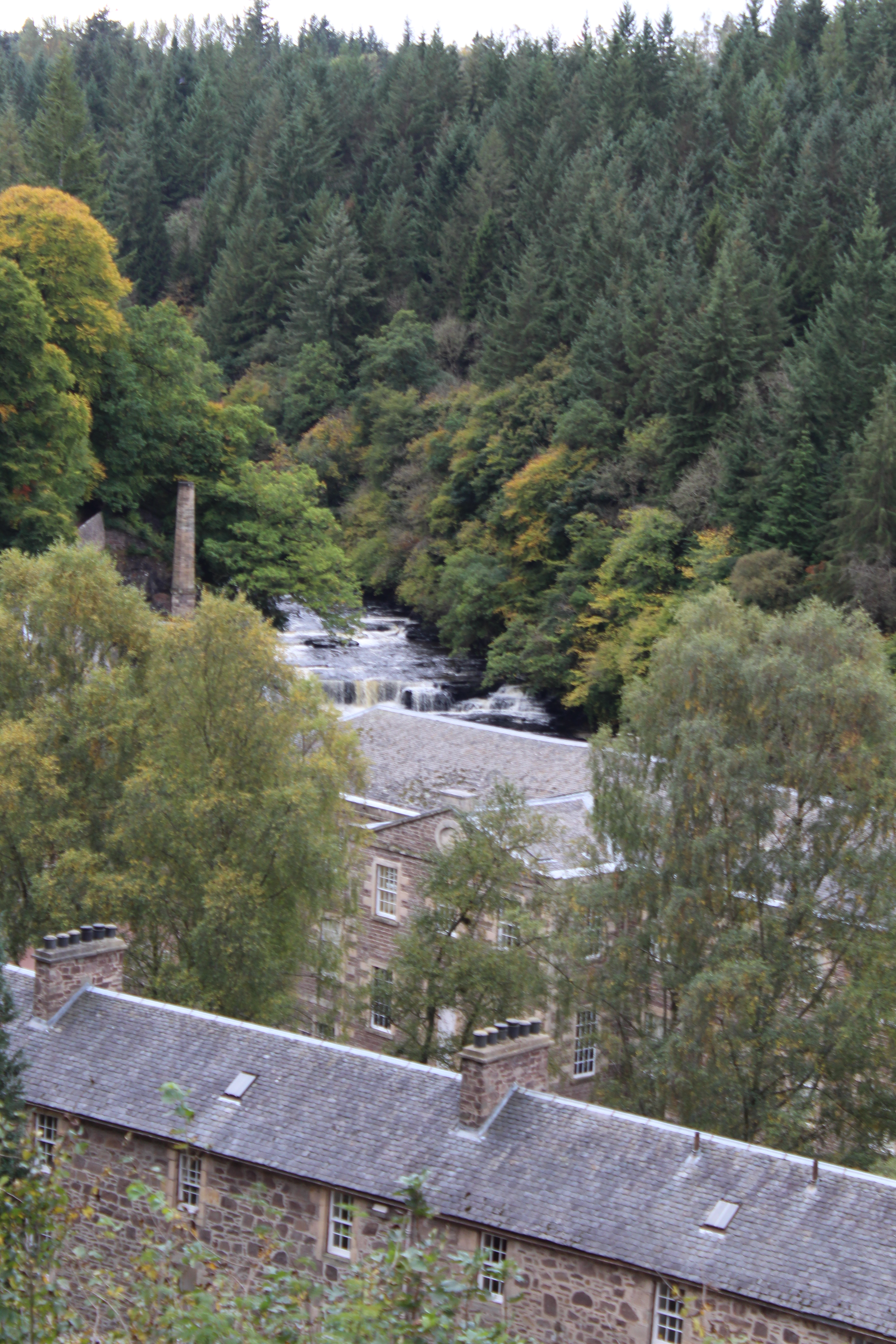
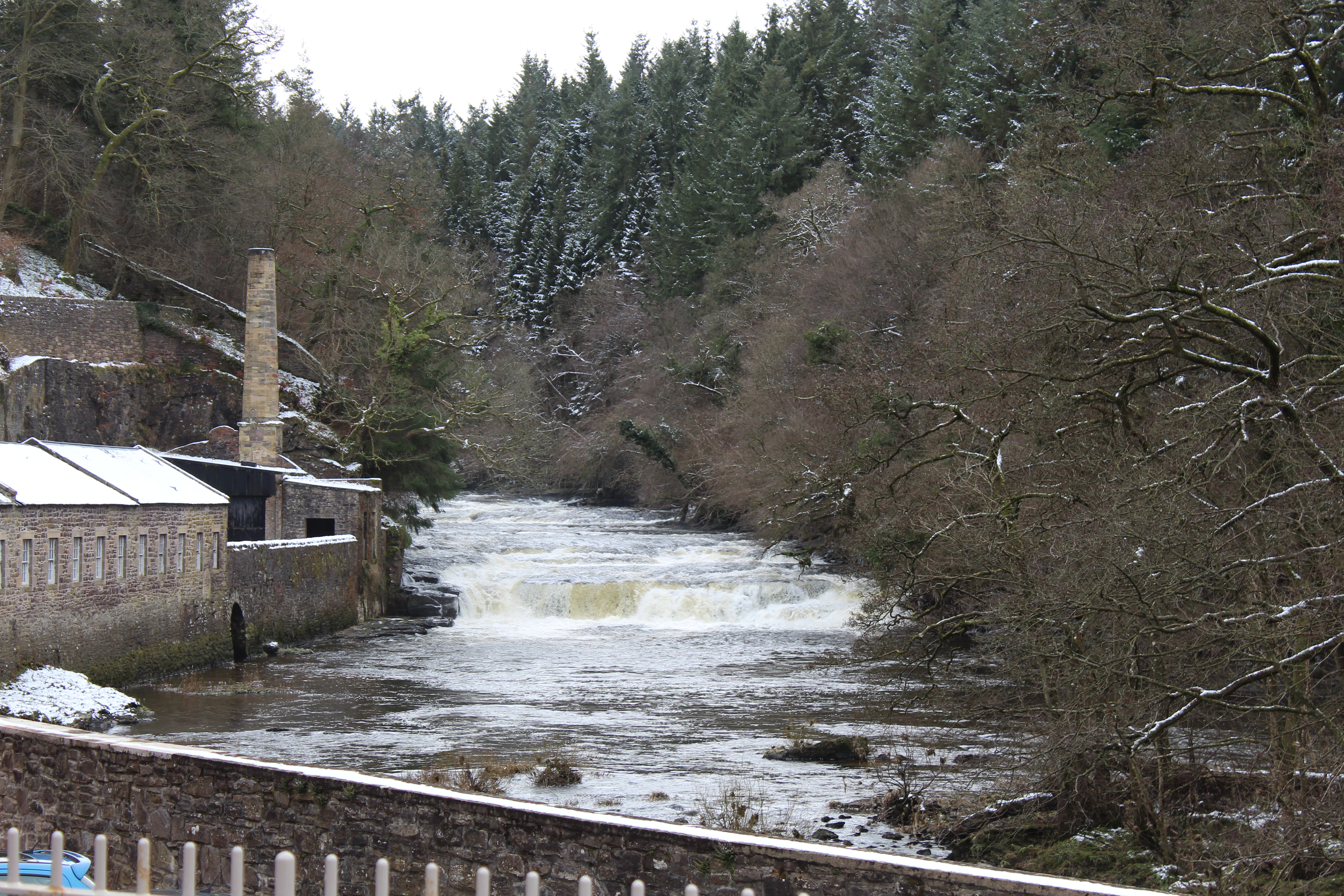
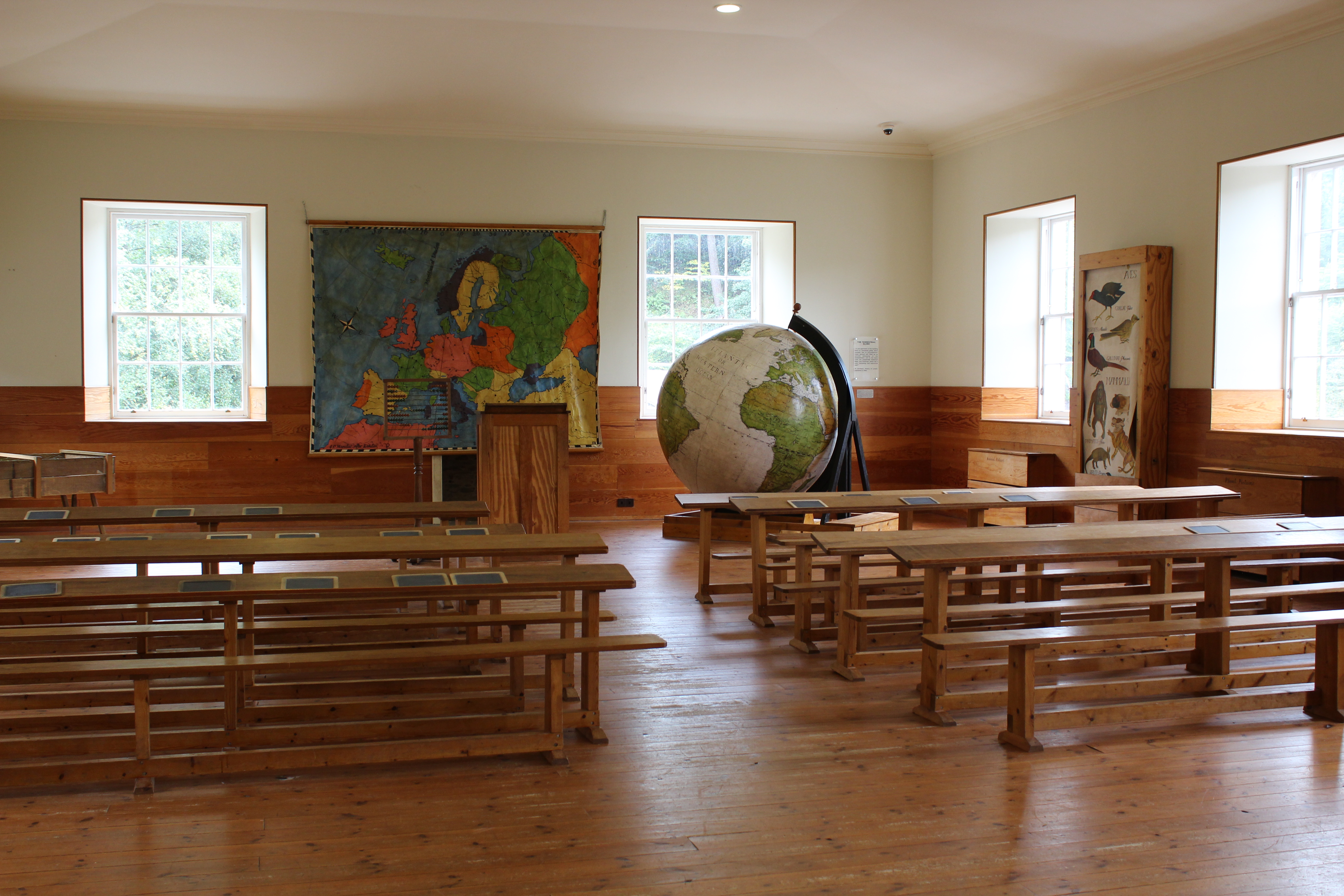
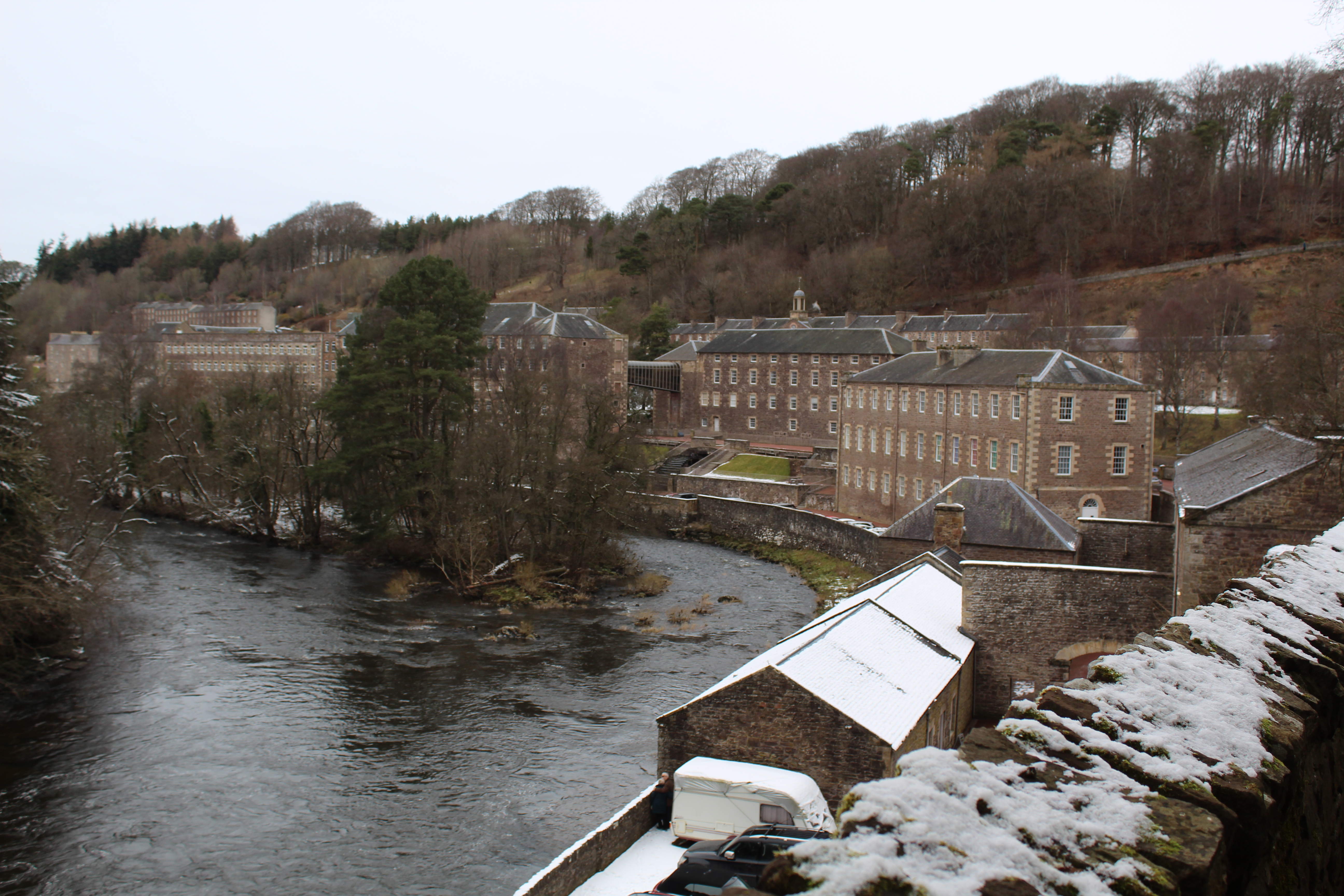
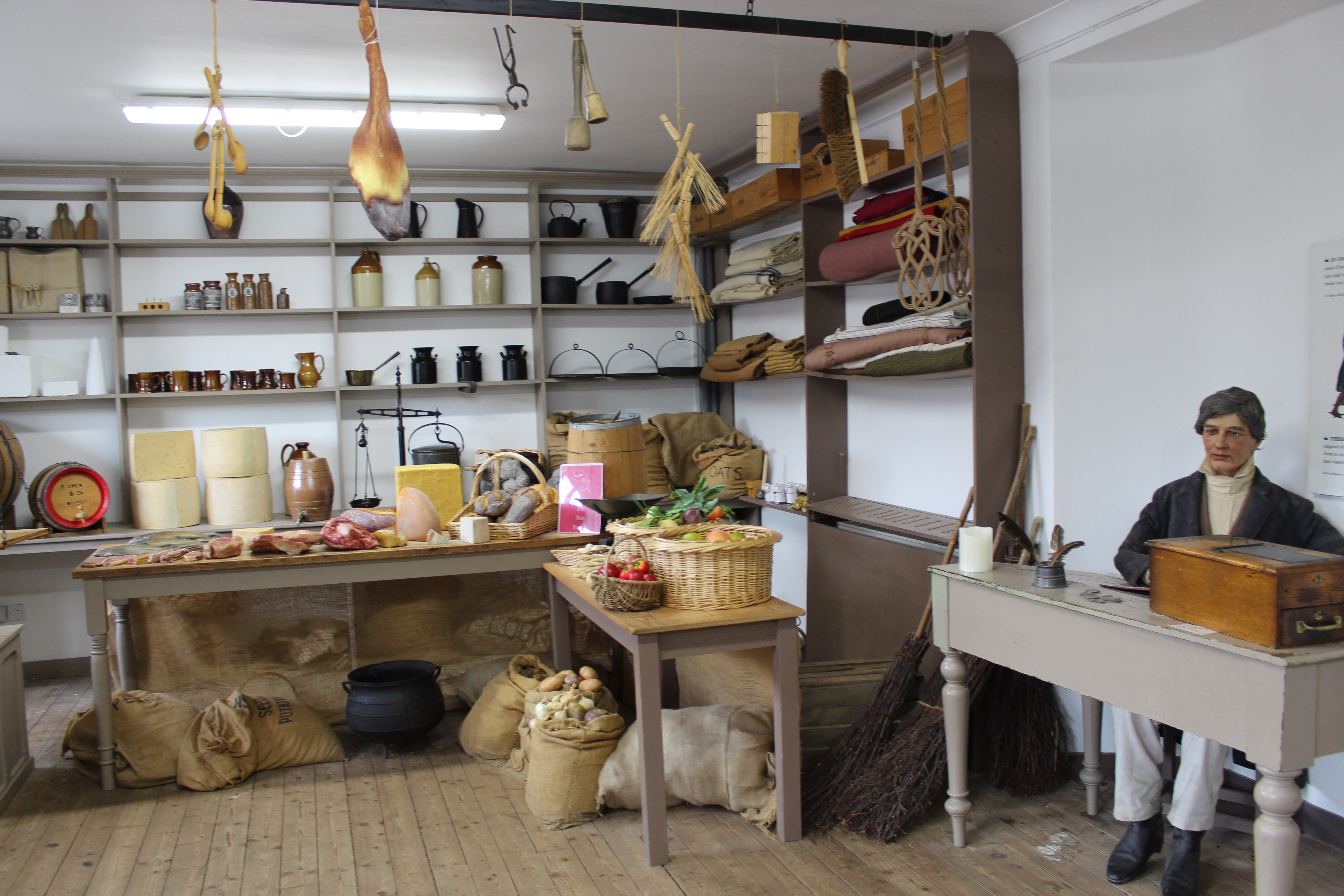
I have photos hailing from every season and every incarnation of my kit. All of these are from 2018/2019. Even if you don’t leave the village for the Falls of Clyde then there is a wealth of history and places to discover. Pre-Covid the Spinning machine works Monday to Saturday so you get a sample of the noise and atmosphere of the mill when it was in operation. The wool that is spun here is on sale in the gift shop and the cafe is an essential stop on any trip. Additionally you can explore the houses of the mill workers, village shop, Robert Owen’s house and the school when you get a entrance ticket (worth it!).

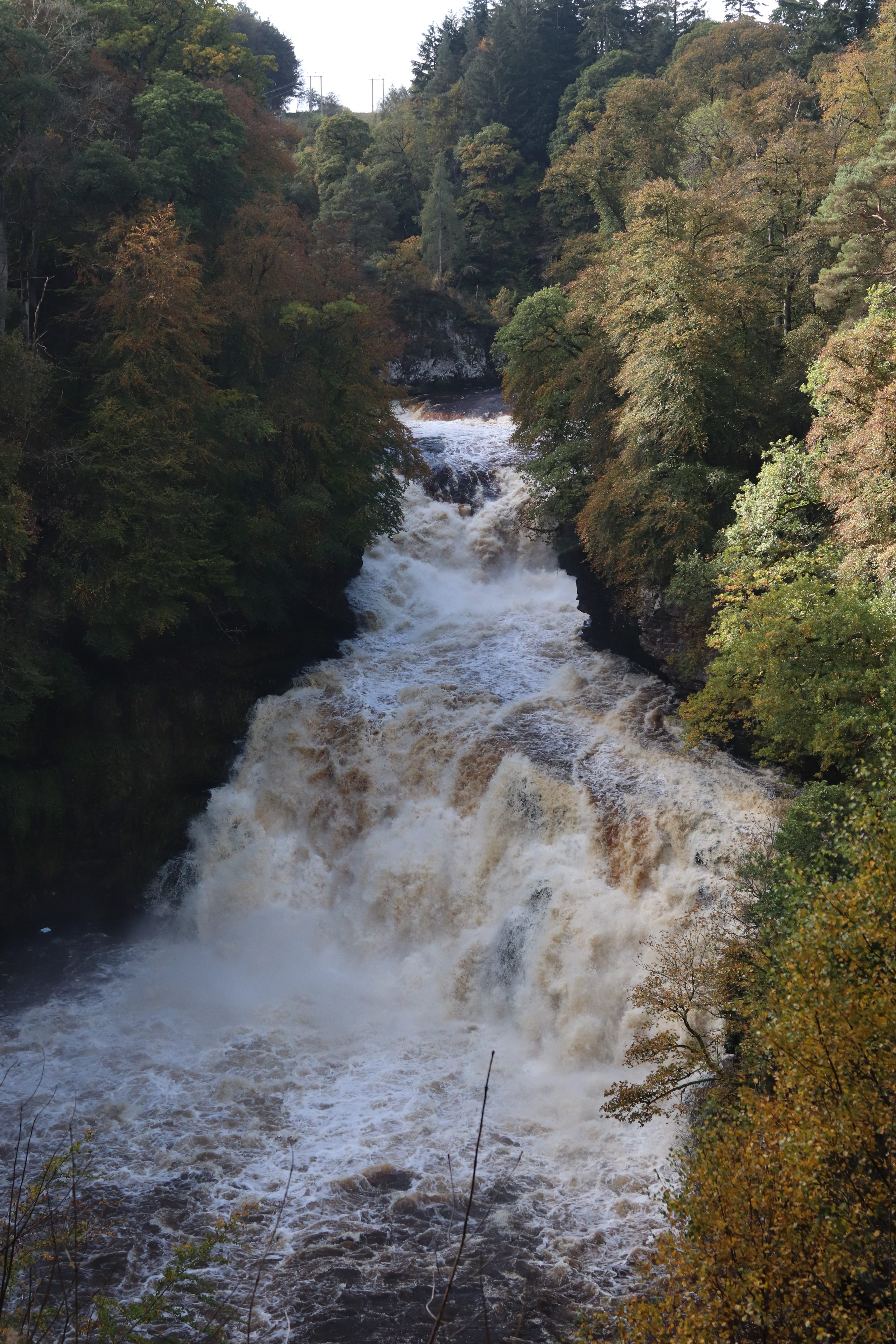
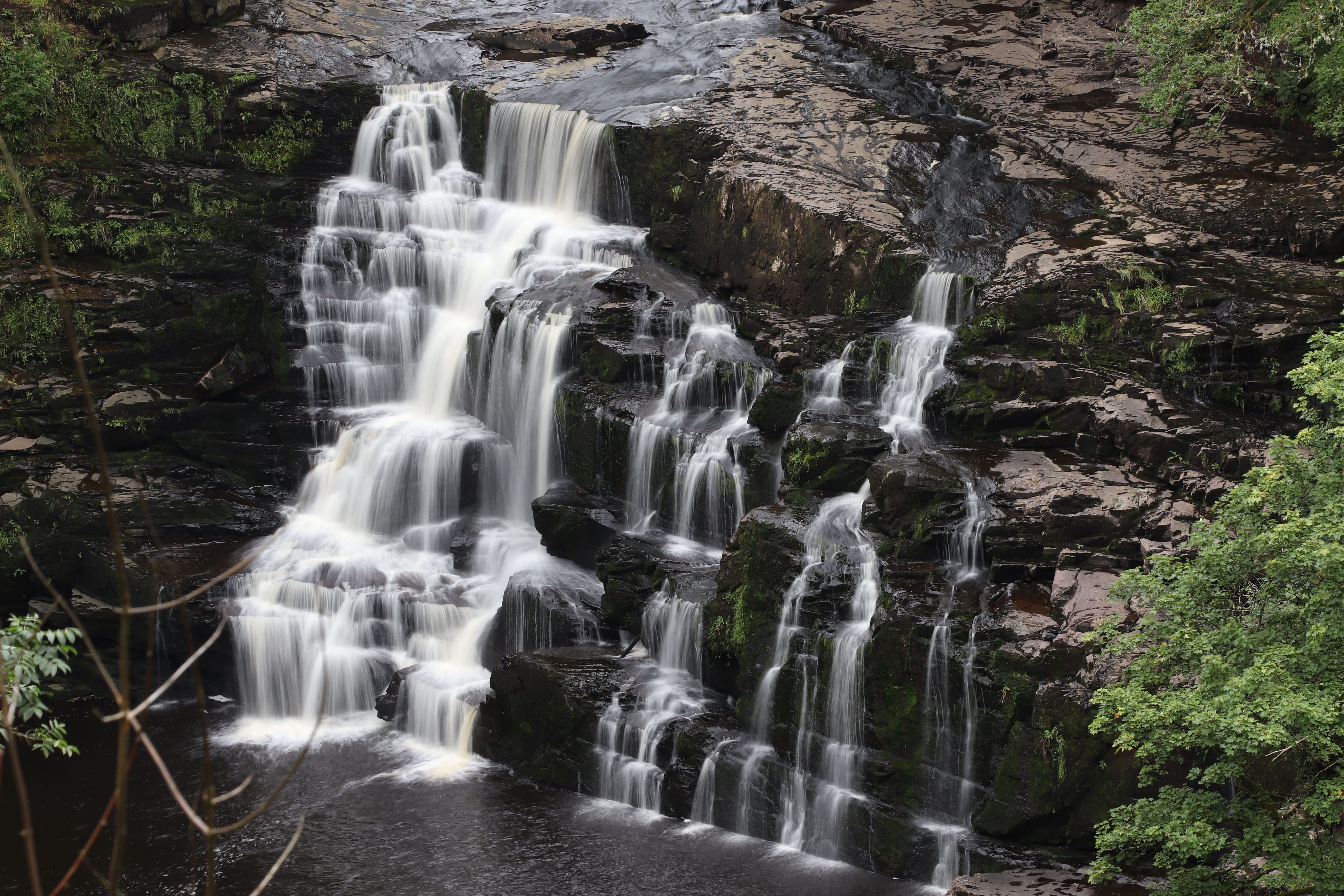
The beautiful walk along the Falls of Clyde is a great way to spend the afternoon it too changes with the seasons as you can see from the gallery above. This land was part of the Bonnington Estate and there are still pieces of history dotted all over the hiking trails.

This land was part of the Bonnington Estate and there are still pieces of history dotted all over the hiking trails. Interestingly the archway at the start of the trail marks the land boundary and the workers of the mills were not permitted to pass through.

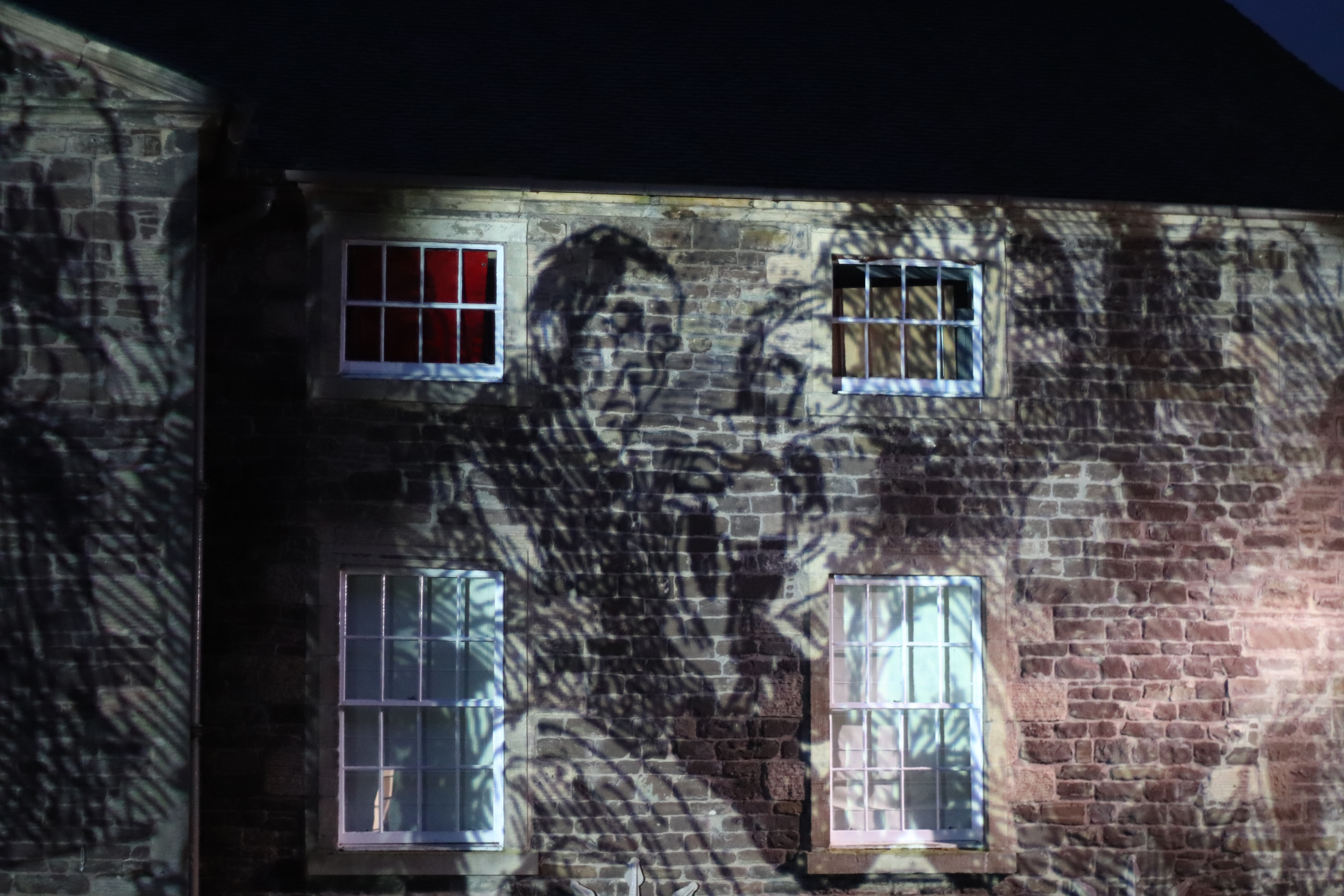
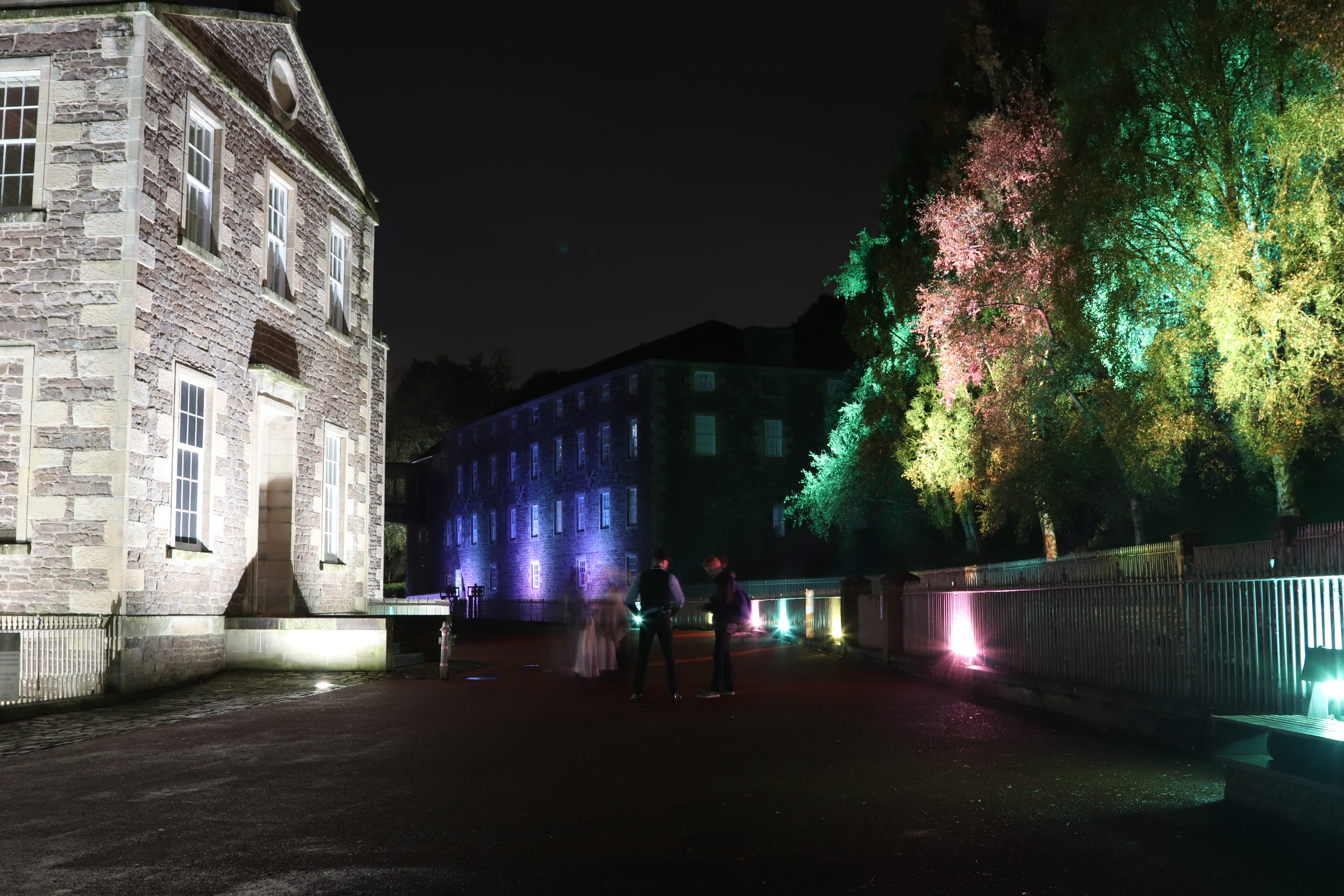
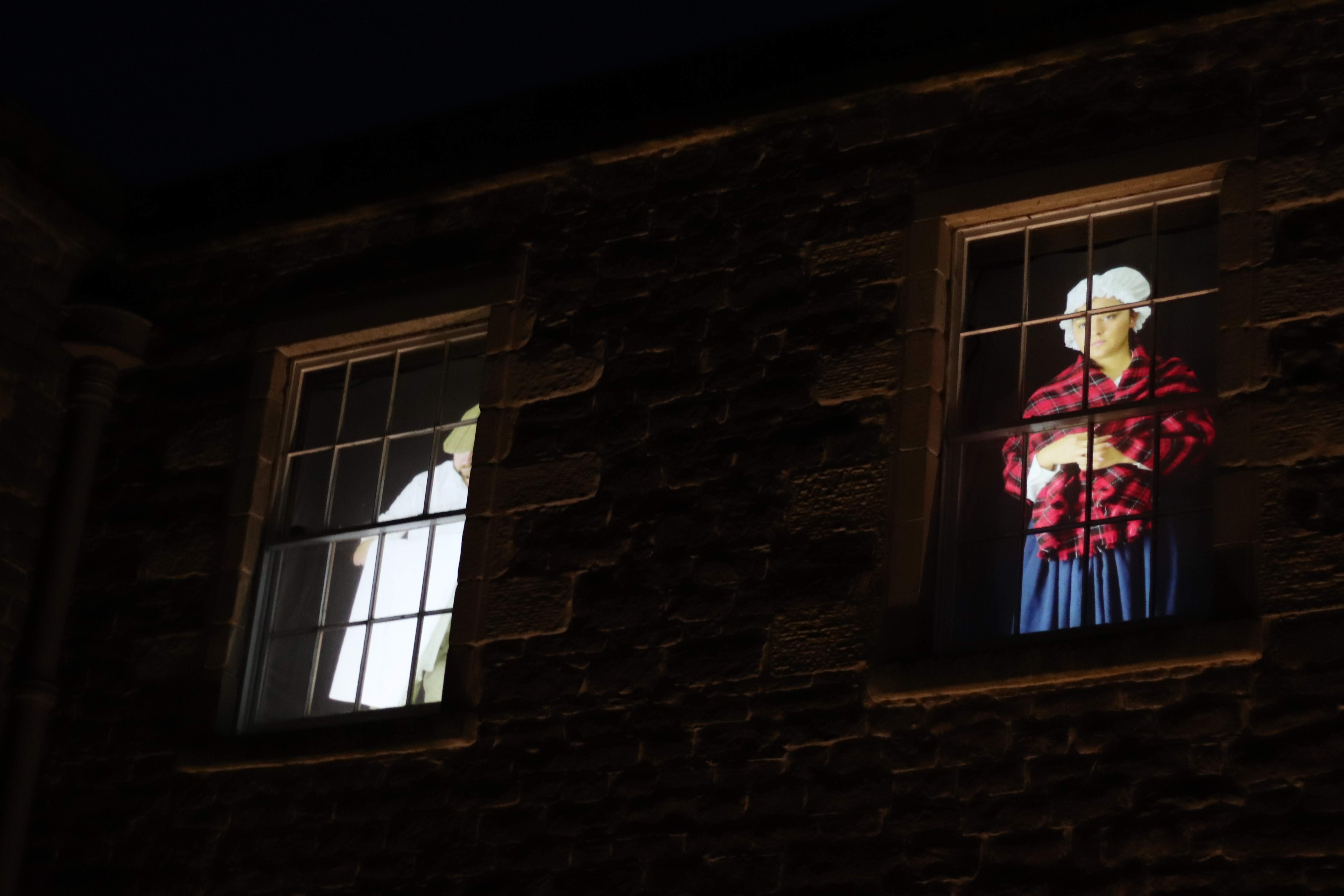
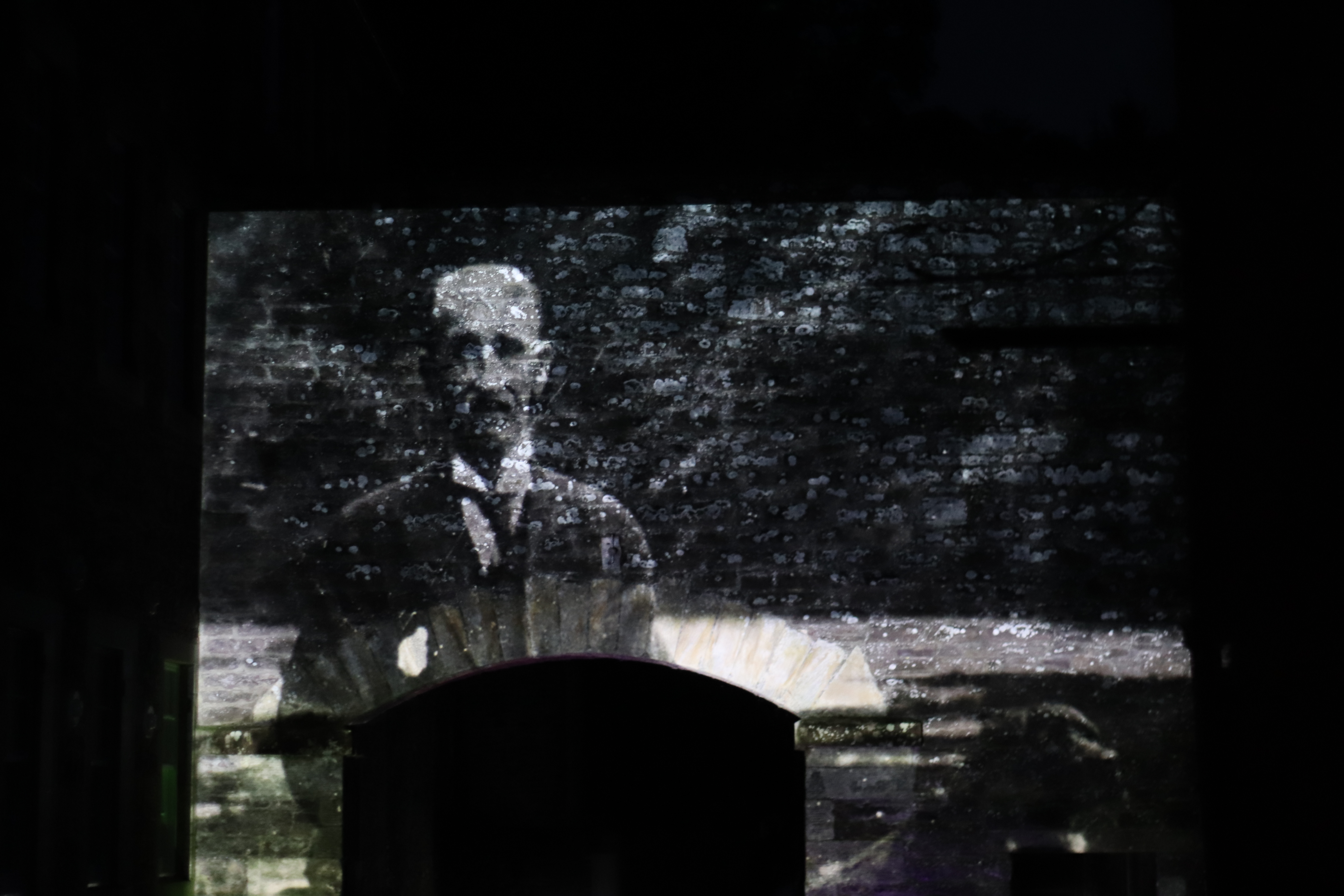
I’m lucky that I have been to a couple of events at New Lanark as well. Most notably I was able to attend a press launch of Shining Lives: Fortunes of Fate last October. It was an installation of light and images projected onto the buildings, telling the story of highlanders who were on their way to America only to find an opportunity and a home in New Lanark. This was a beautiful way to see the buildings and to learn about another part of the history.

It’s safe to say it’s well worth the journey at any time of the year. Although the virus has temporarily closed the exhibits, you can still hike the falls, appreciate the buildings, learn about the history and enjoy some time off in the cafe.

Summerlee

So this one took me two visits to get all the way round. I seriously underestimated the amount of glorious things there were for me to snap. Also the cafe is brilliant.

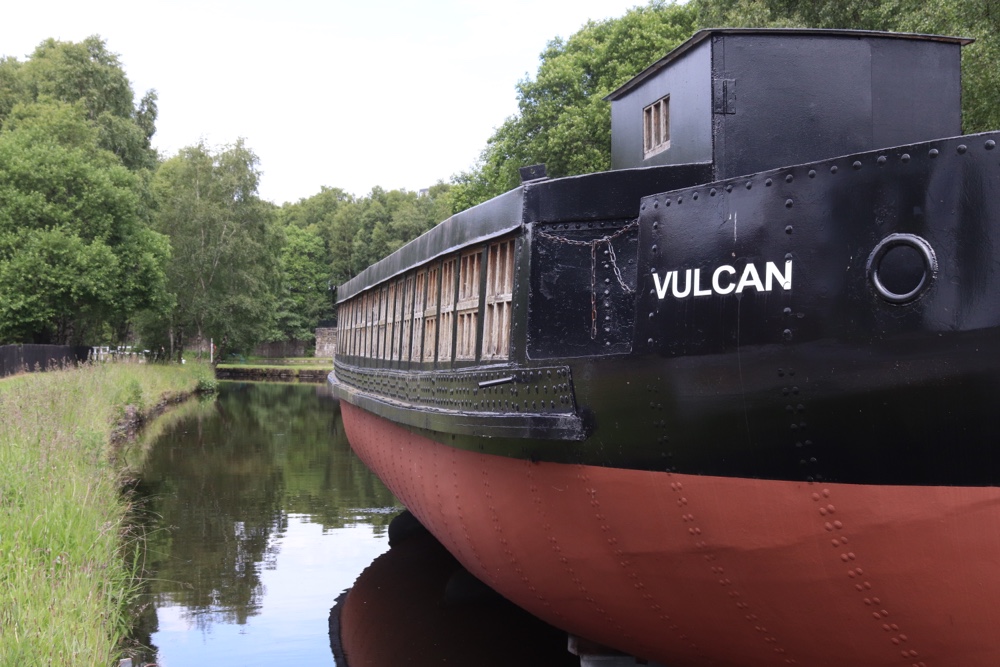
Out in Coatbridge, Summerlee is an old iron works now home to an almost endless display of the industrial heritage of Lanarkshire. Even up into my youth still a source of steel, Lanarkshire was home to many coal mines, weavers, engineering plants, steel and iron works. Summerlee is the child and photographer friendly home to a collection of social and industrial history exhibits. There’s a working tram service, coal mine (recreation), canal barge, miners’ cottages, trains…. you can see why it took me so long with my rust problem (I have a lot of rust photos).

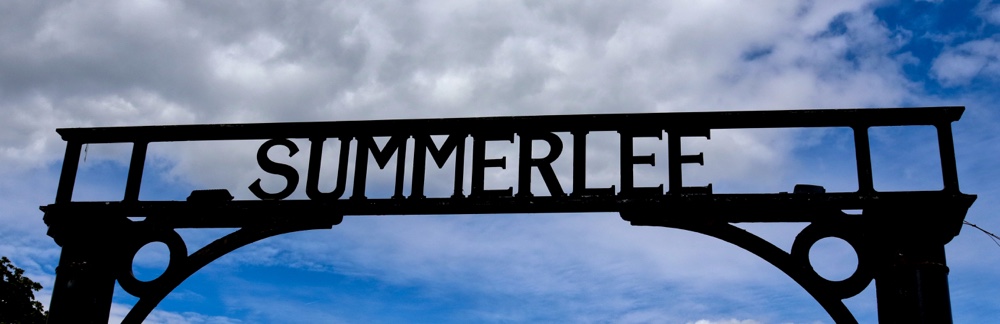
So you have the iron Vulcan barge in the post feature image and the the beautiful entrance way now for a few more…

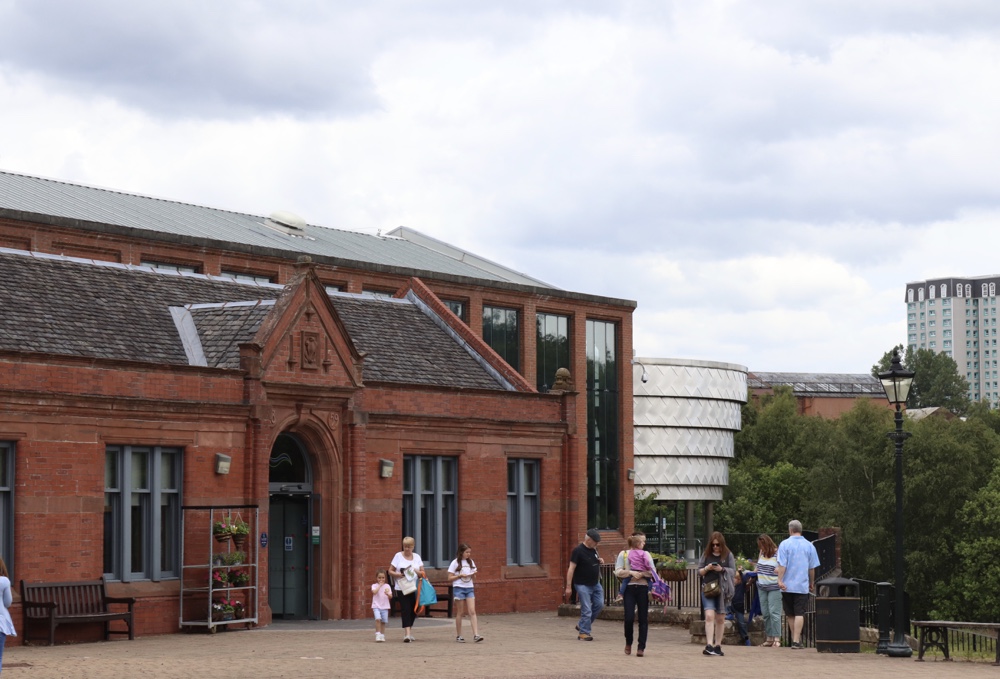
Main visitor centre entrance
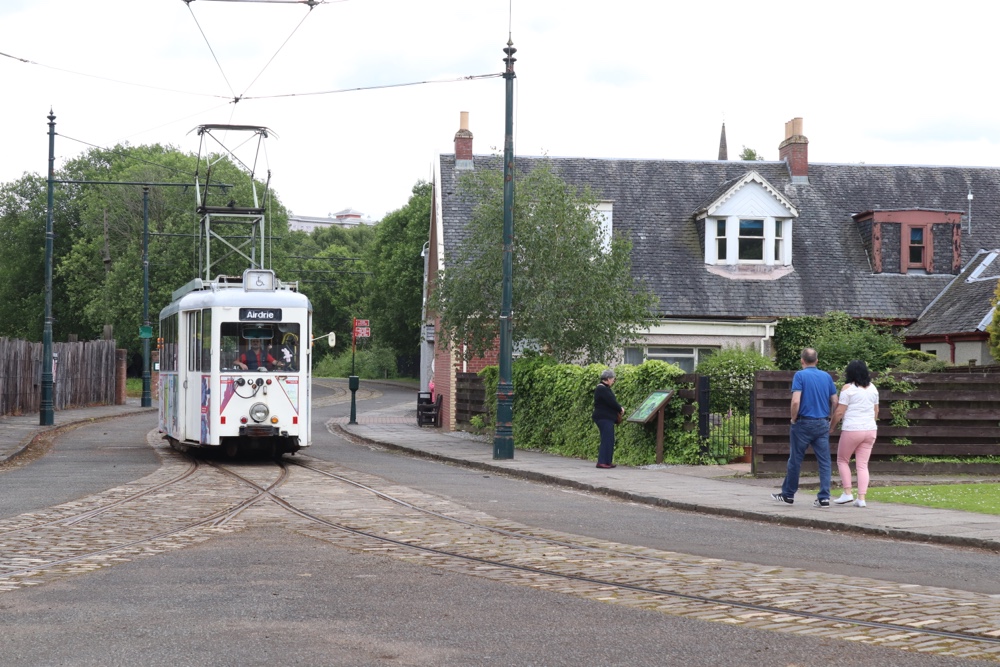
The tram leaving the miners’ row cottages
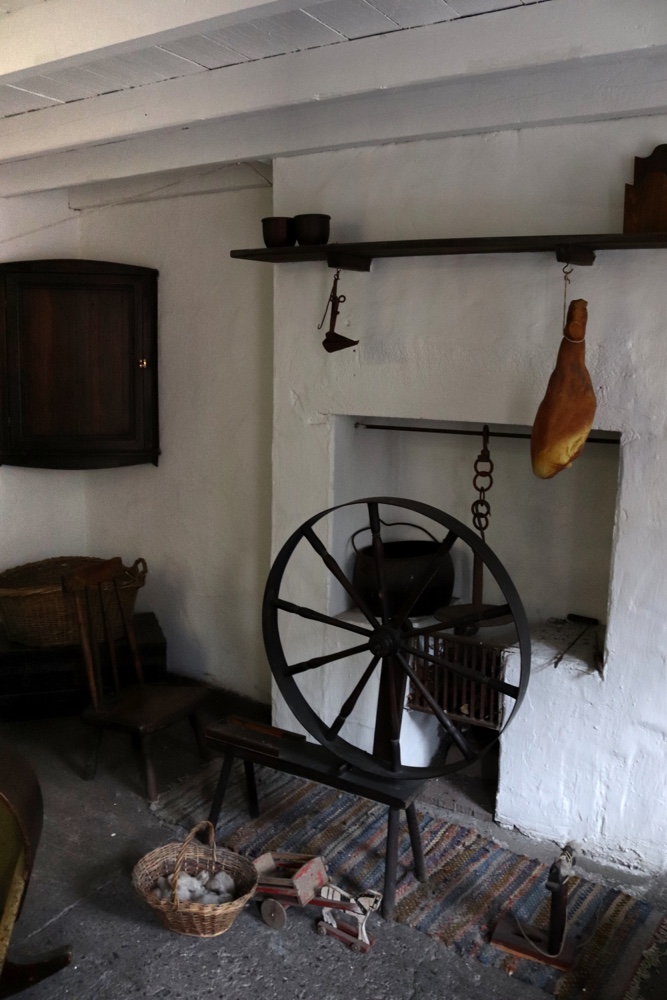
Inside of one of the miners’ row houses
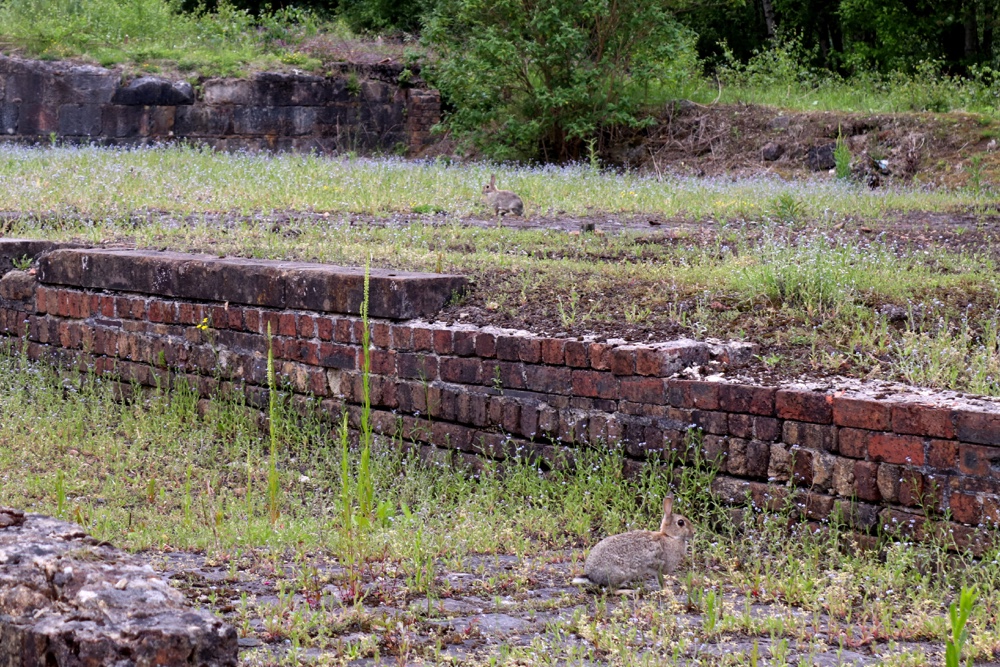
The old iron work foundations and their residents.