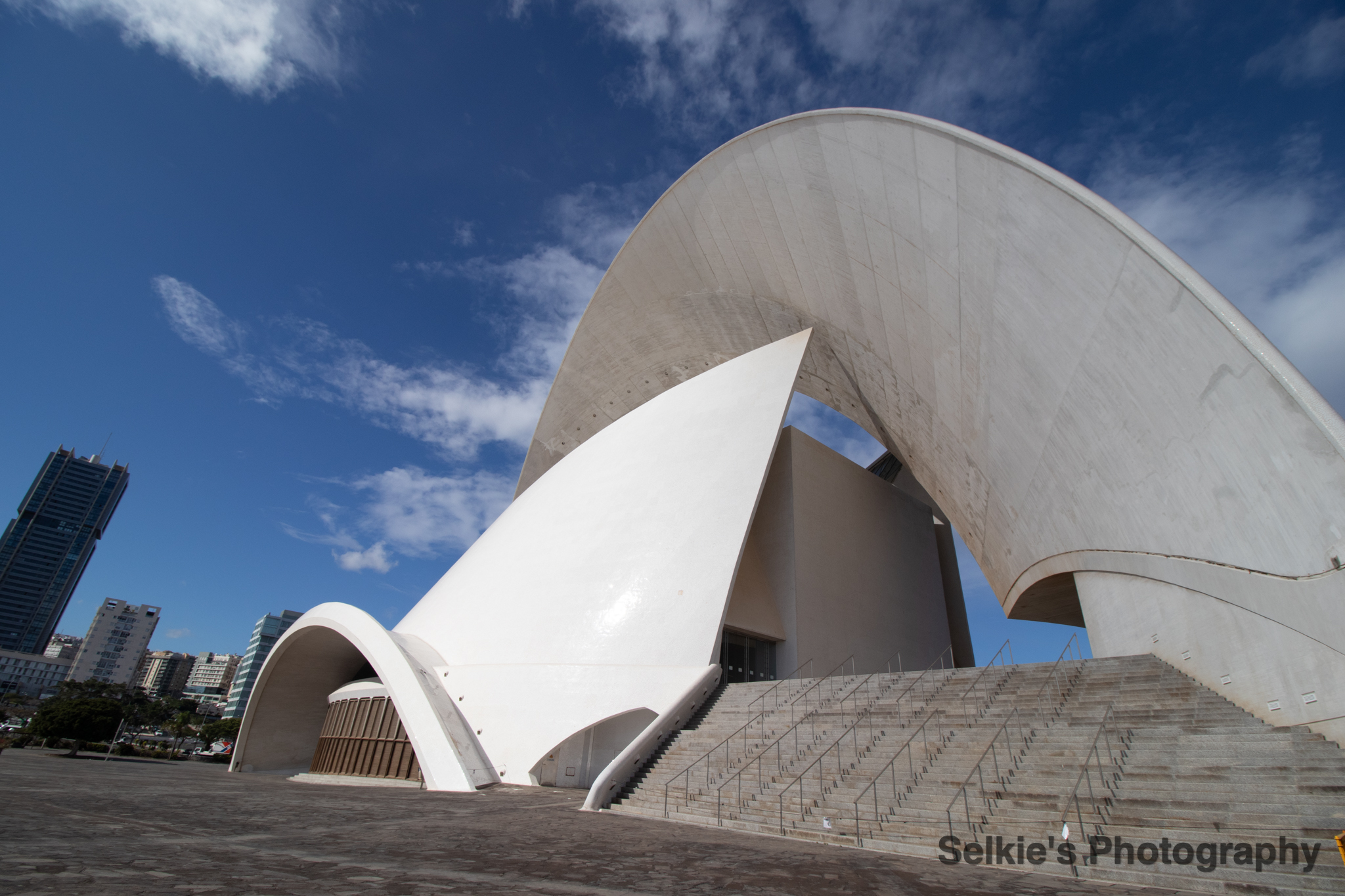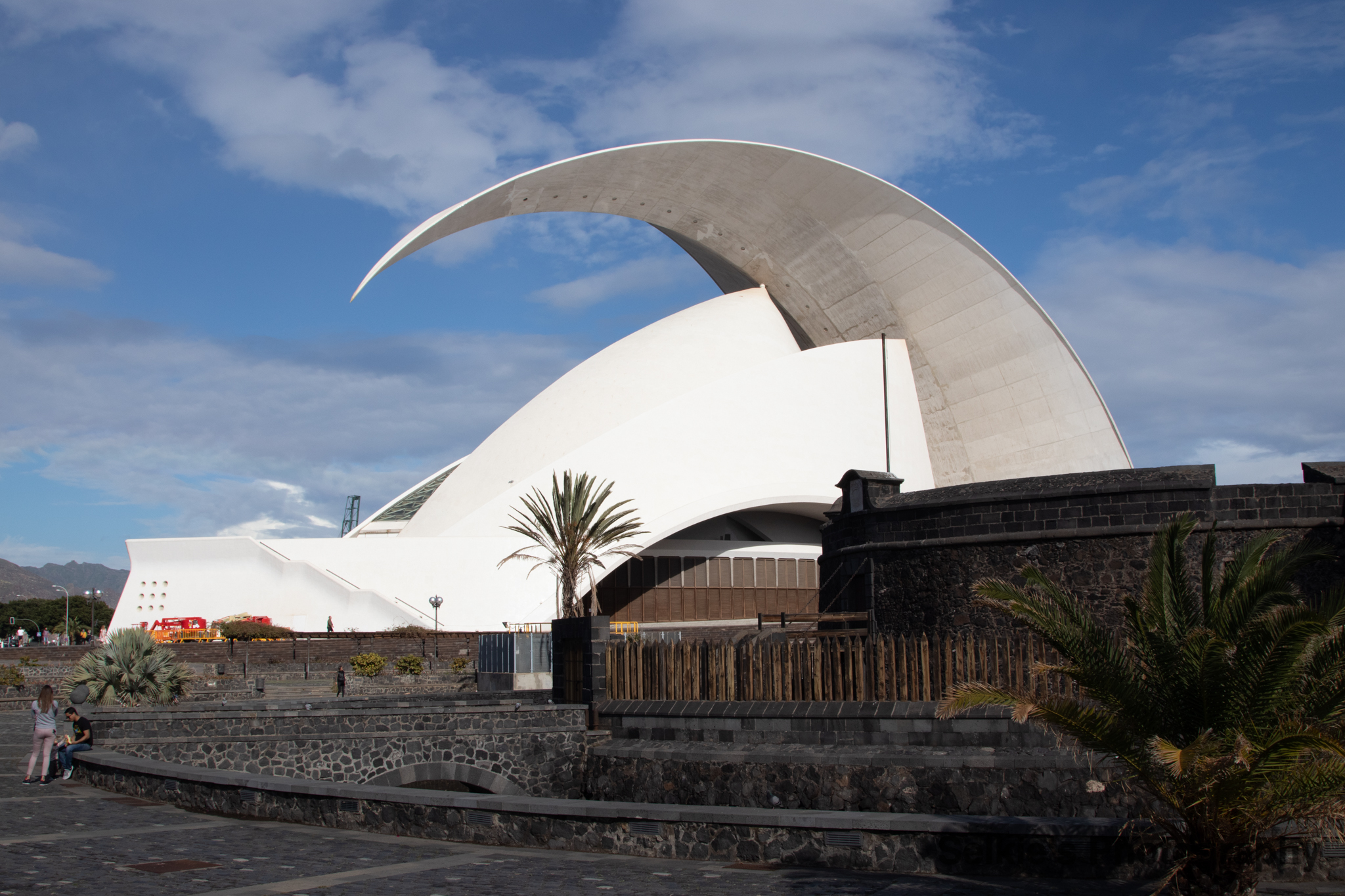
Auditorio de Tenerife

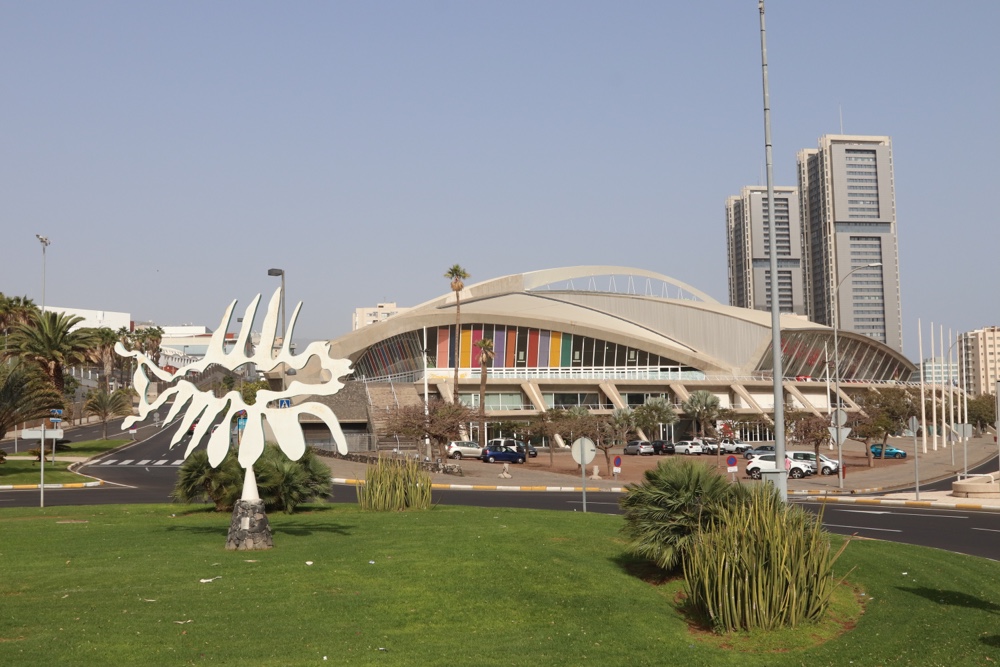
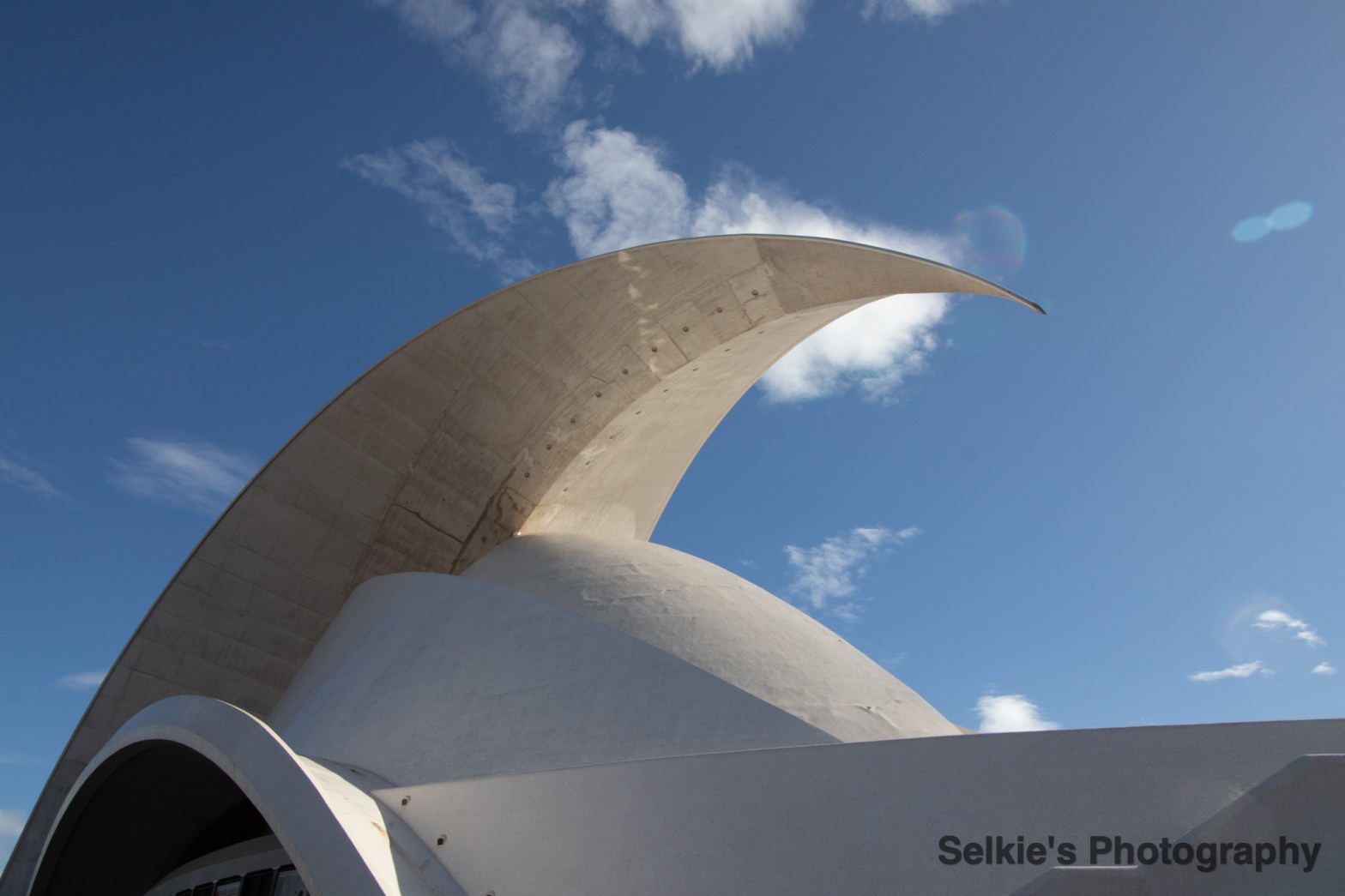
A genuine architectural highlight of Santa Cruz is sitting right next to the harbour and it’s kinda hard to miss.
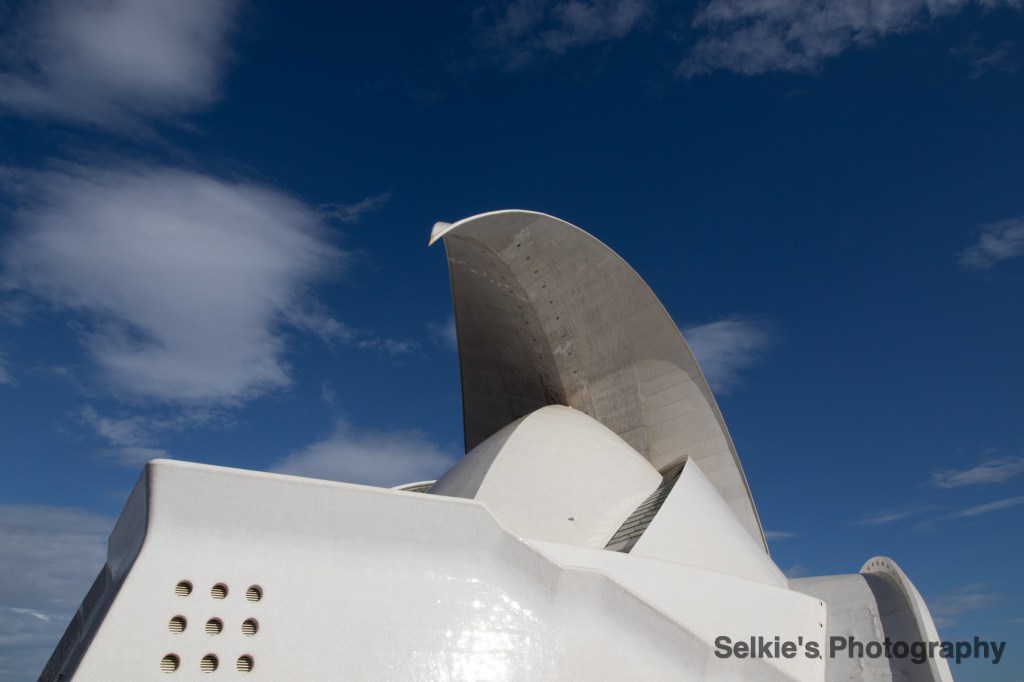
I mean how can you walk past this structural beauty. A few years back I was on a tour bus and was told that it was designed to look like a wave. Though when you stand where I was when I took that shot there was more of a ship’s bow look about this view. Never the less it is very much part of the expressionist movement. Such an unusual building, it was the star of a Dcotor Who episode. Series 12, episode 3, Orphan 55; in case anyone is interested. The unusual spa on a nuclear wasteland of planet earth. They also did some filming up around Mount Teide for that episode. The rocky volcanic landscape filling in for the wastelands.

Building took a very long time to come to fruition. The auditorium opened in 2003 but it was way back in 1970 when it was decided that one should be built. Going through a few architects too before Santiago Calatrava Valls had the final design and the budget had some issues, climbing from 30 million to 72 million Euros, but there’s many buildings around the world that have back stories like this (I’m looking at you, Scottish Parliament building….).
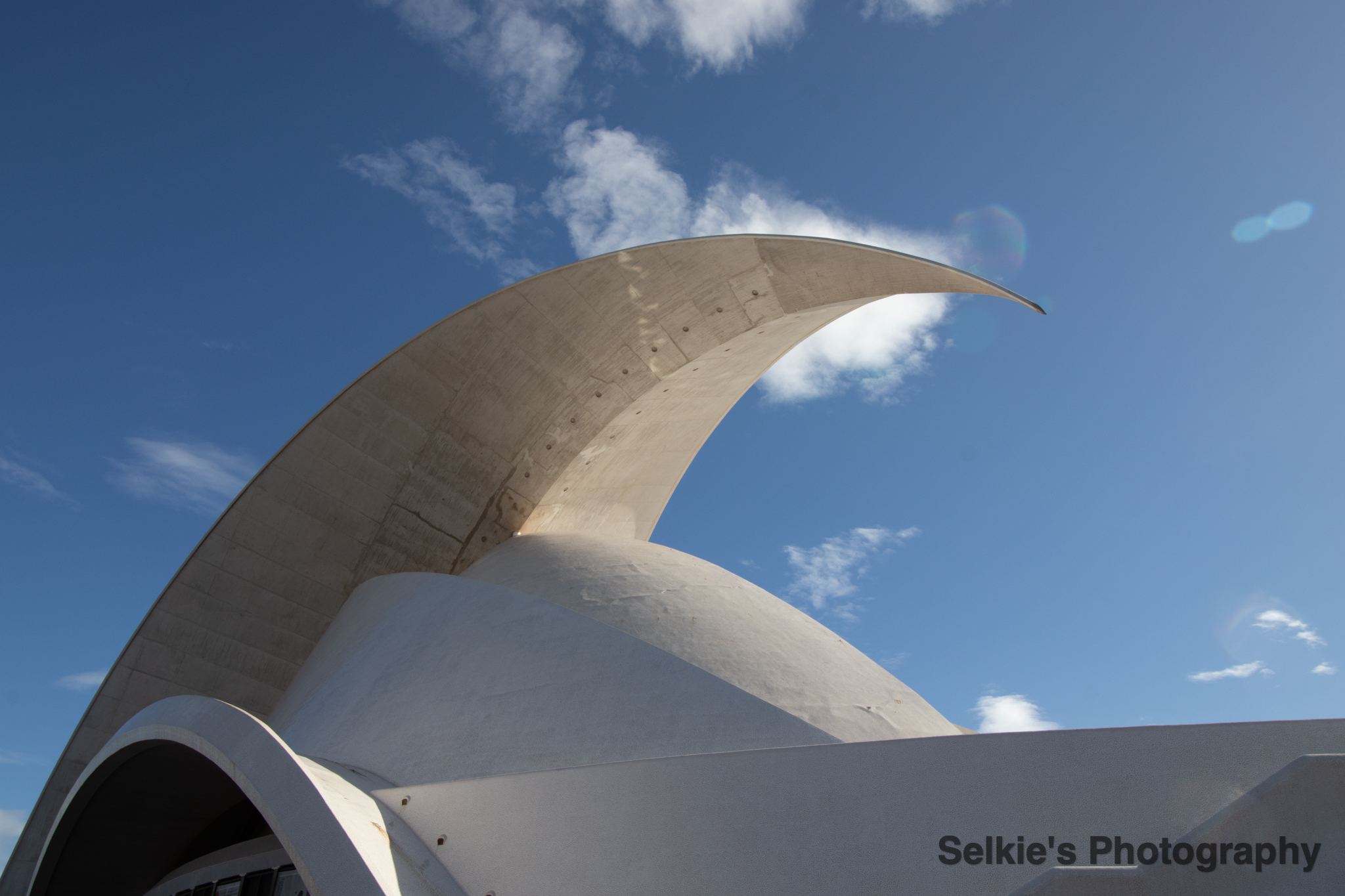
The sheen on the building is due to the fact that it is covered in tile fragments. It is smooth and cool to the touch, just in case you were wondering. It was lovely to get this close to it for a change. Rolling past on a tourist bus didn’t do it justice. I only managed to get a couple of shots from the bus the last time I was in Santa Cruz.
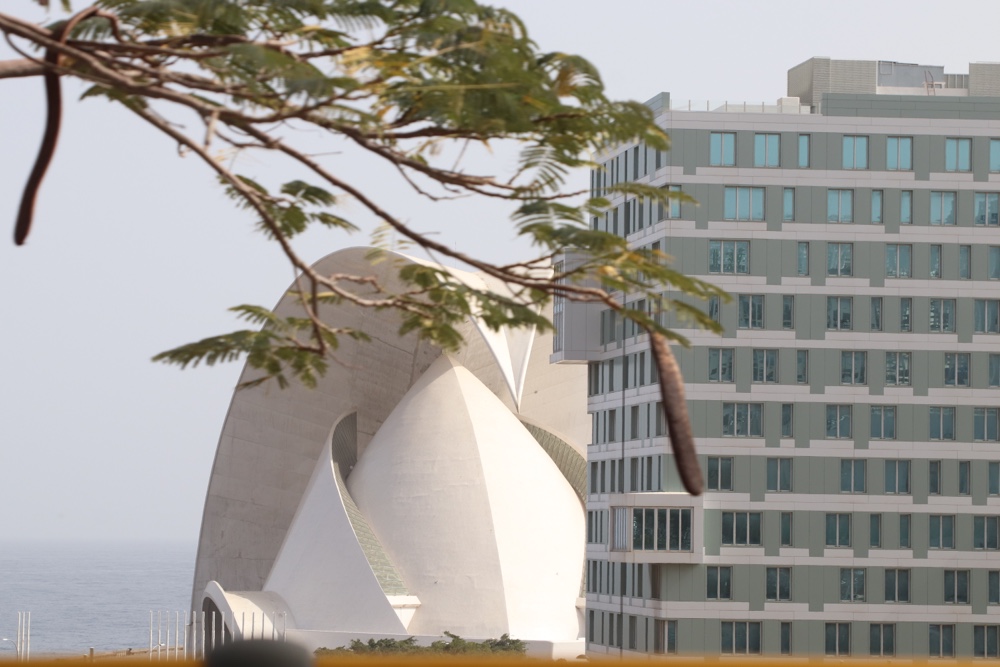
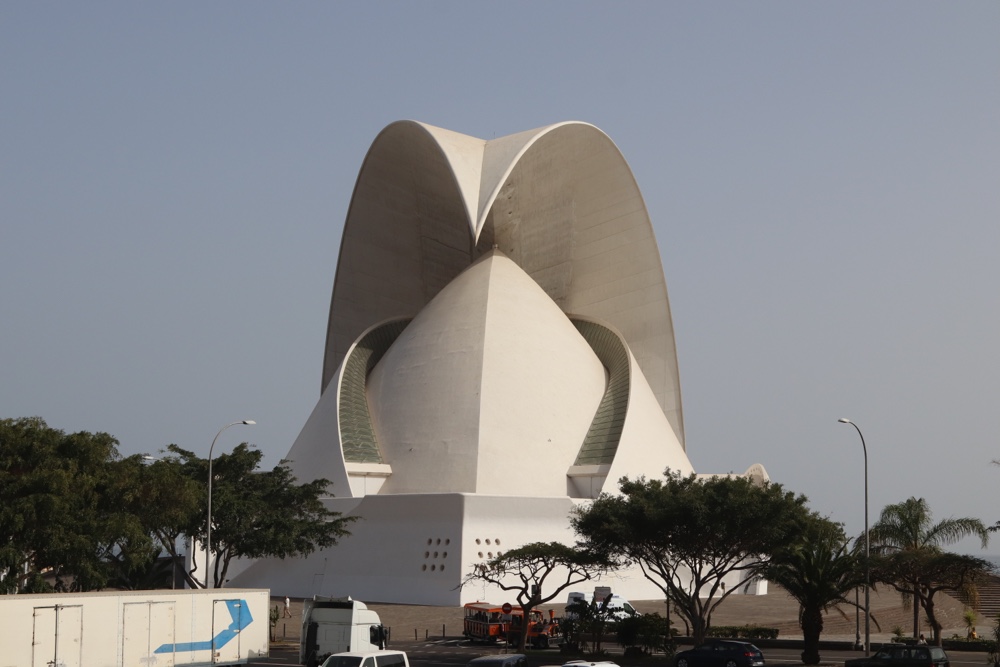
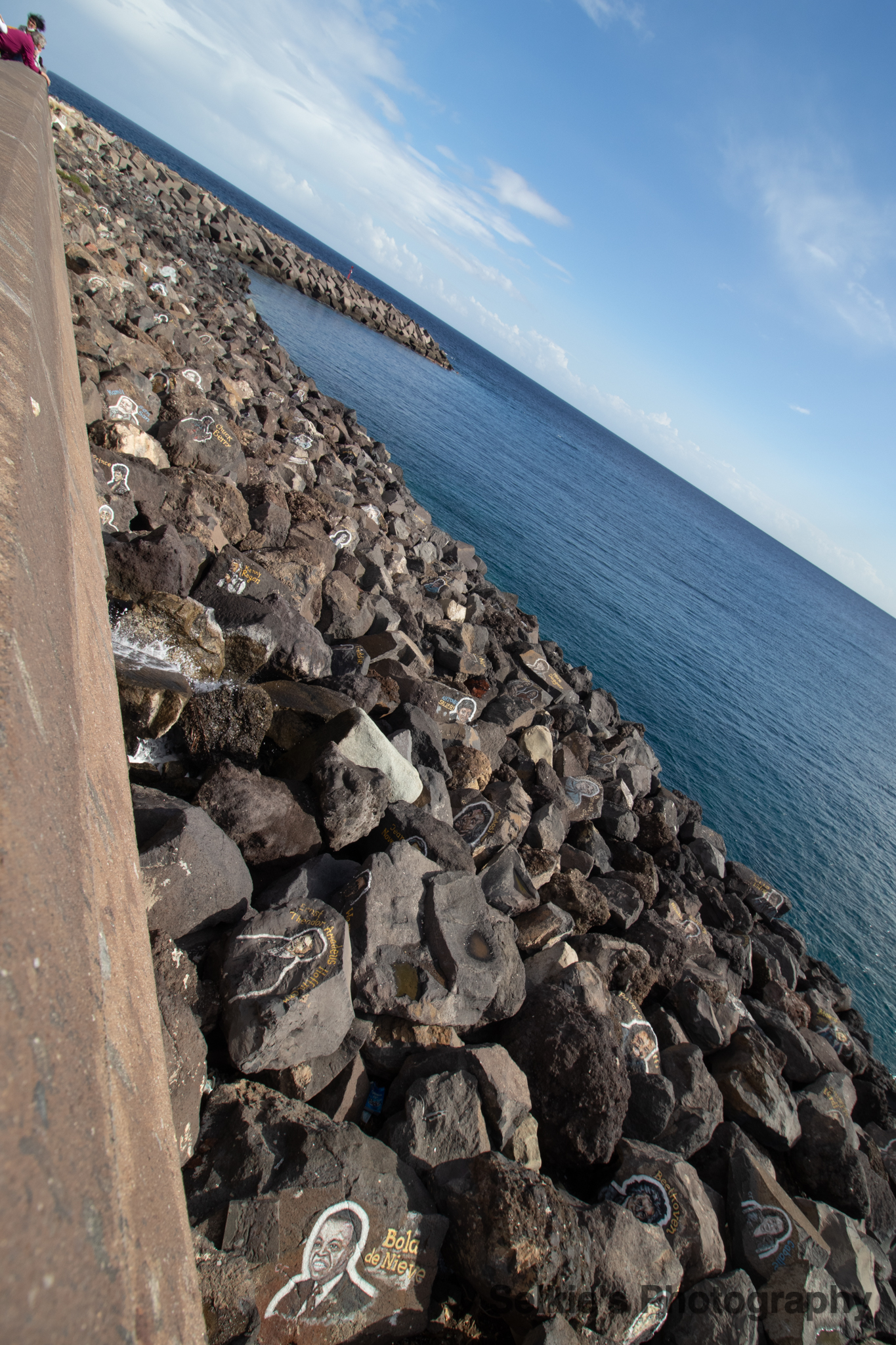
It does however give a sense of scale to this tidal wave of a building and it leaves it’s own mark on the skyline. Here’s a fun little thing if you do go up to the building. Walk around towards the back and look down to where the sea crashes against the rocks… Except those rocks aren’t just changed by the sea but by an artist who climbs out there and paints the portraits of famous musicians.
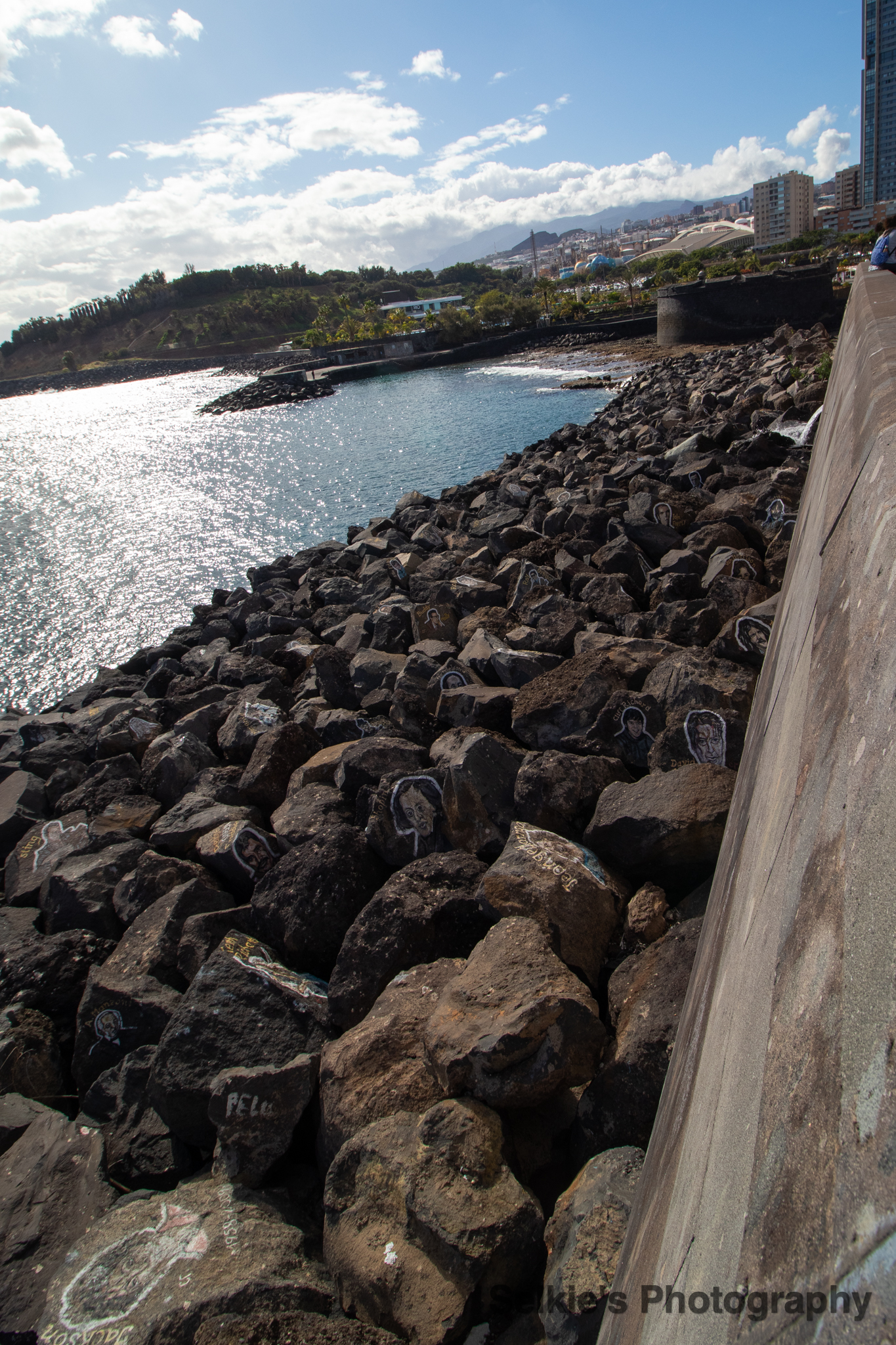
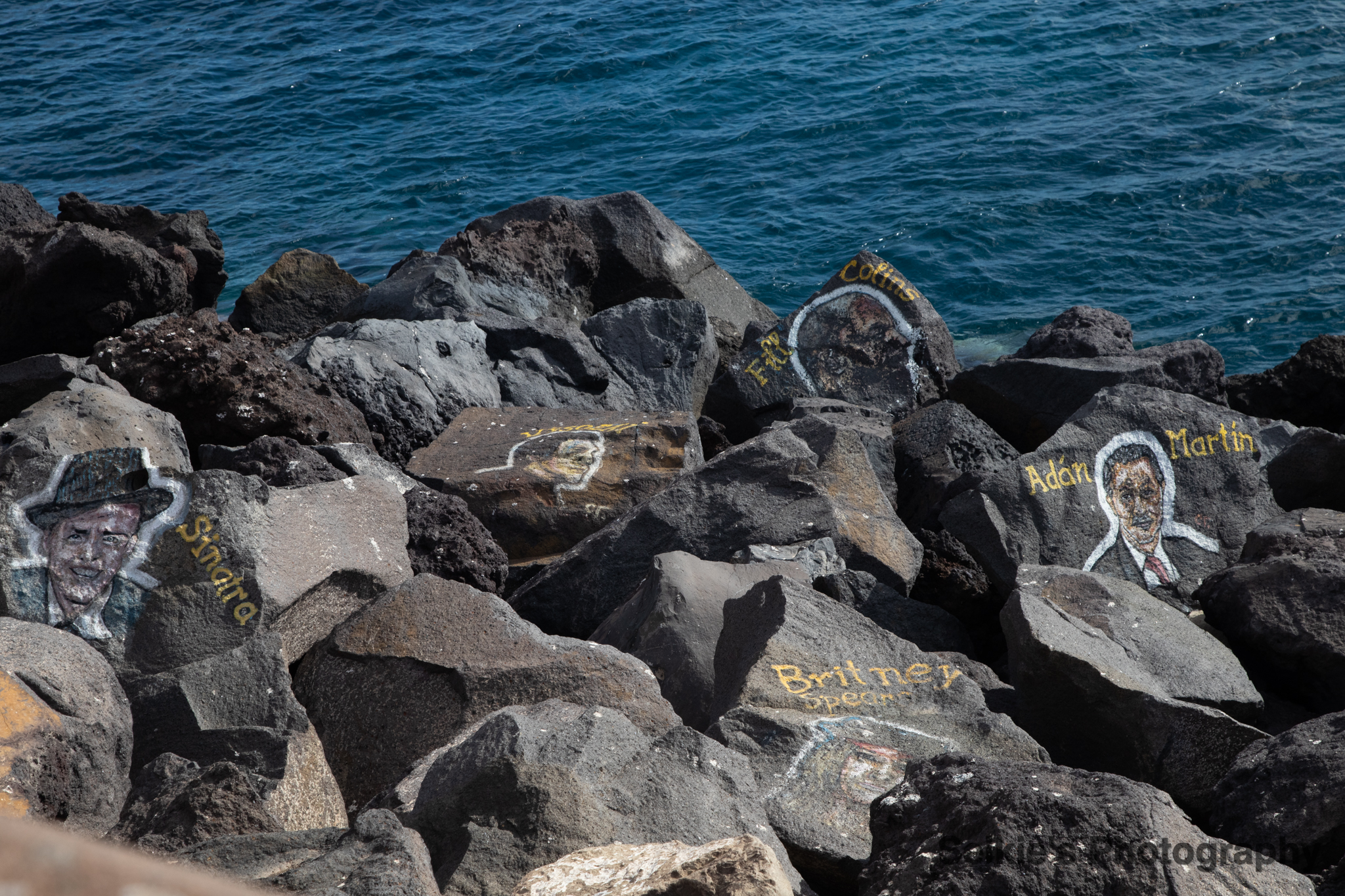
It’s not often you see Mozart, Sinatra and Britney Spiers so close together in a gallery. I do feel slightly sorry for “Fill” Collins though.
Japanese Garden

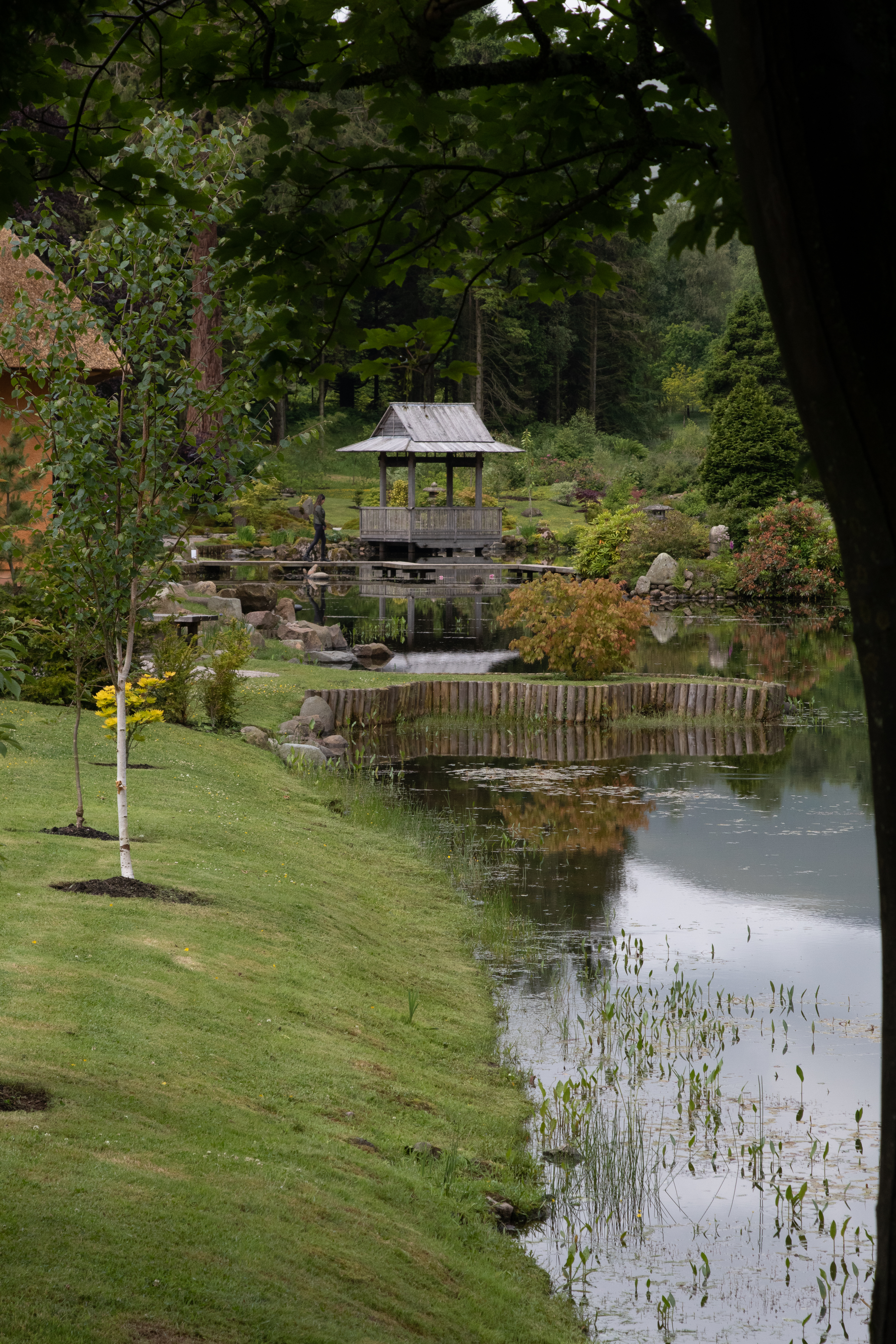
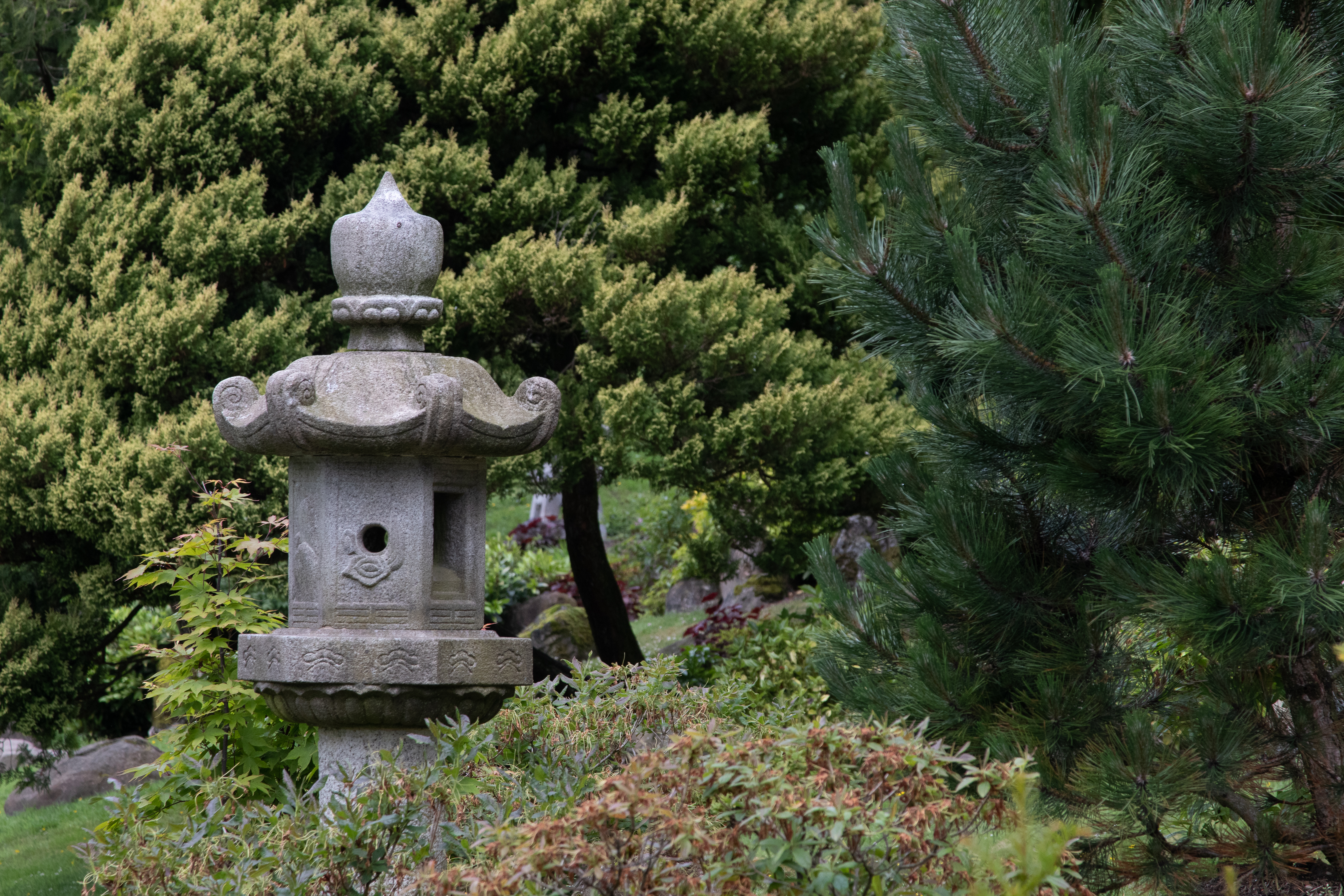
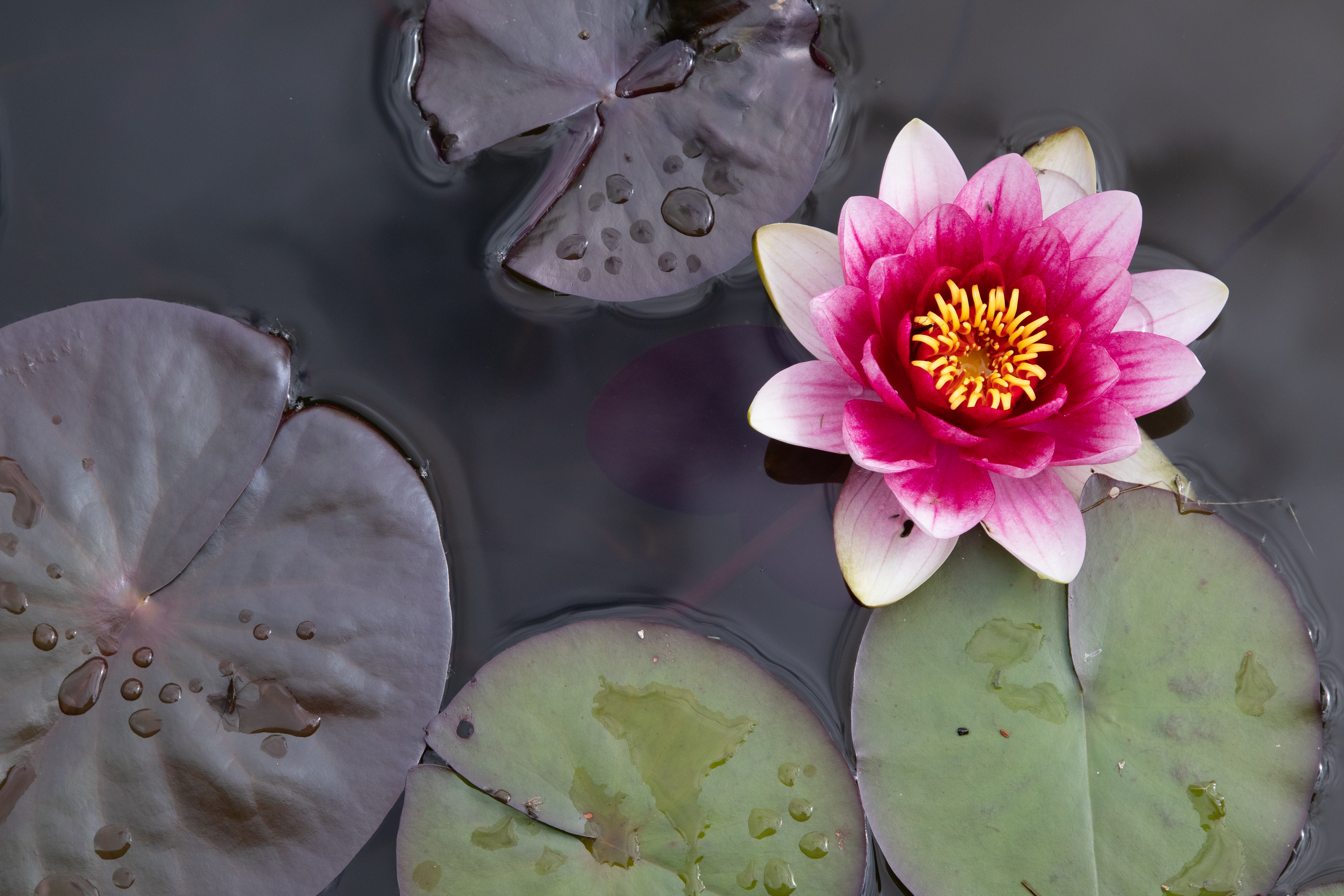
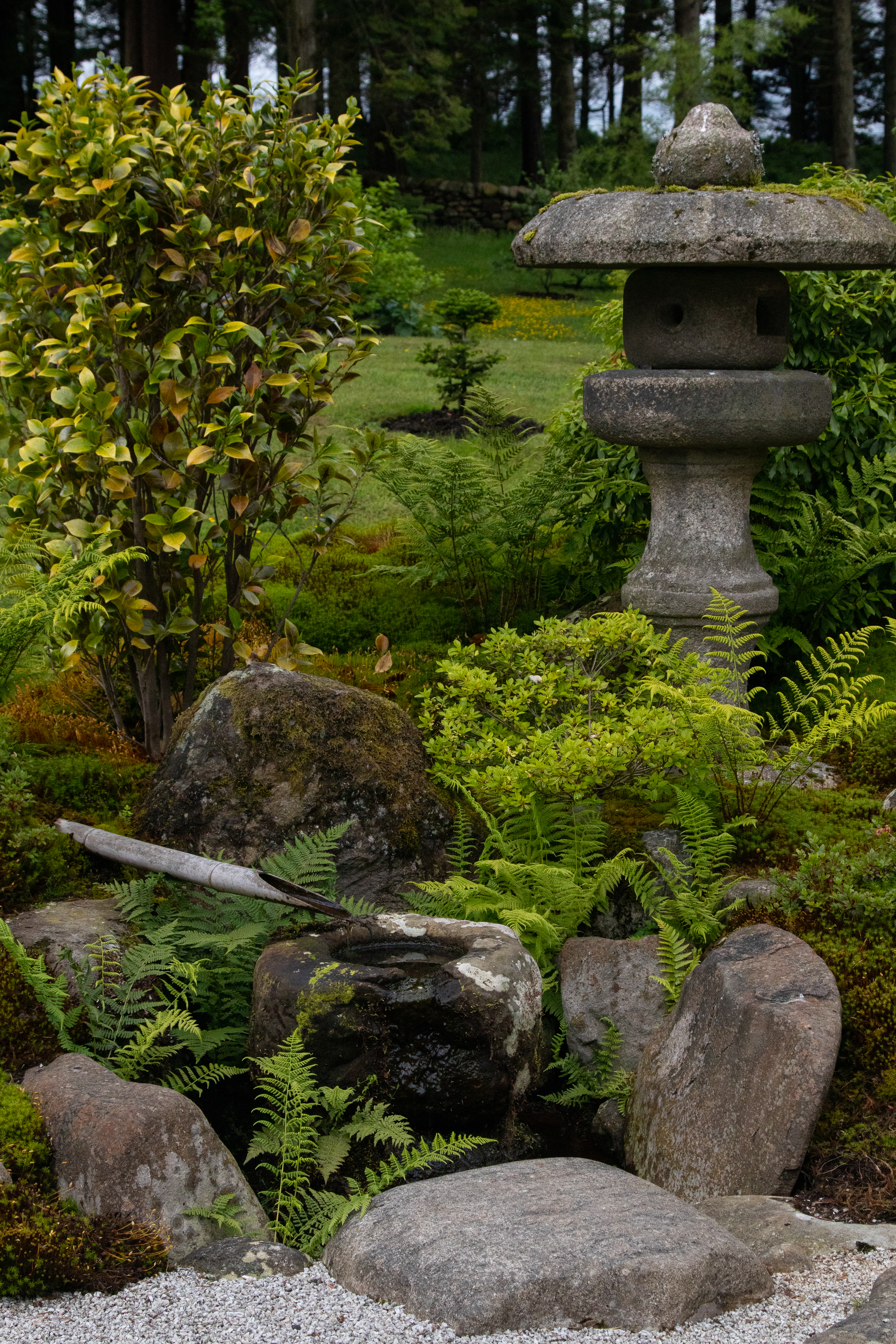
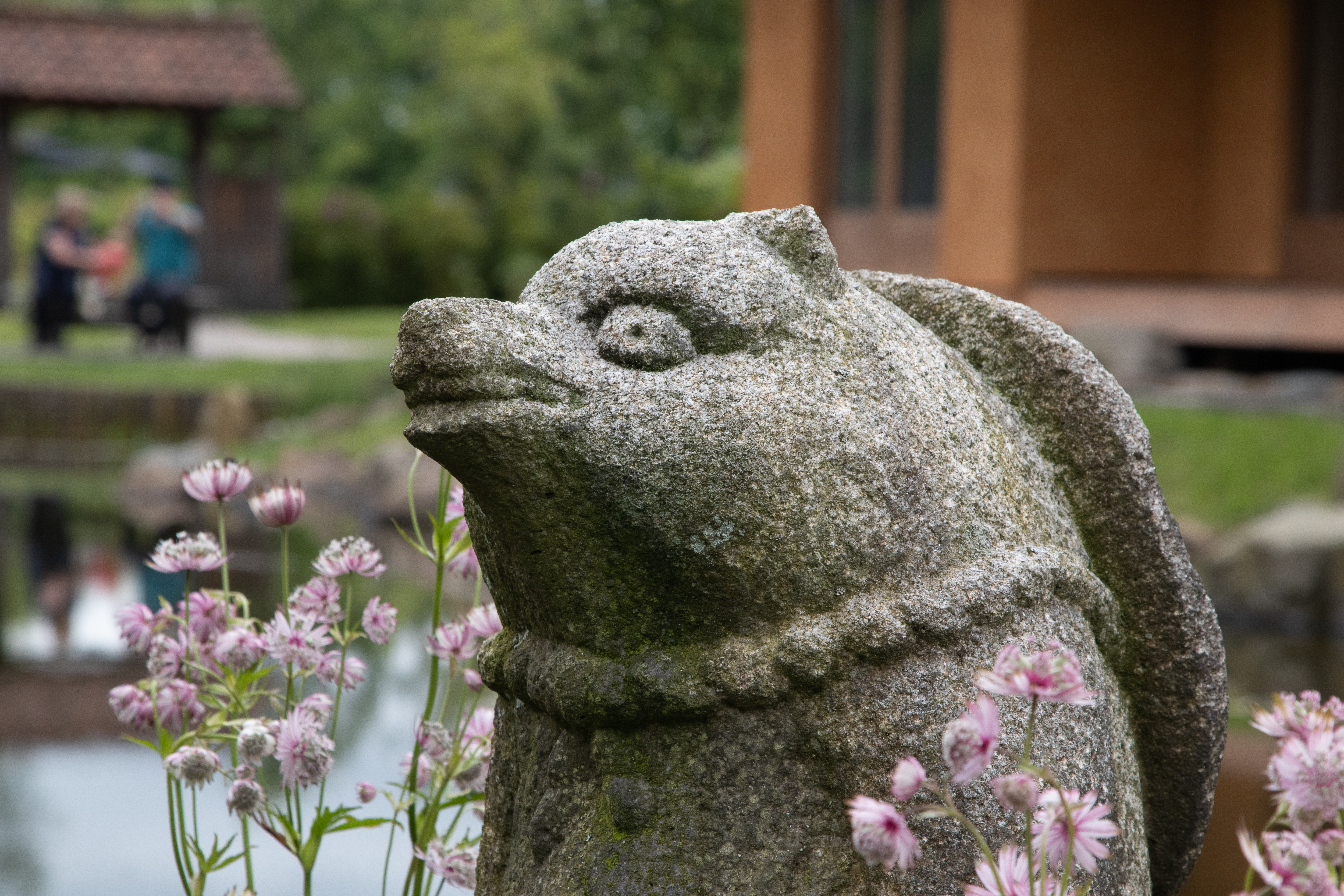
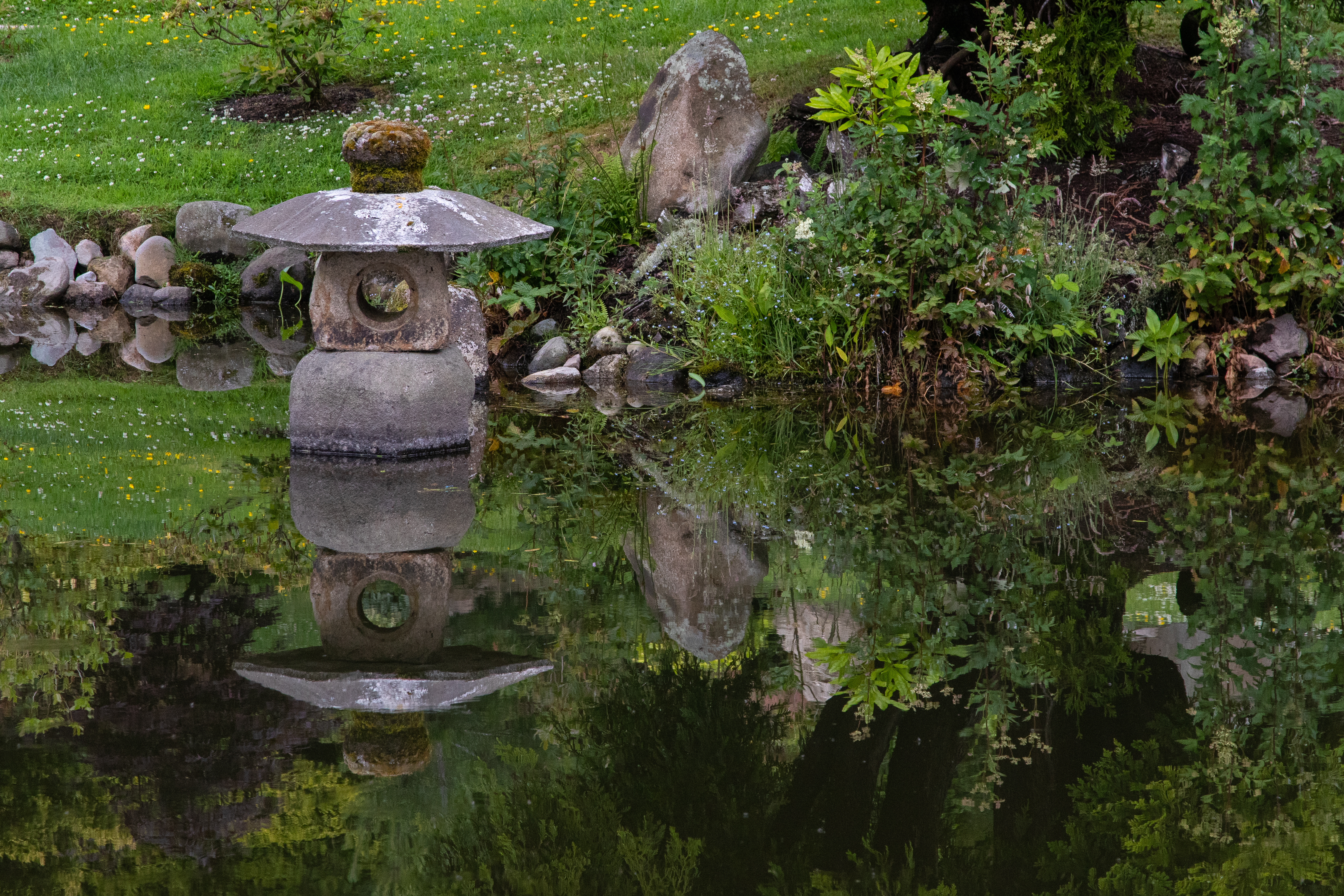
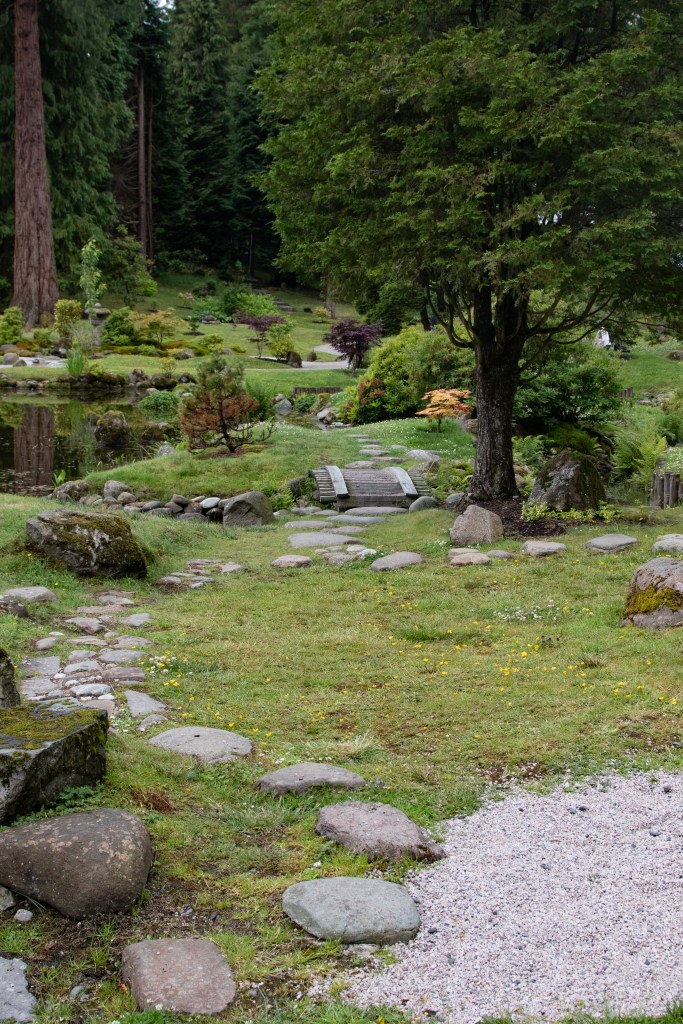
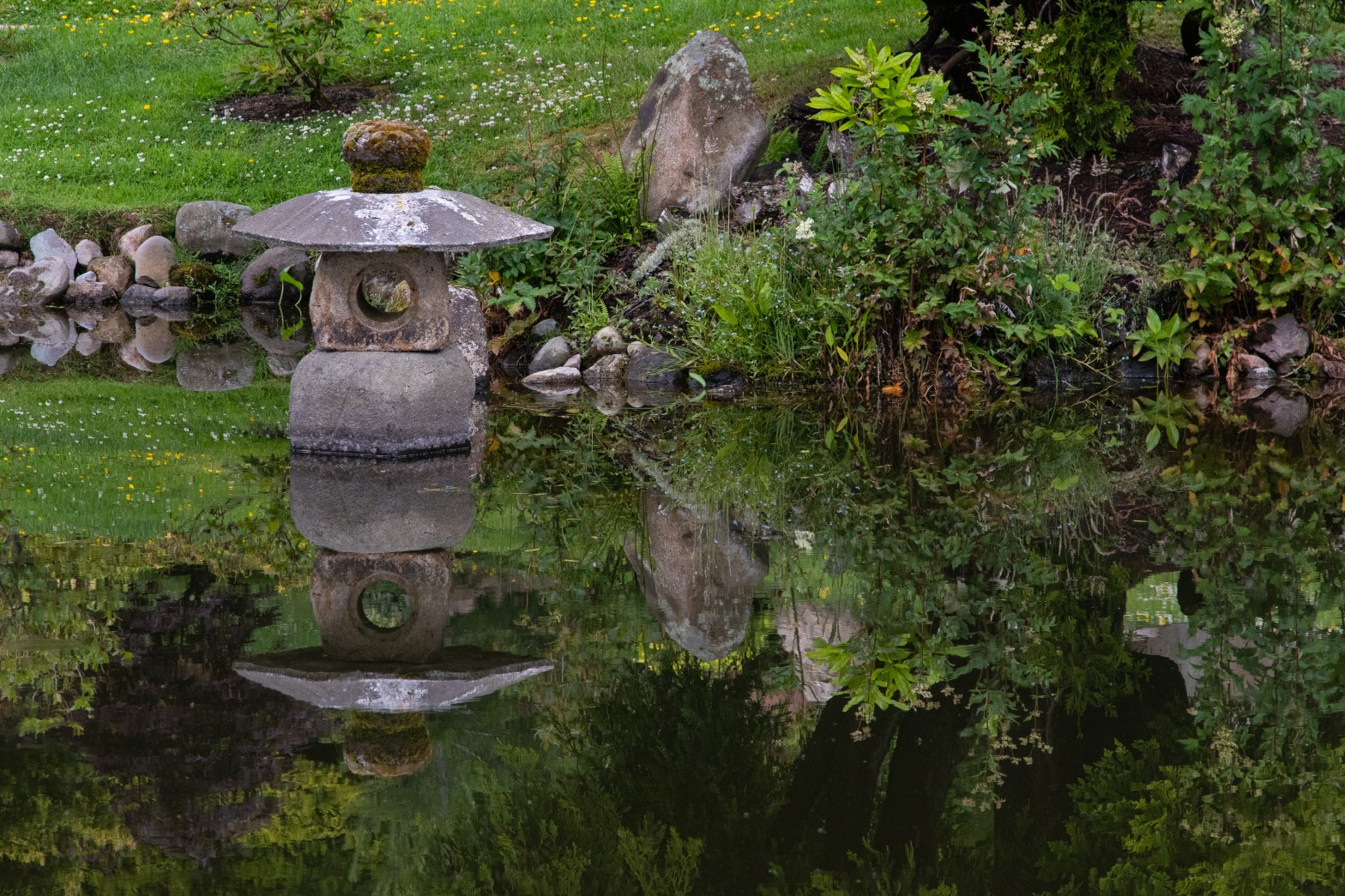
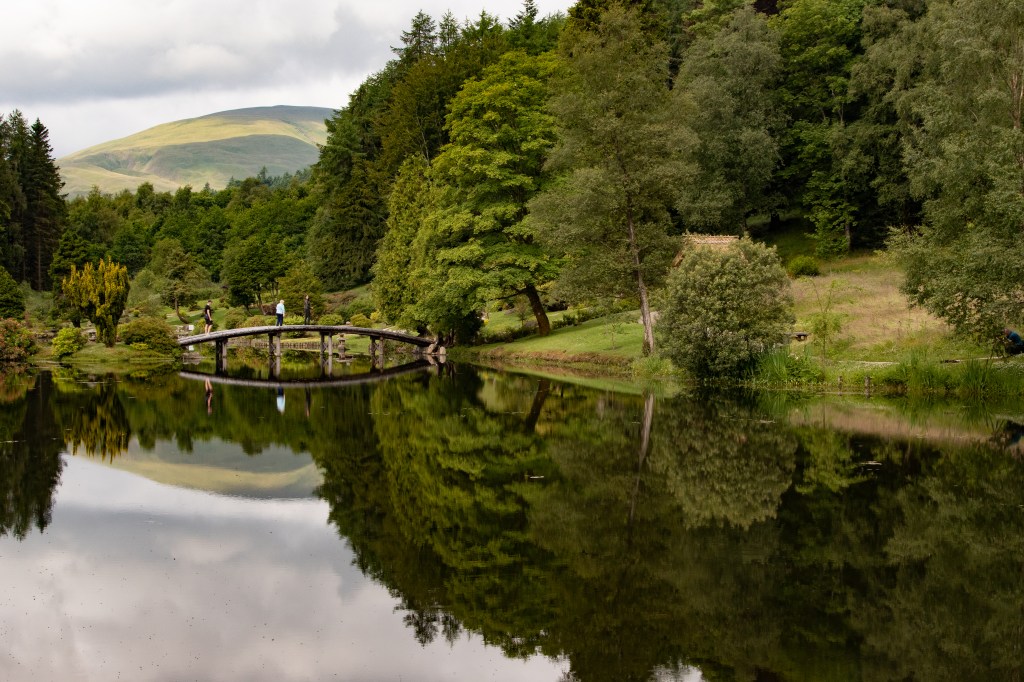
Outside of Dollar in Clackmannanshire there’s a Japanese garden that is over one hundred years old. It’s open to the public and is amazingly tranquil and beautiful.
Referred to as “the most important Japanese garden in the Western world” (Prof. Suzuki) She Raku En, or the place of pleasure and delight, was the original idea of Ella Christie back in 1908. She was an unusual woman for her time as she travelled extensively throughout Asia during her life. She brought in Taki Handa, another fabulous woman ahead of her time, to design the garden. It was a complicated history after that as it was destroyed in 1963 and the main home of the Christies was demolished, however the garden has been re-established since then. If you want to see more of the history and how the garden has developed I suggest you have a look at their website – https://cowden-garden.myshopify.com

Each of the elements in the garden have meaning and it’s a genuinely fascinating place to spend a day. They also have a lovely cafe onsite too (because we know that’s important after shooting).

Return to the Murals

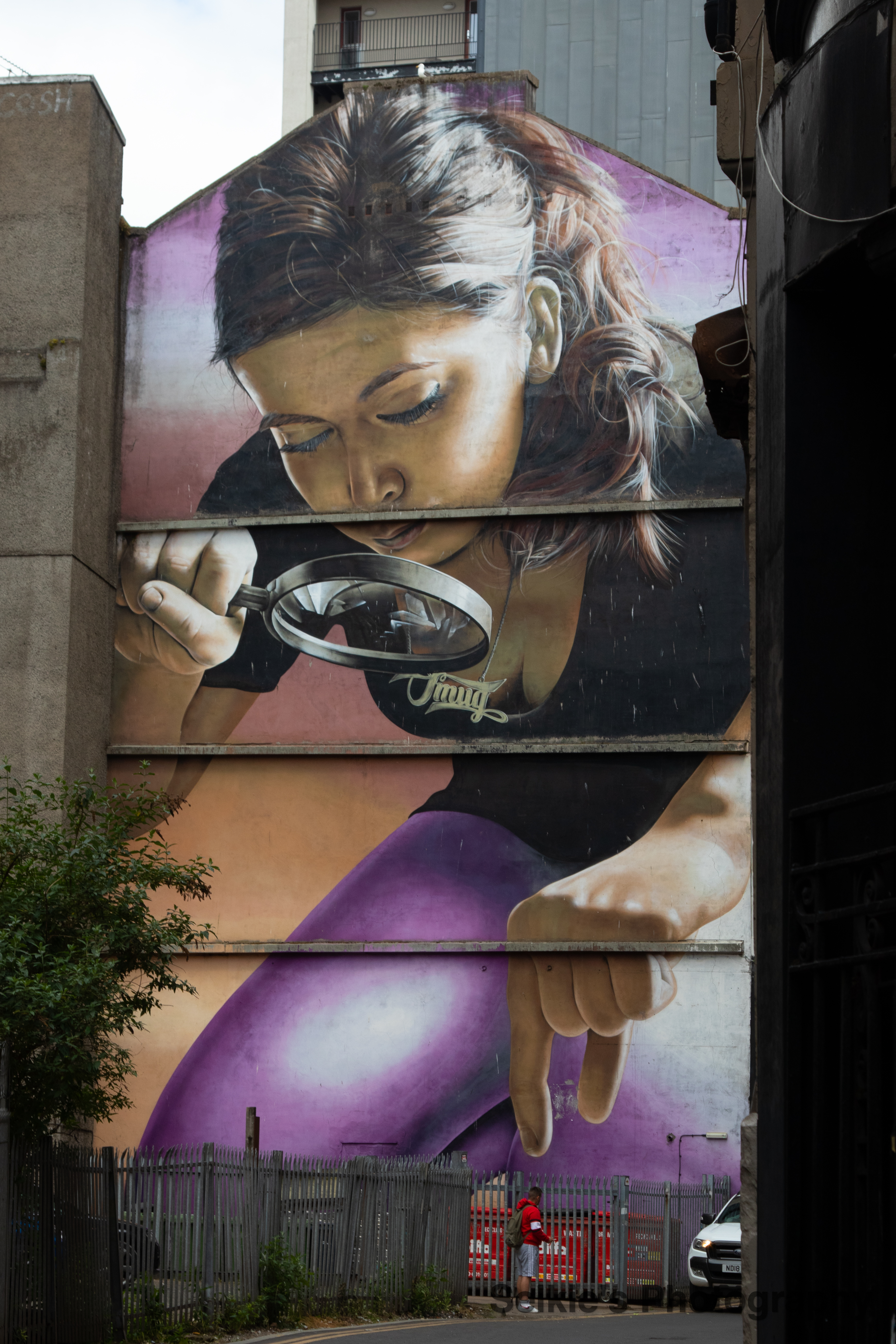
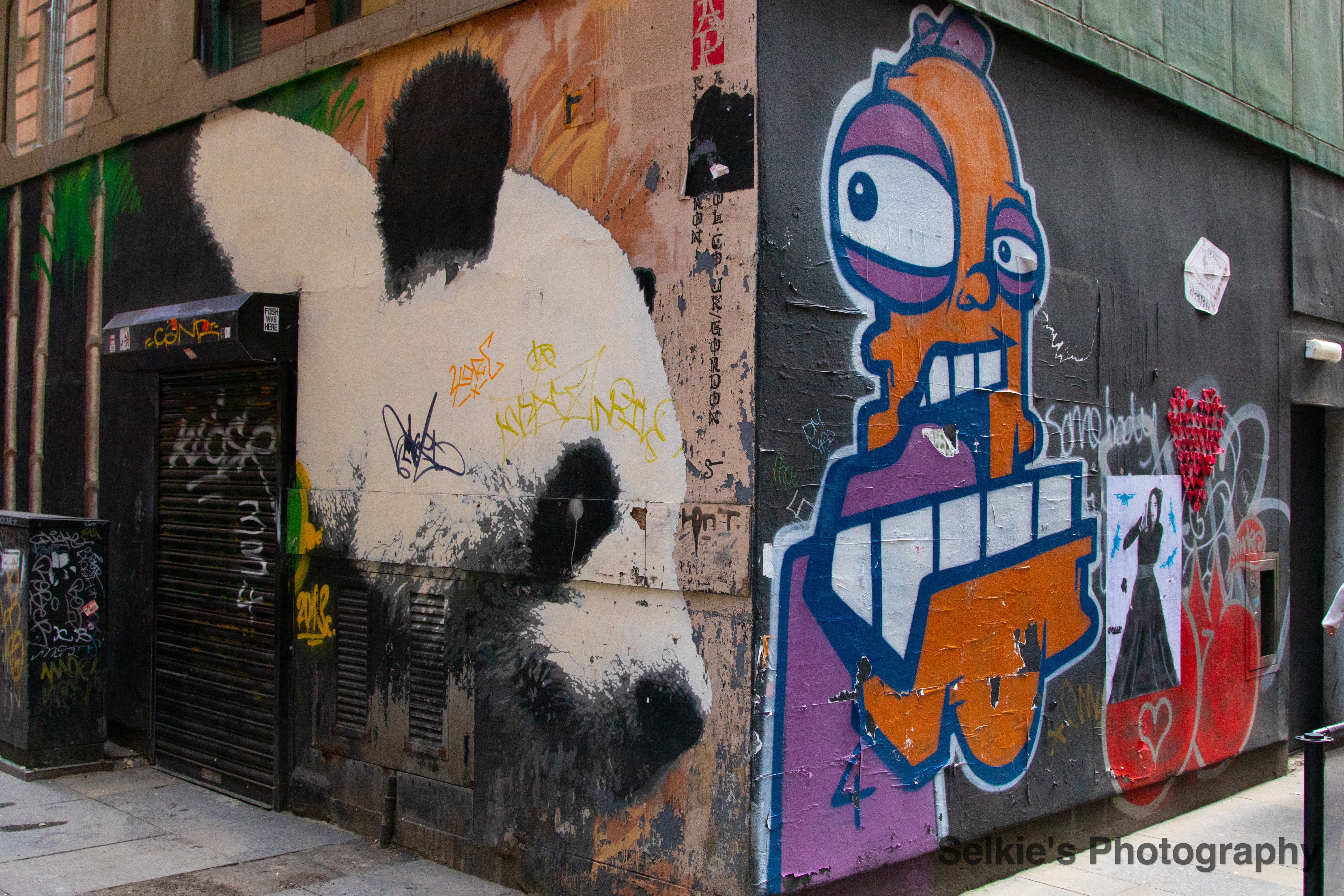
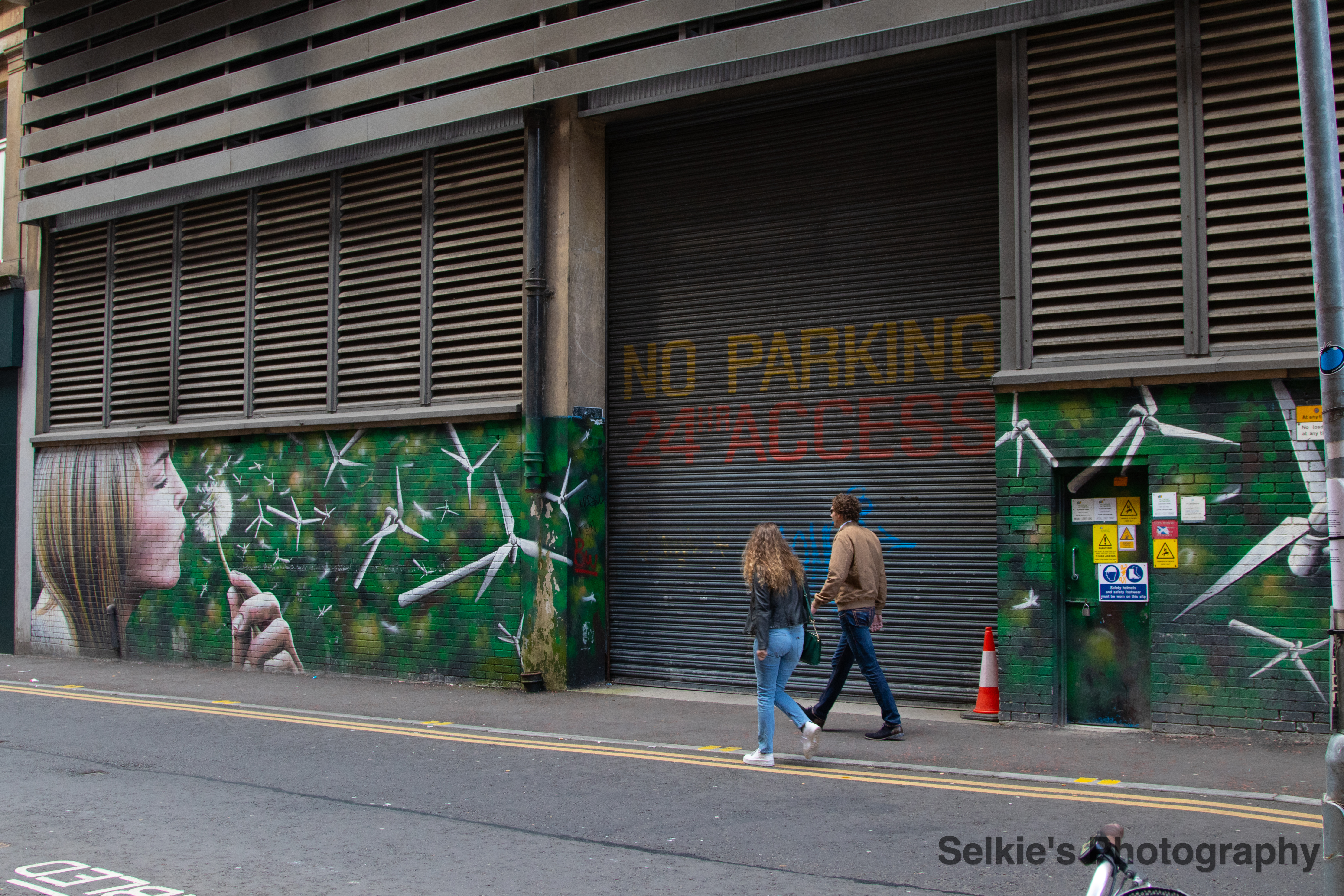
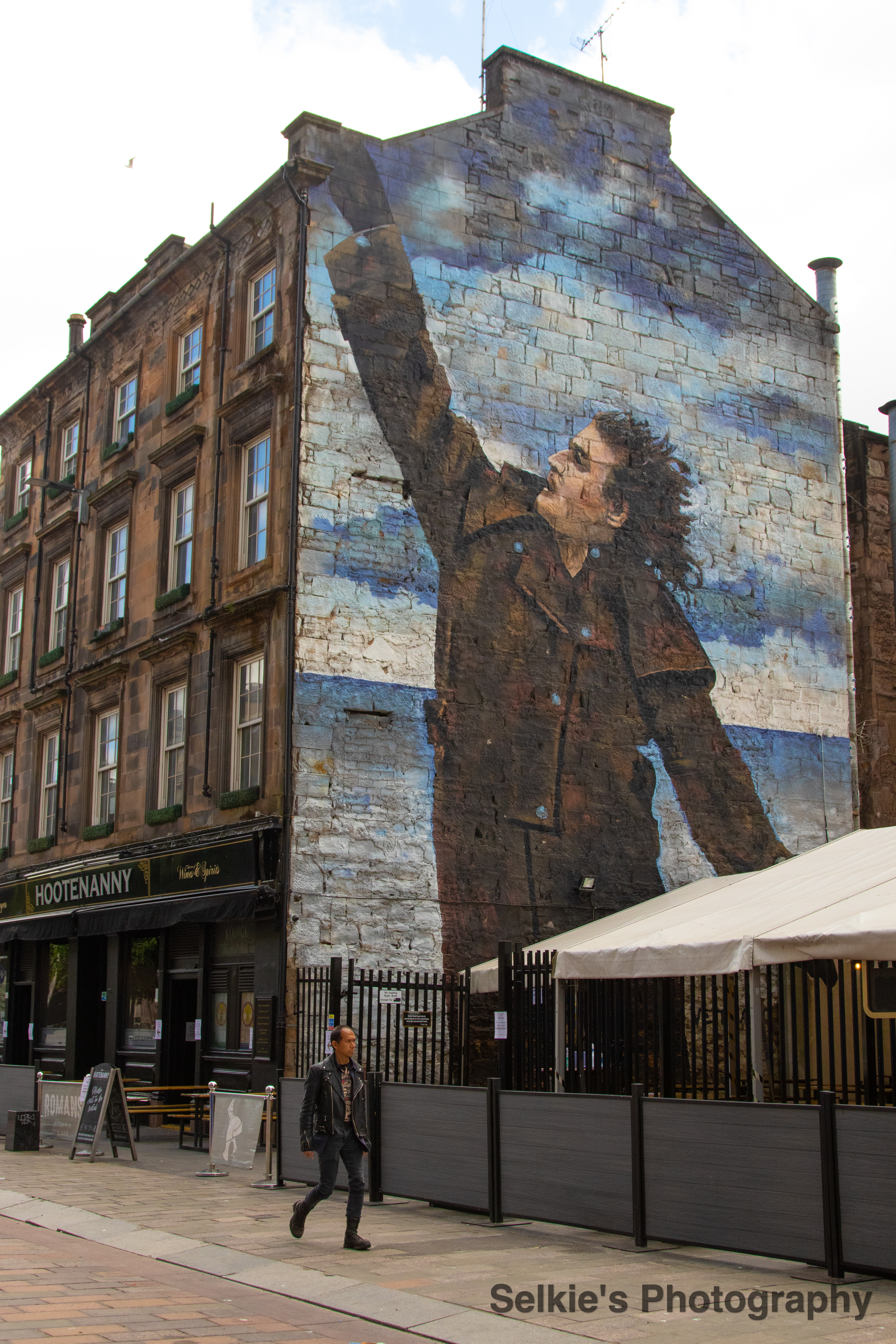
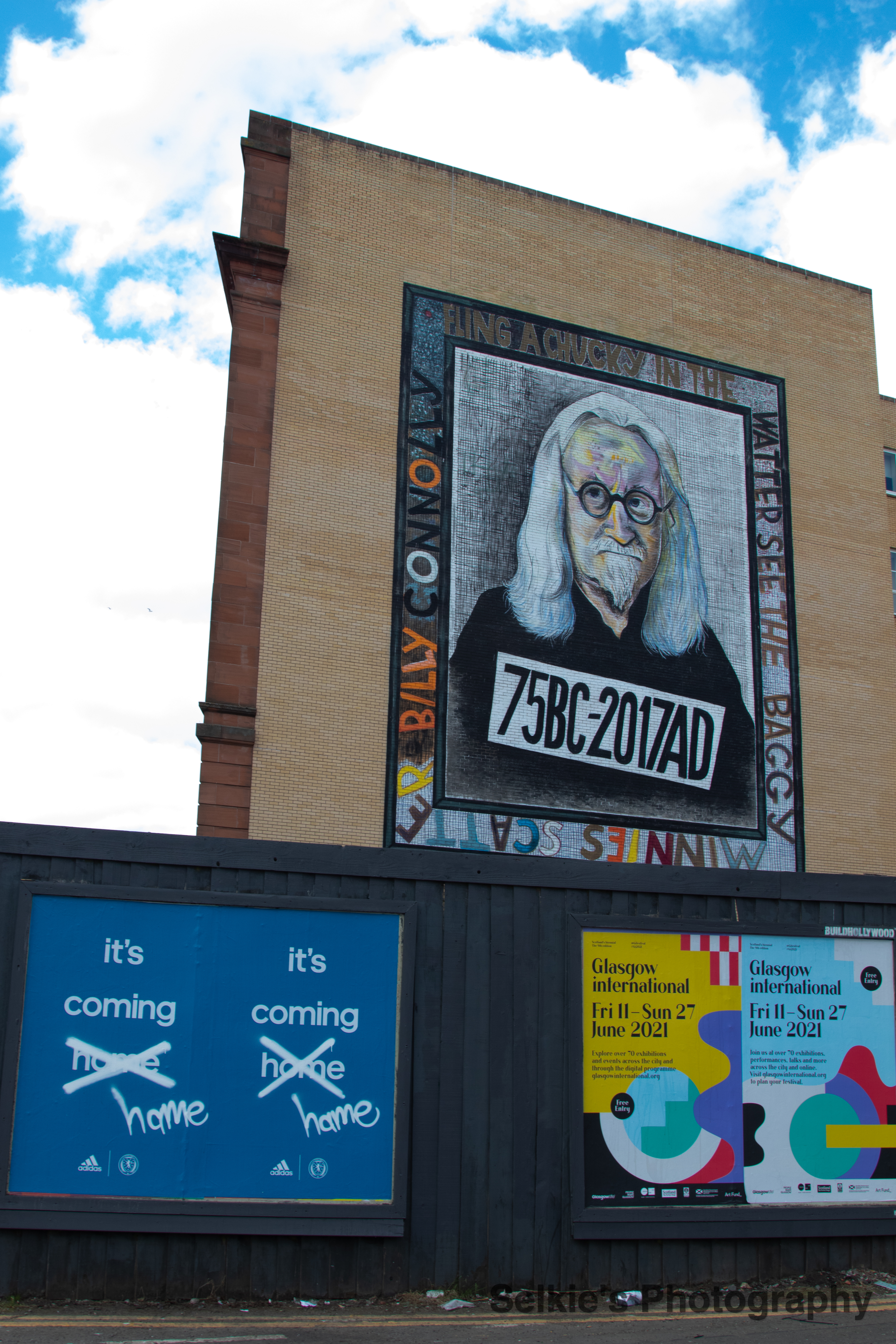
So ages ago, OK it was 2 years ago, I went out and found some of the Glasgow murals. I’ll admit that they can be hard to shoot to be honest. One of my lecturers recently pointed out that you are taking a photo of art and it’s not always successful, because art is beautiful in its own right. However it’s always a good day out when I go shooting with the Sunday crowd.

I try to take something a little different but it’s tricky. These murals have probably been snapped by 50% of those walking by and plenty go looking for them and there’s even a guide website now. None of this will stop me going after a full set and they do keep adding to them. The Billy Connolly ones are pretty recent additions to the collection.

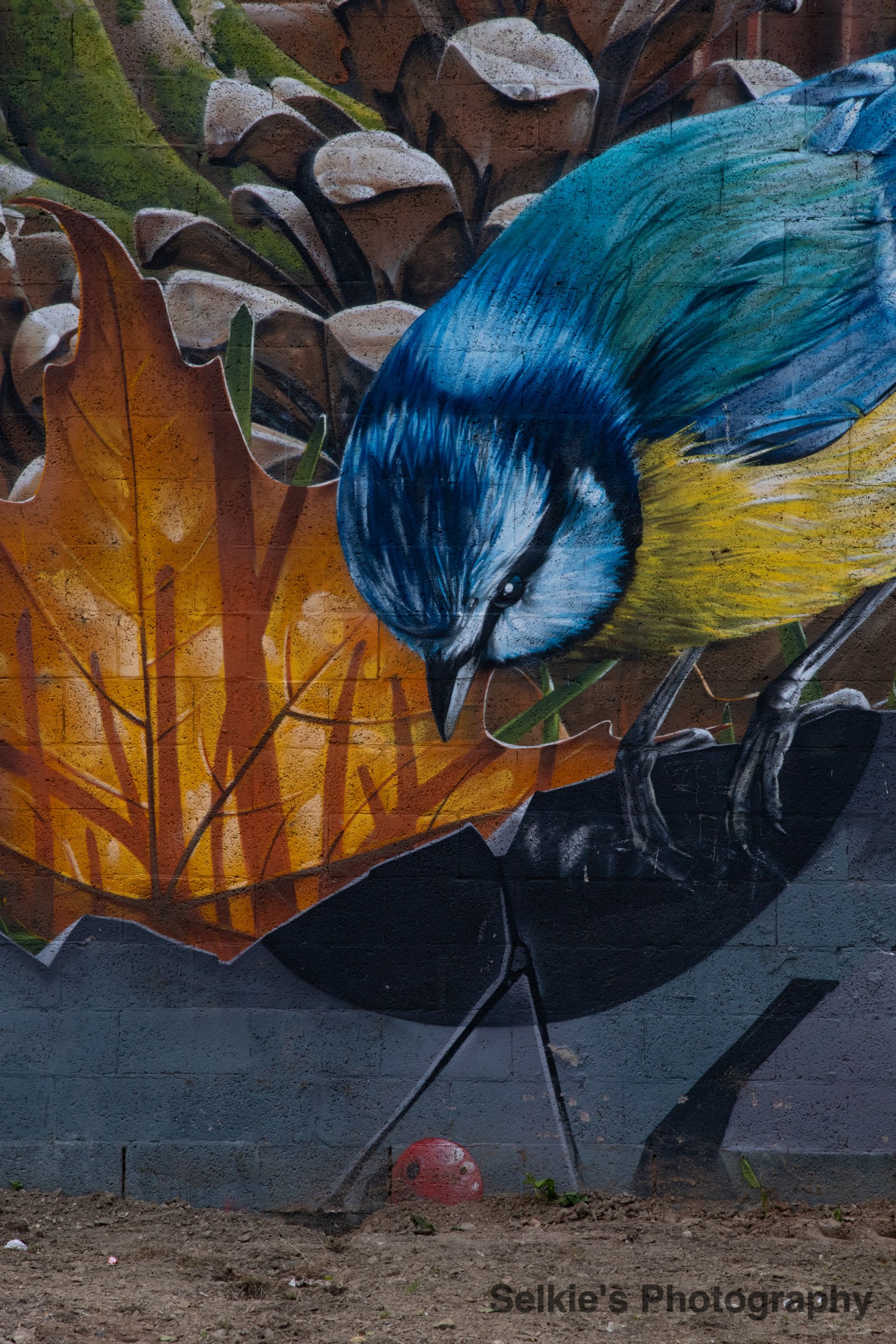
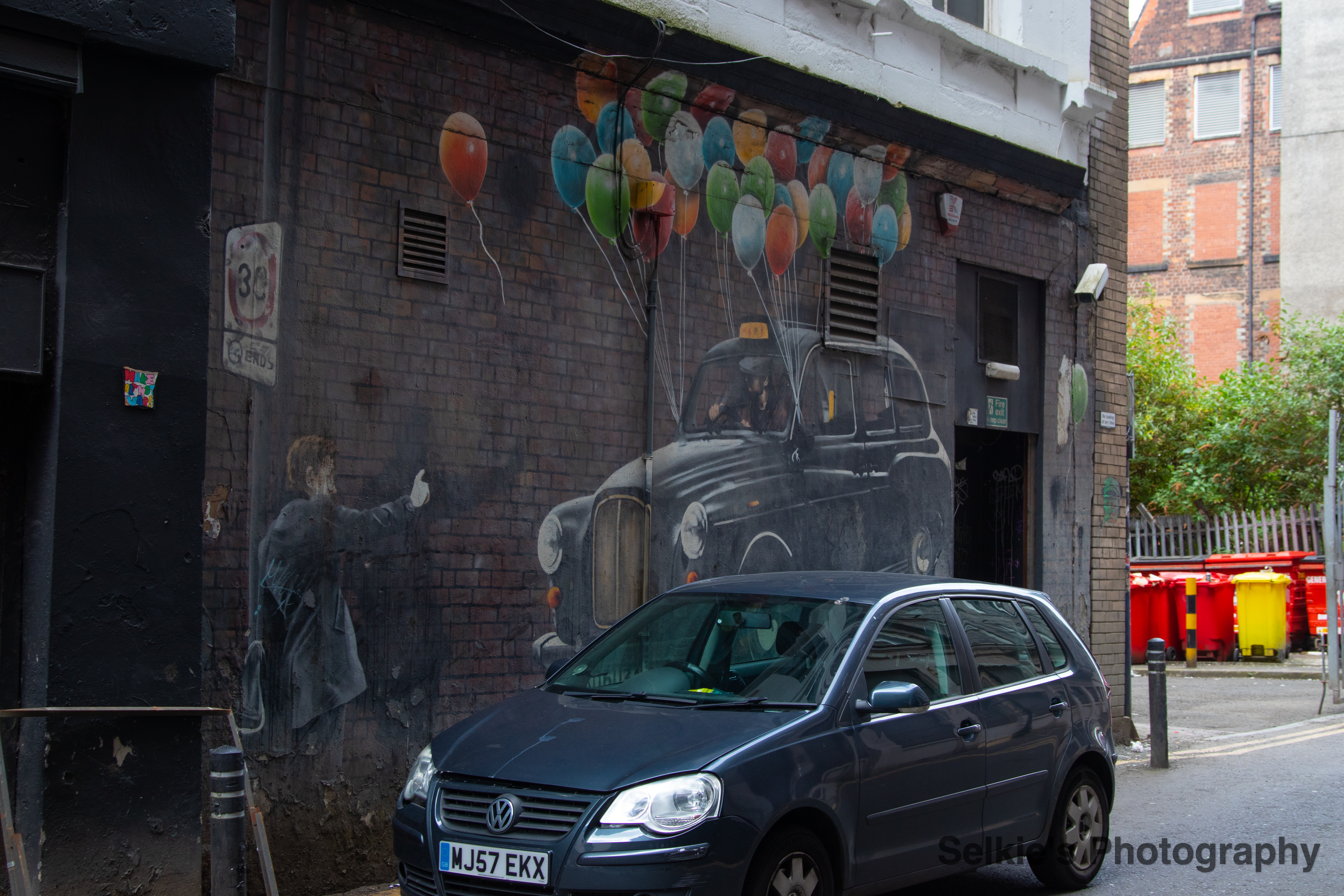
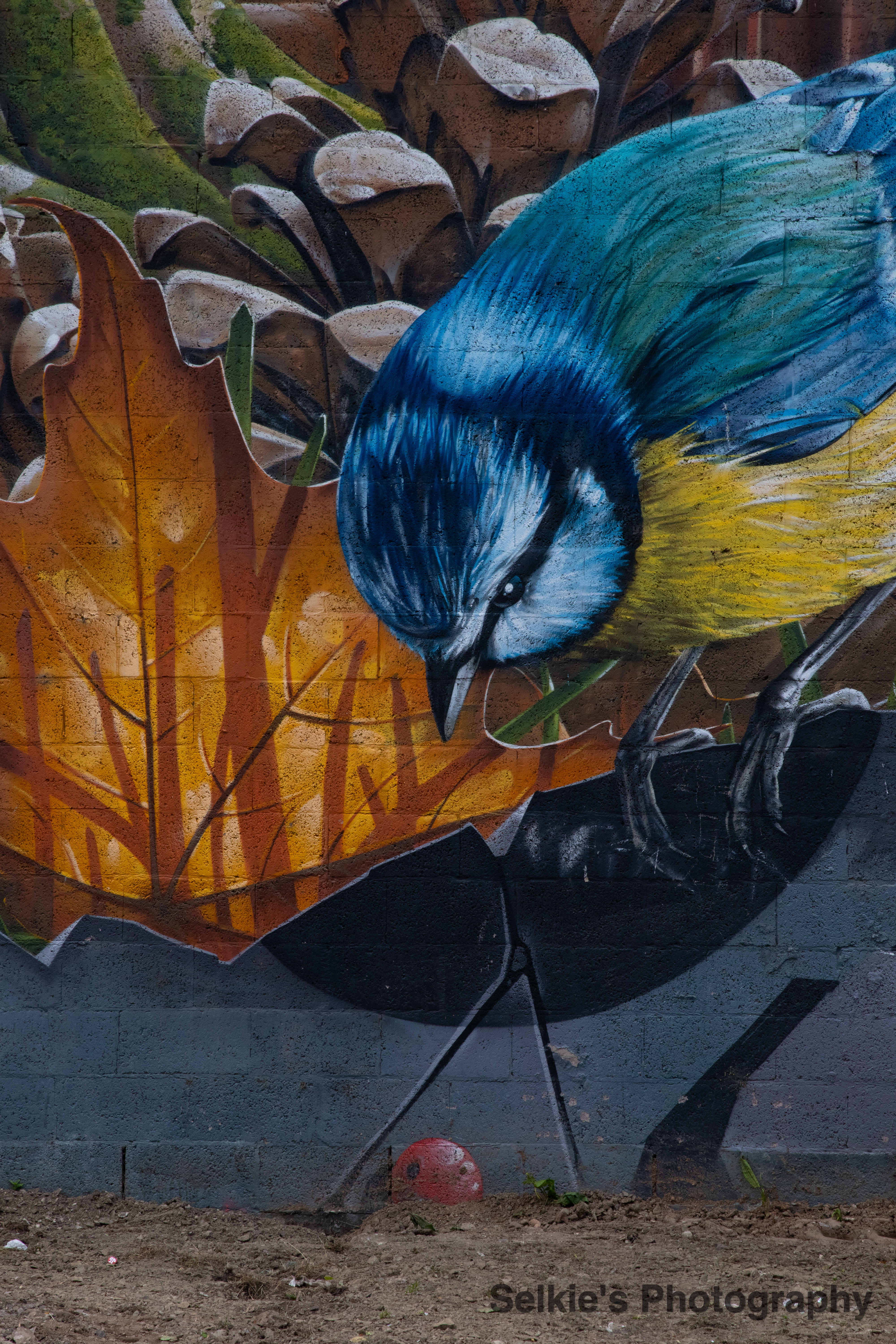
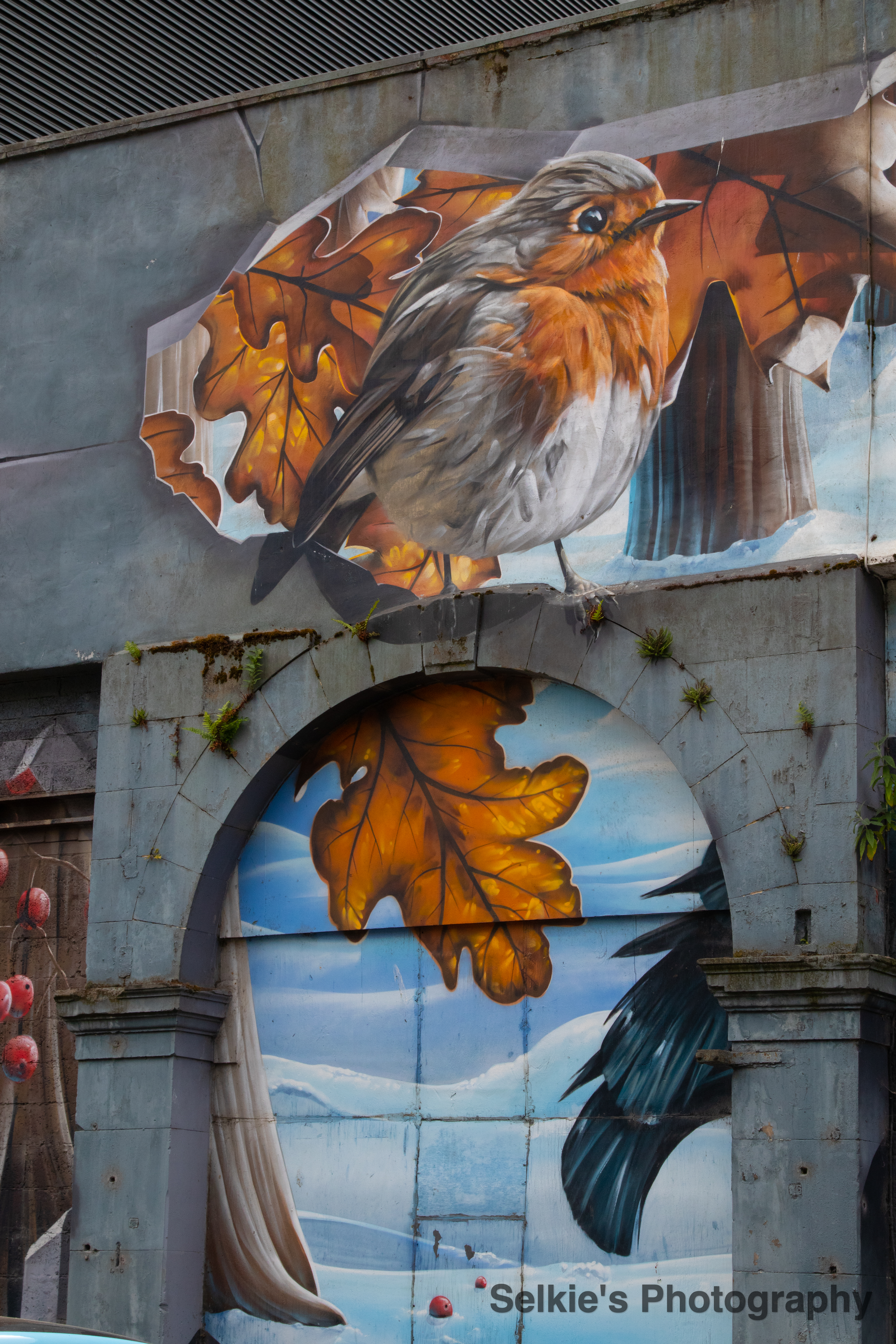
These are from the larger mural of Scottish wildlife that I had a previous go at on the Bank Holiday Hunt. This time I was quite taken with the arch in the stonework that underlies the mural and has been worked into the design.

Arran

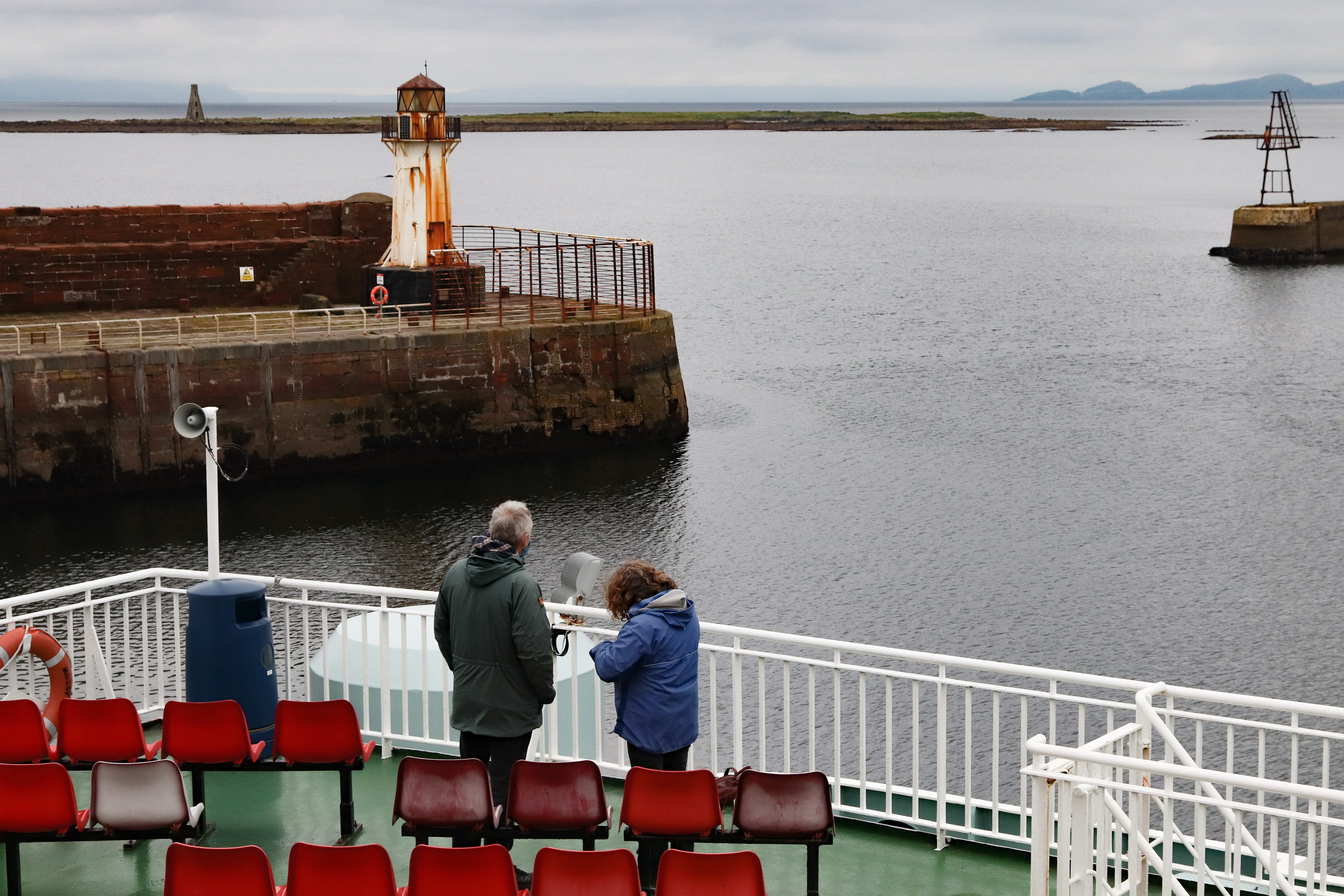
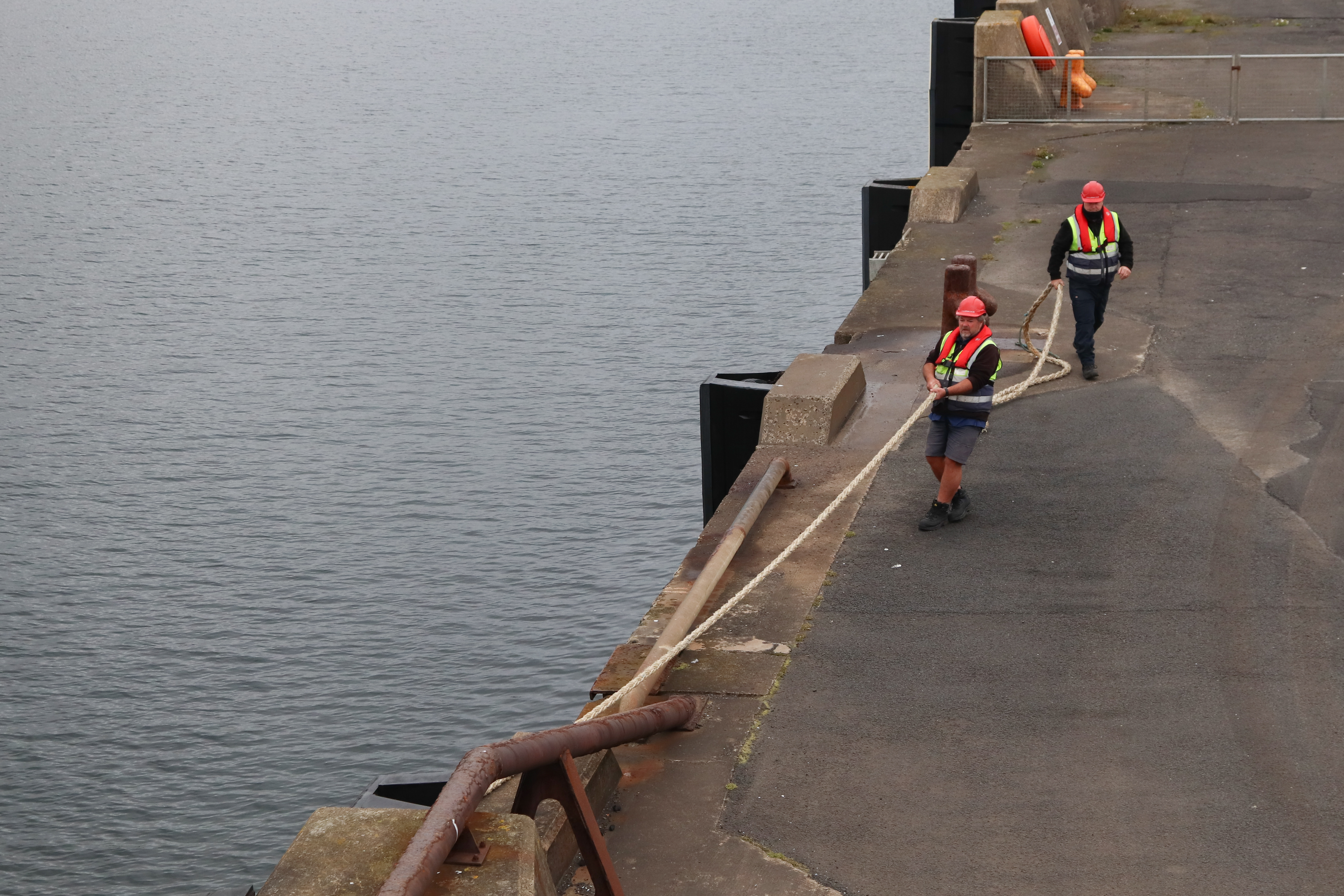
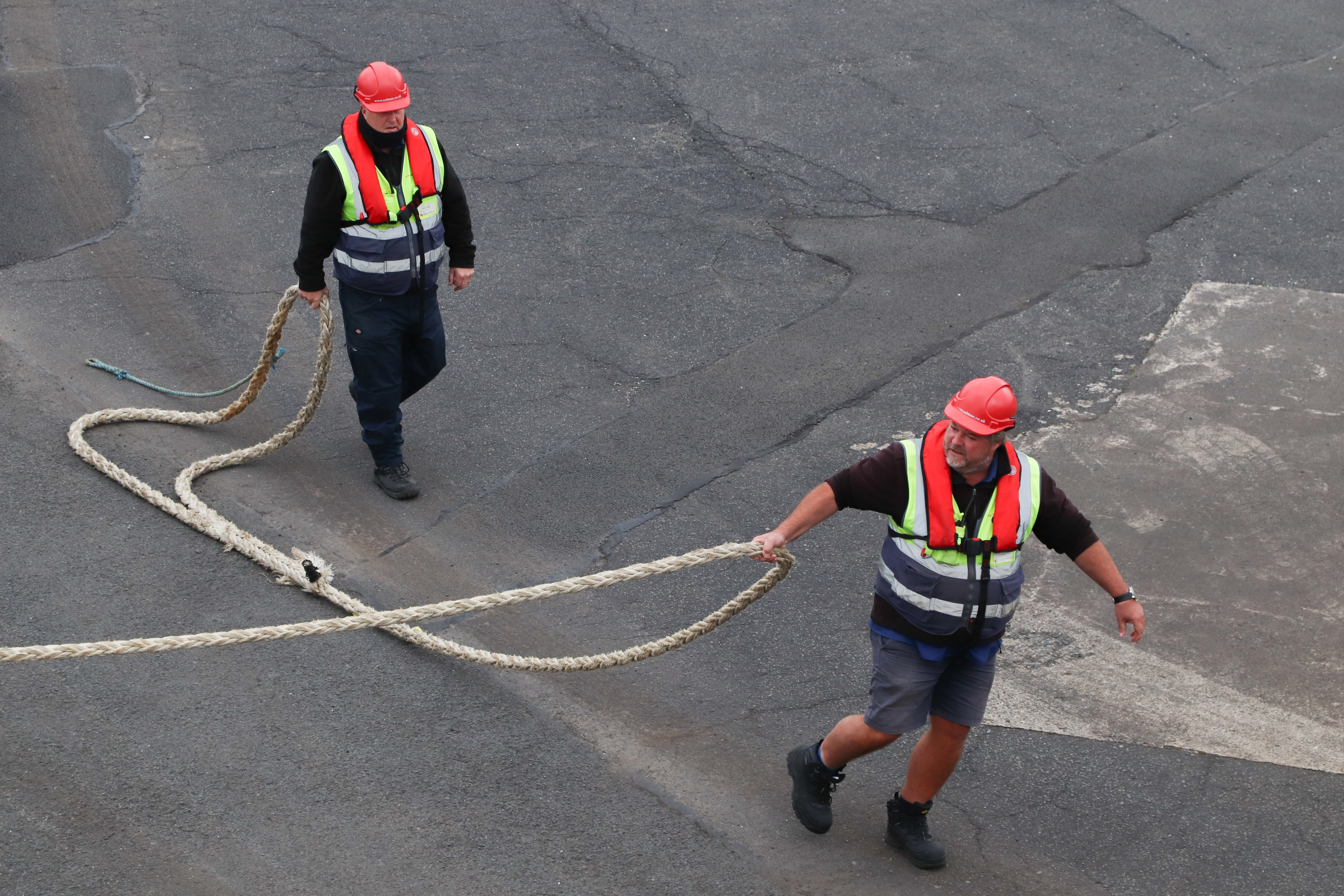
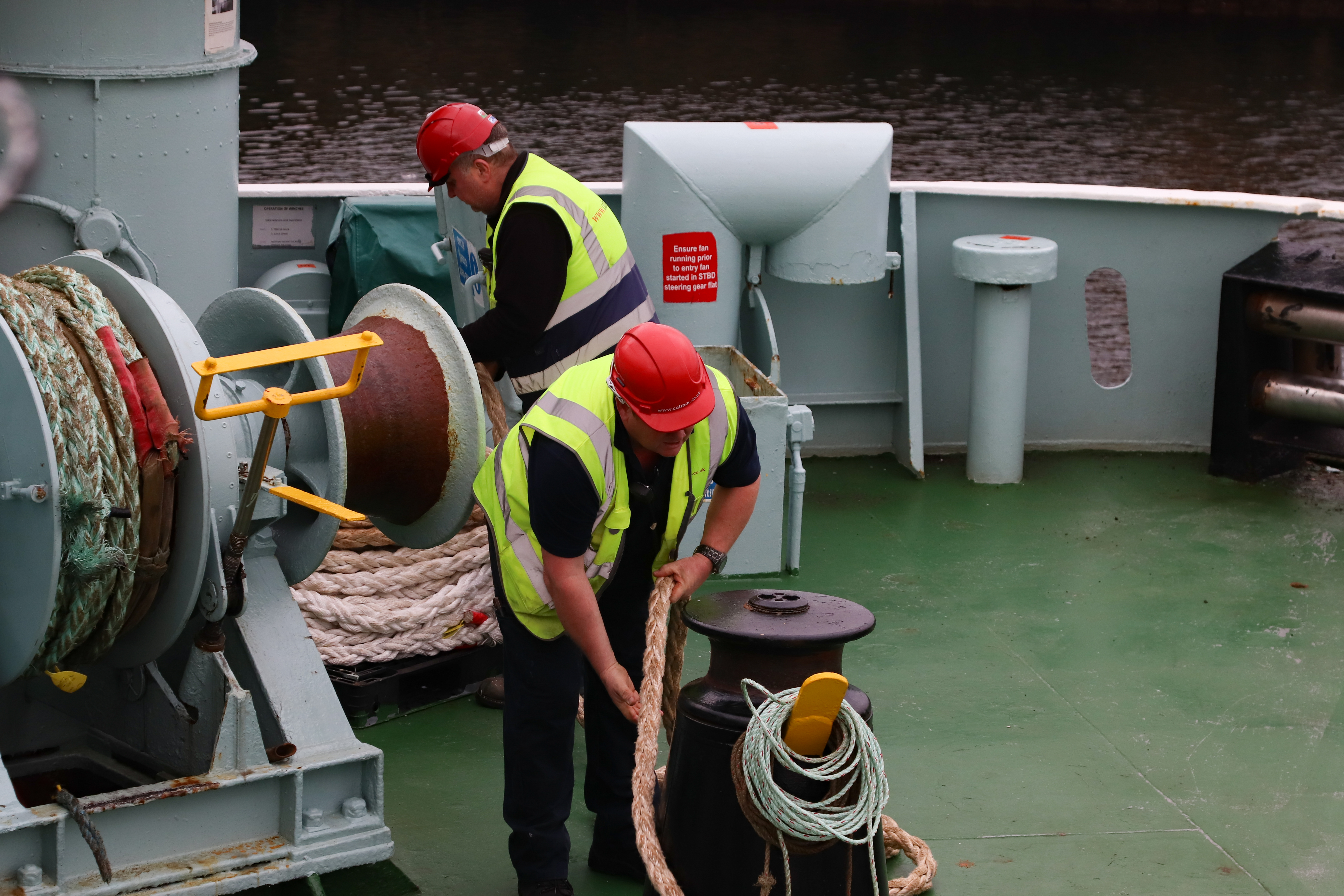
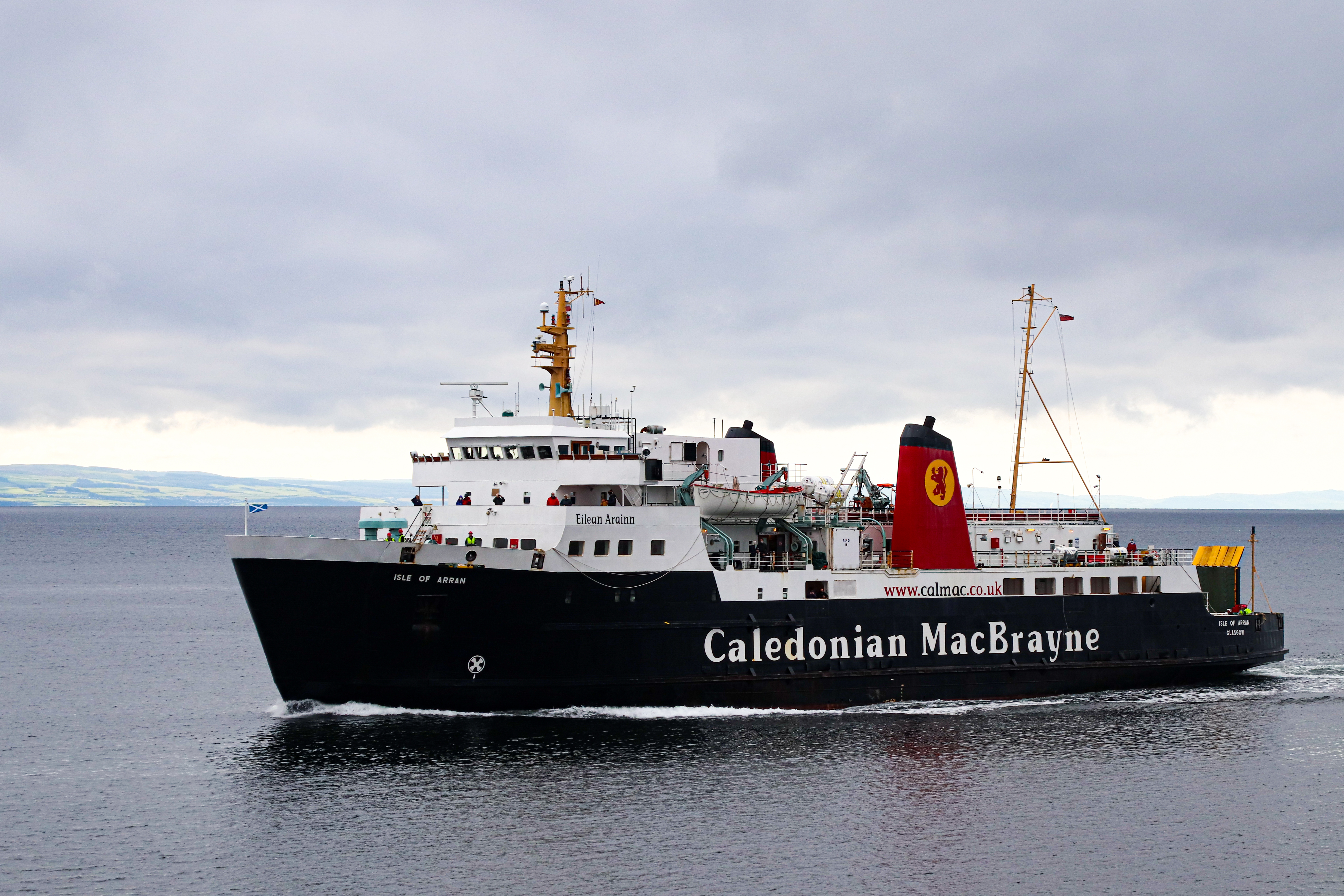
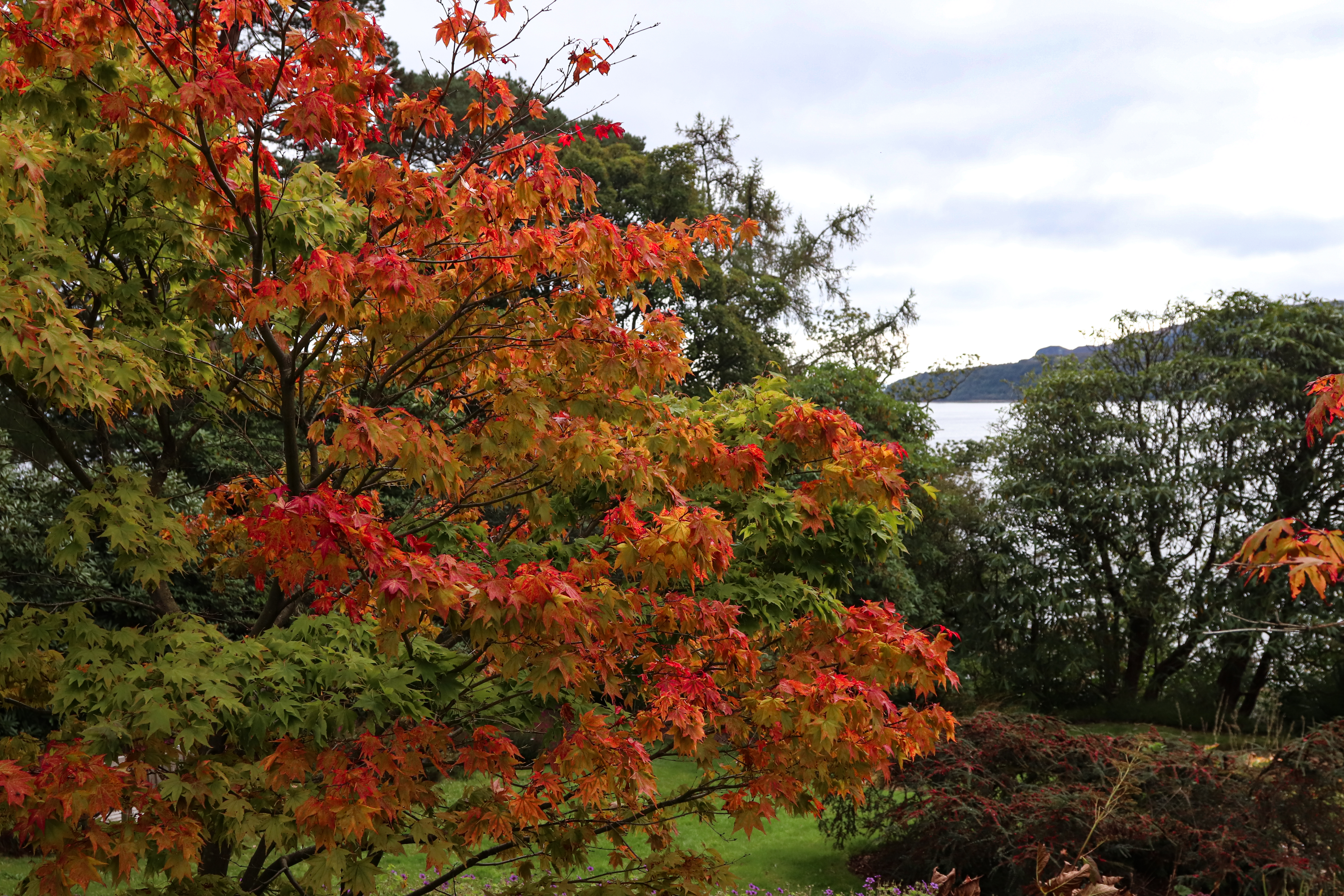
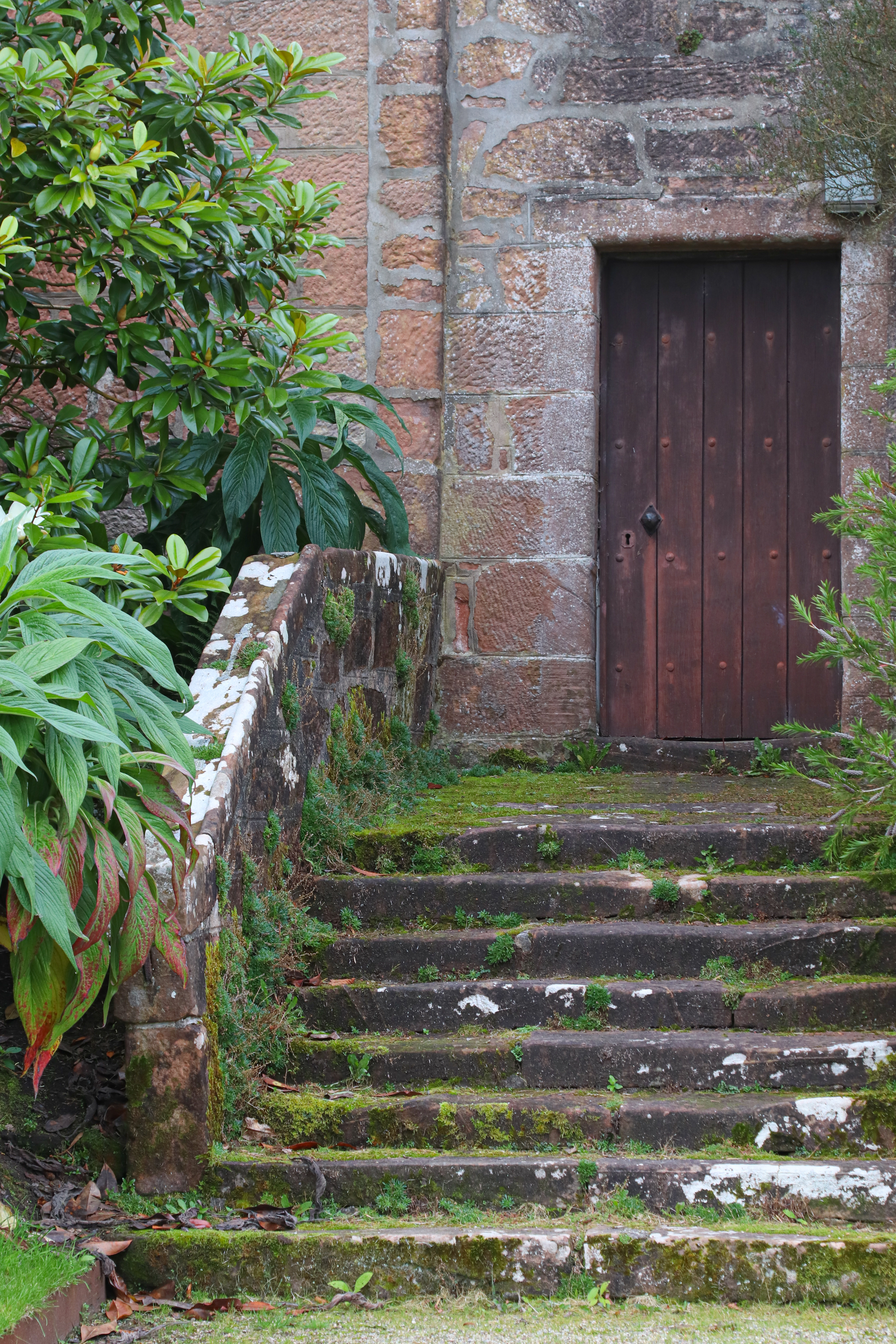
It was a whistle stop trip to the isle of Arran for a Sunday shoot.

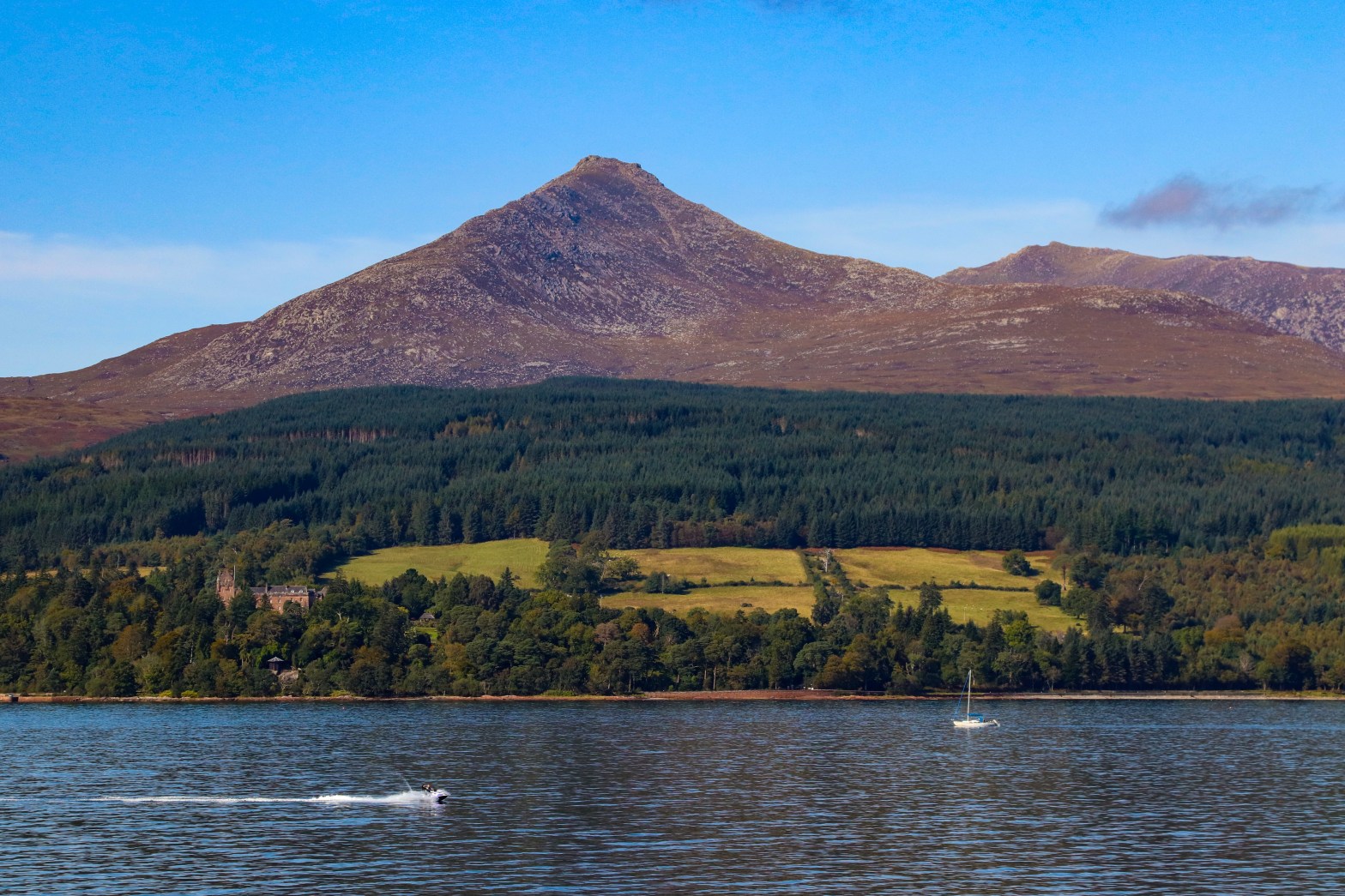
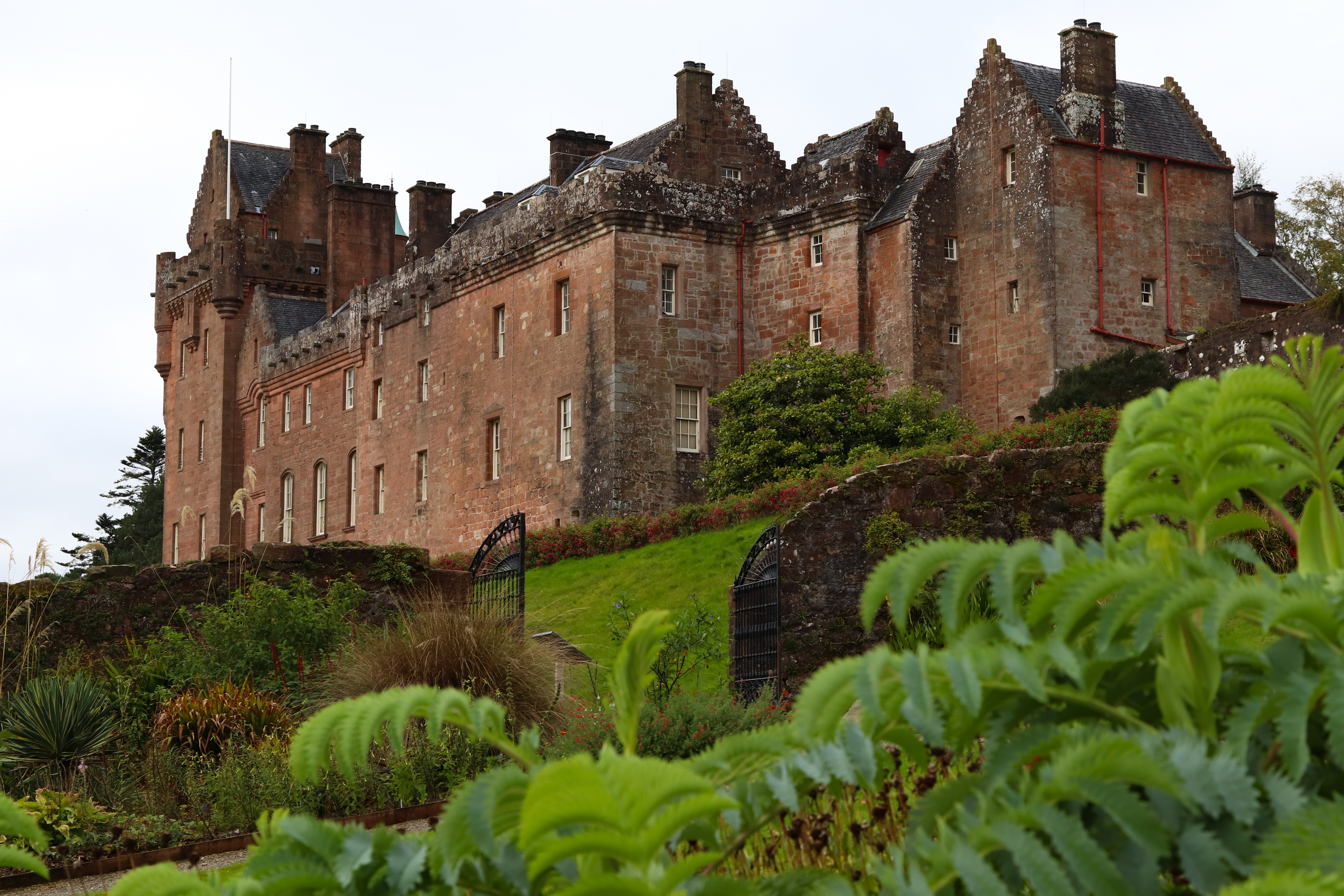
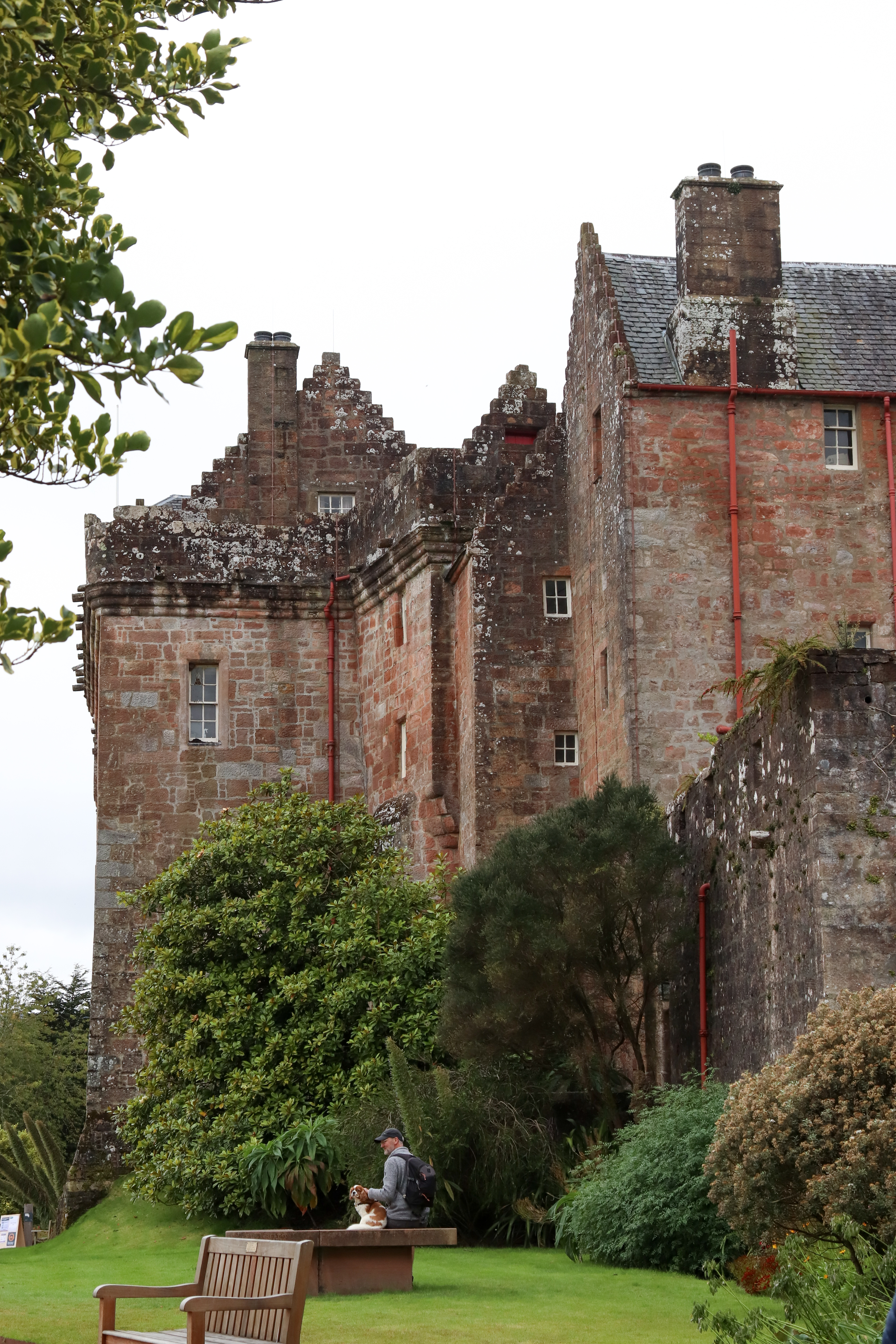
After a little early morning jaunt on one of CalMac’s finest. They do a cracking bacon roll, by the way. It was decided that we would head to Brodick Castle. A National Trust for Scotland property with extensive gardens, it’s a beautiful place. I need to head back to spend longer there sometime and to see round the castle itself.

If only there had been more time…. We were running a little late to get the ferry back (there’s limited spaces just now) so had to do a bit of a route march to get back to the terminal. My legs almost couldn’t take it…. I need to to more excersize if I plan on doing more shoots like this.

South Queensferry

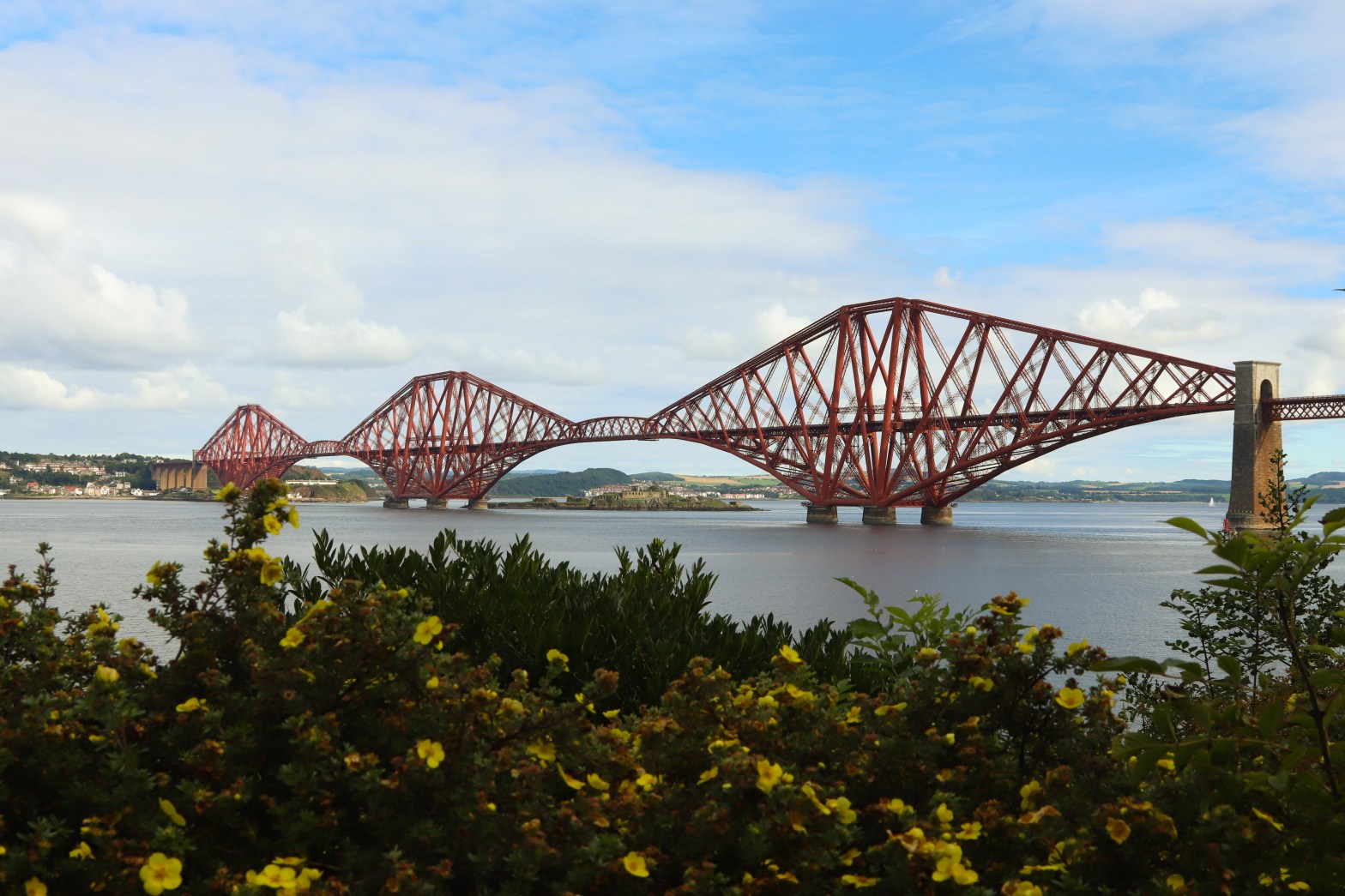
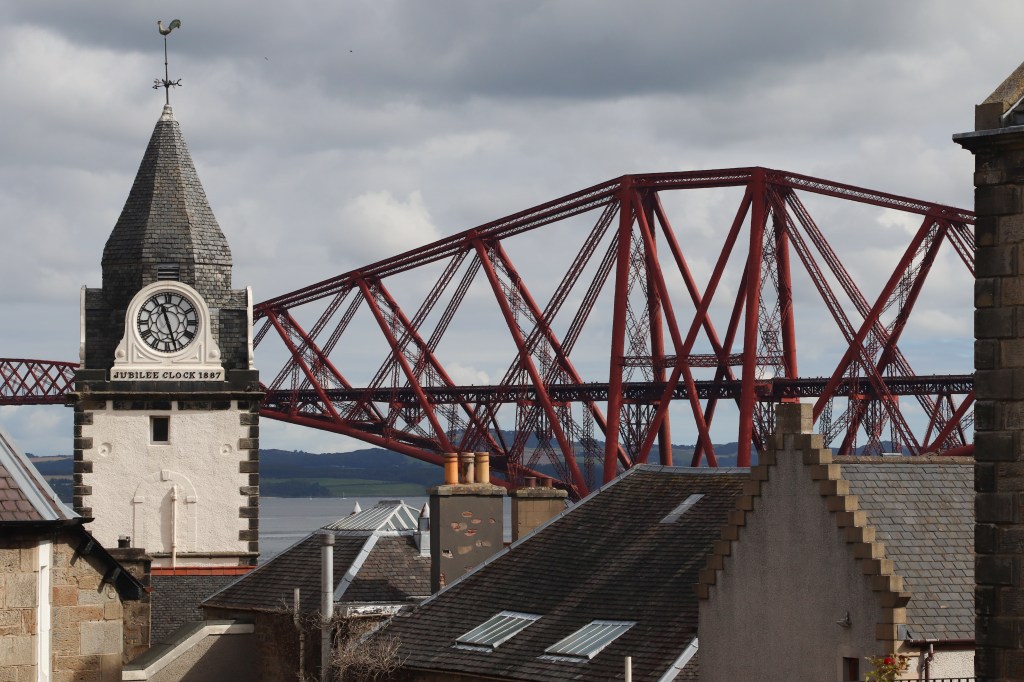
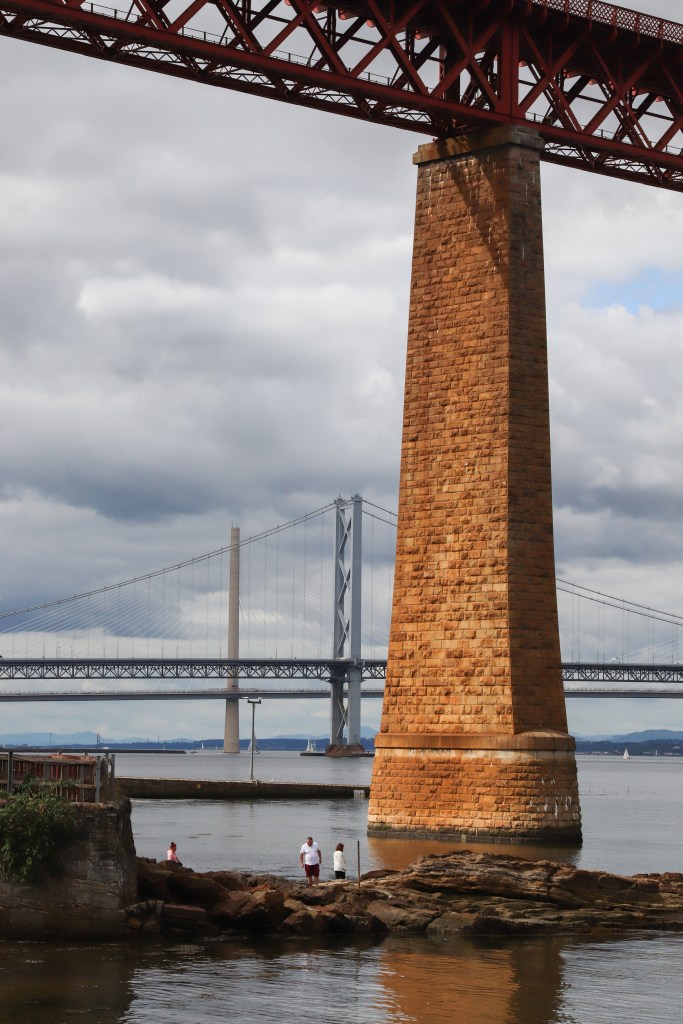
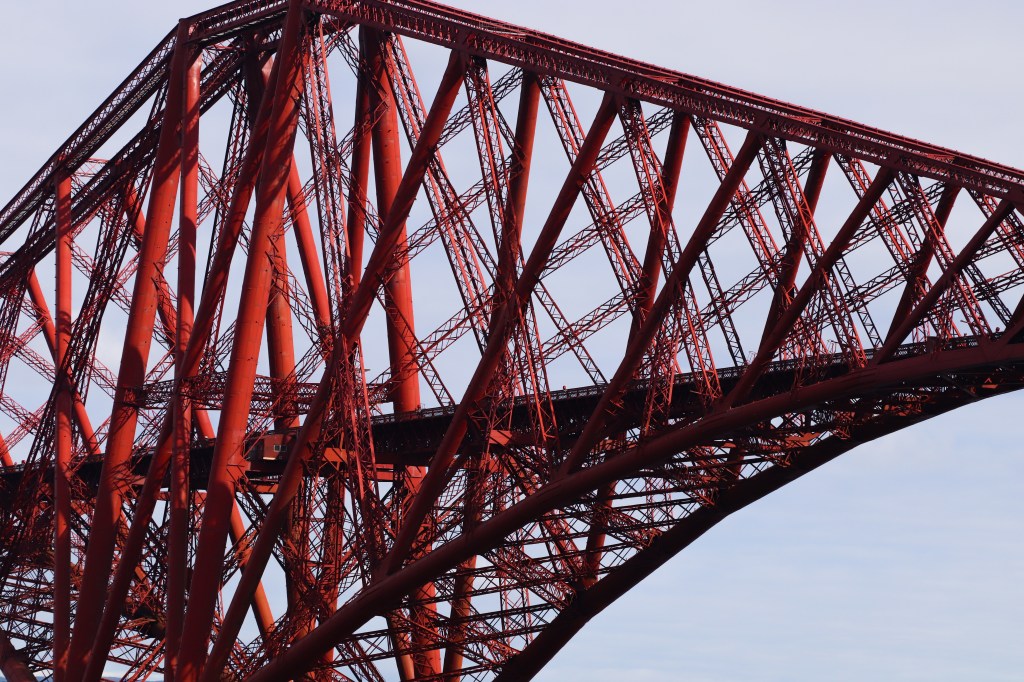
Sitting on the edge of the Firth of Forth is a sweet little town better known for the iron rail bridge that cuts through and dominates the skyline. A place with its own history and teeming with sightseers currently, it’s a great place to visit. It does boast some great views of the 3 Forth bridges – the famous red rail bridge, Forth road bridge, and the new Queensferry Crossing.

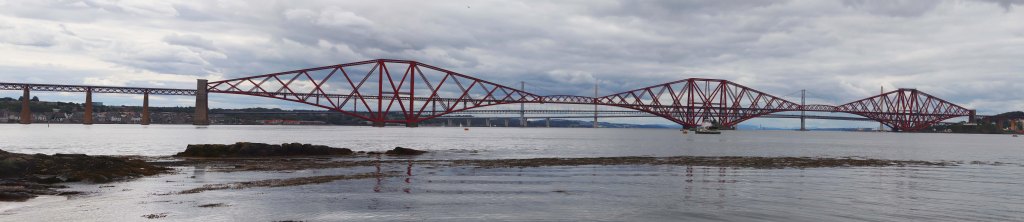
All three bridges stacked up, looking west. If you move further to the east beyond the Queensferry Crossing then you can achieve amore startling effect as the grey road bridges stand out out over the red of the Rail Bridge. I didn’t manage to head out that way this time but did walk out from the town further west to get the shots to build a panorama.

As assembled in Photoshop and then reduced….. the original image is over 23,000 pixels long and broke WordPress. I’ll admit it does lose something in the reduction. The colour and vibrancy is kinda kicked out of it.

For more on the science of the iconic Forth Rail Bridge and it’s history check out Wikipedia.

Bonnington Pavilion

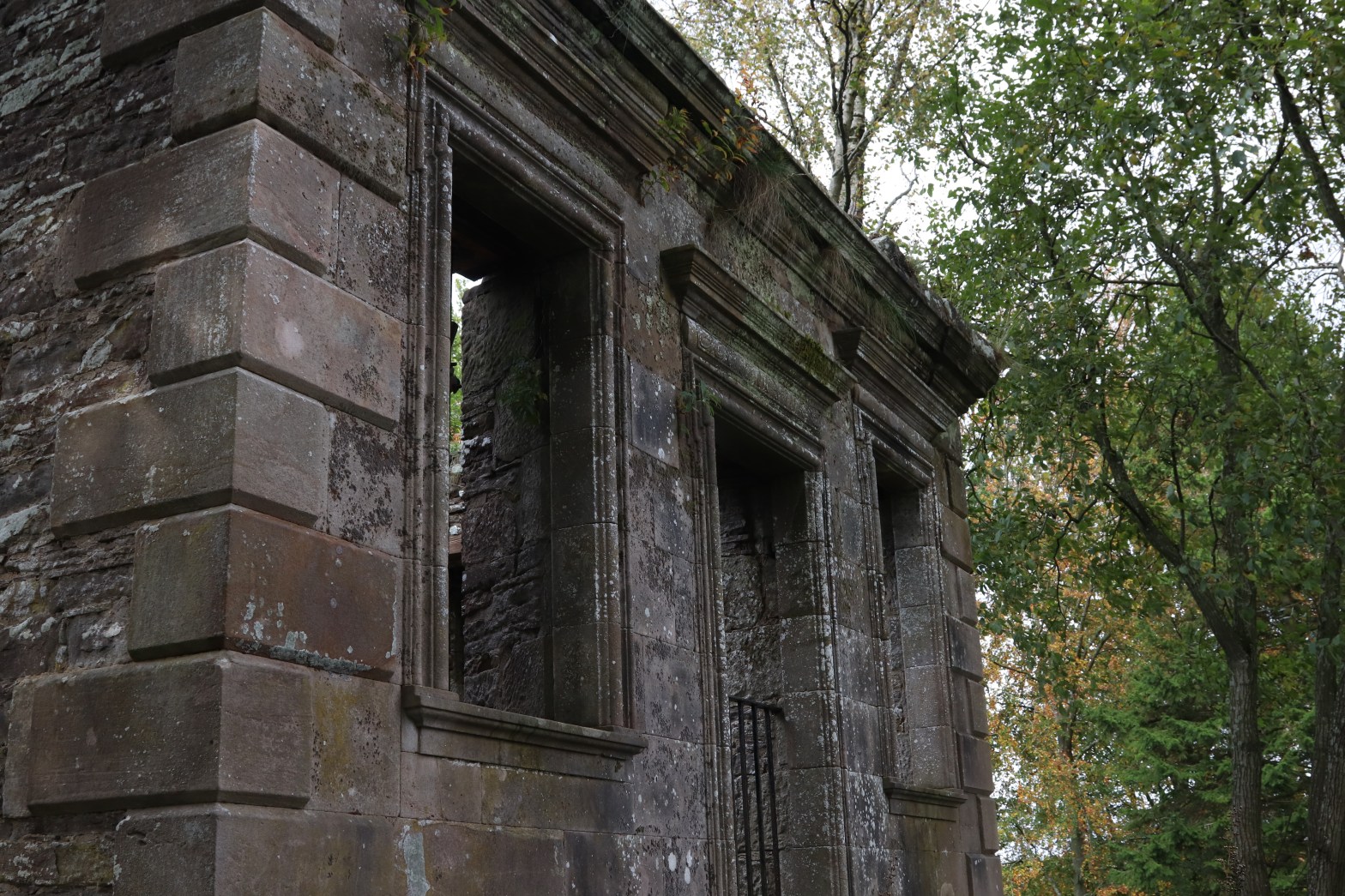
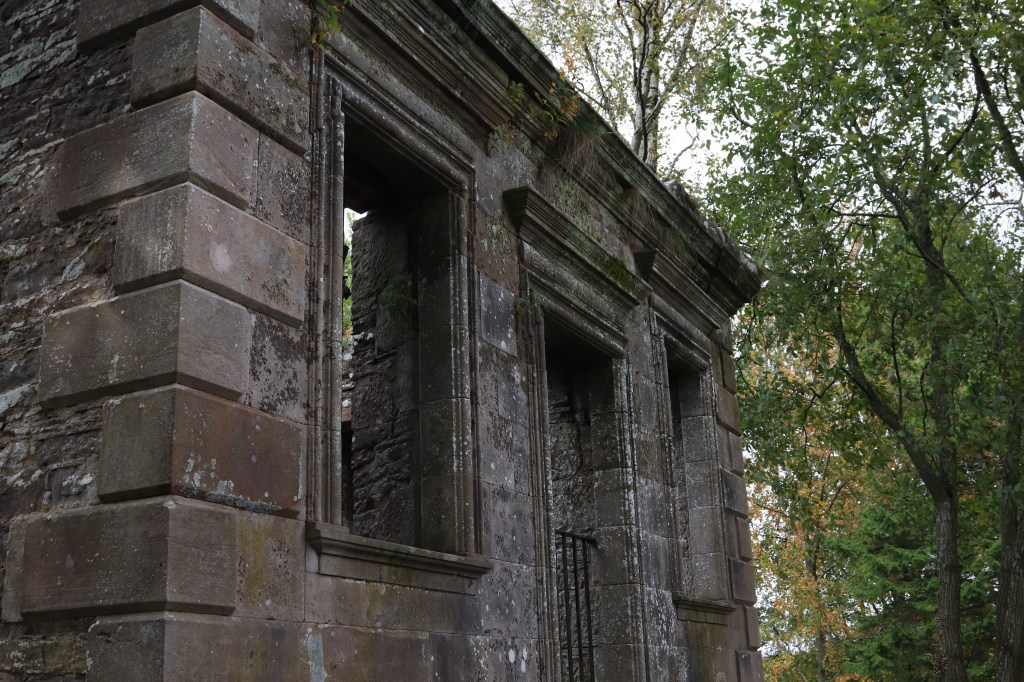
So I haven’t journeyed far from my last blog post to bring you to Bonnington Pavilion or the Hall of Mirrors. It’s part of the historic Falls of Clyde area next door to New Lanark. I came across this by chance when I initially read this article shared by a Facebook page deadicated to abandoned buildings. The “first Camera Obscura in Scotland”? Well that got this camera nerd interested. We had just been talking about that at college so I knew a bit about them and, better still, I was headded out in the right direction with my own camera soon because of the Shining Lives event.

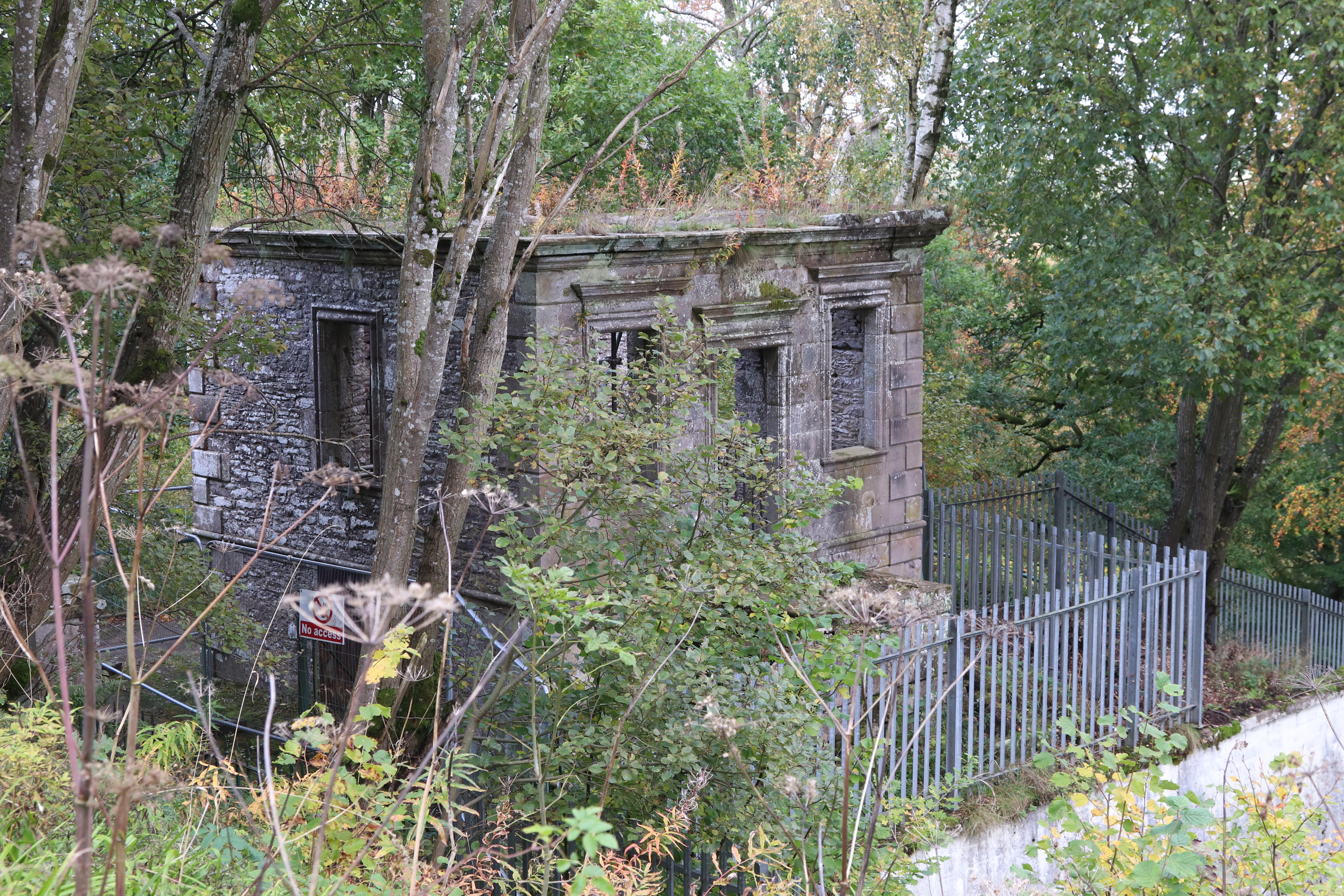
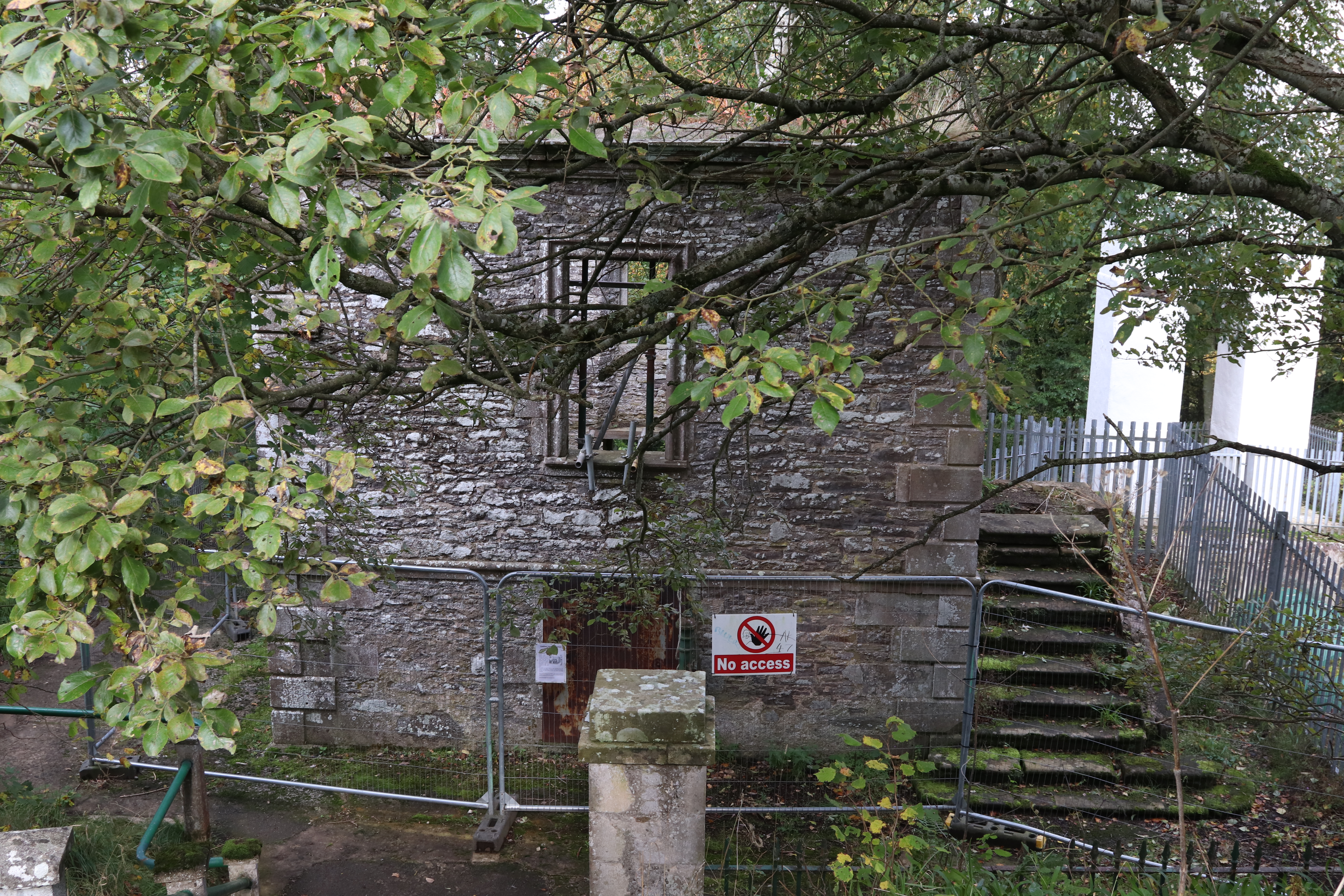
So let’s start with the history…. The Scottish Wildlife Trust, who care for the Falls of Clyde area, state in their historic walk leaflet that the Pavilion was built in 1708 as a hunting tower. Other sources usually state that it was always a viewing pavilion for the Corra Linn falls. Either way it has beautiful remaining stonework and would have been very suitable for visitors to enjoy the surroundings. What all the sources do seem to agree on that it was covered on the inside with mirrors to enhance the experience of the falls. Indeed people were invited to buy a ticket and enjoy the grounds of the Bonnington Estate so it was an early tourist attraction.

But was it a Camera Obscura? I have my doubts. I feel like there would be more sources stating it but I can only really find the note mentioned in the original article.

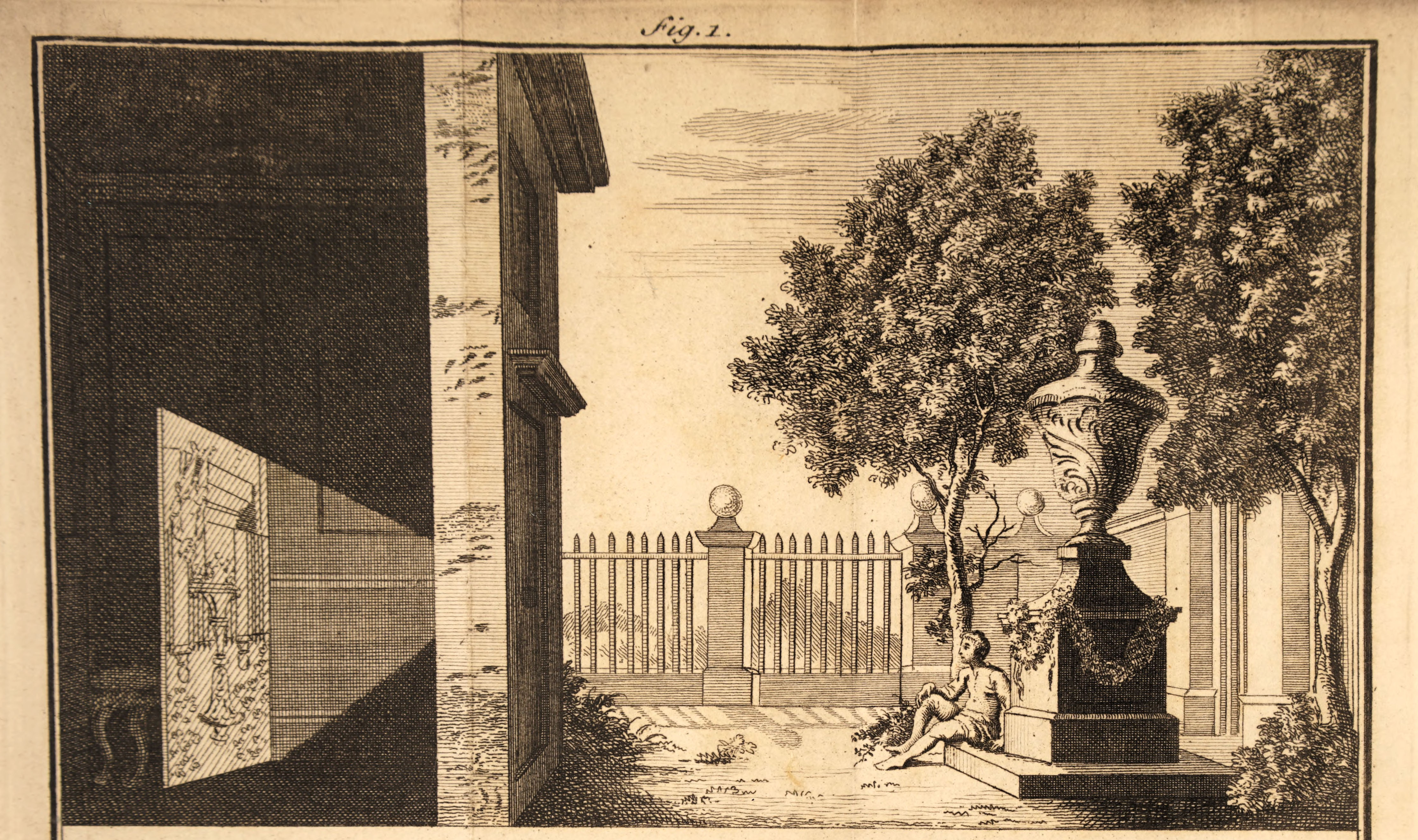
A Camera Obscura is essentially a dark box (or blacked out room) and a pinhole. The image is projected upside down on to the wall opposite. This is a similar principle to a pinhole camera where the light would hit film/light sensitive materal and the image would be captured.
Image credit – Wikipedia

Camera Obscura were used to entertain and by artists to copy landscapes and buildings. It could have been a simple parlour trick to entertain the tourists but I feel they would have written about that. In 1835 the famous Camera Obscura in Edinburgh opened and invited the public to enjoy images of the city.

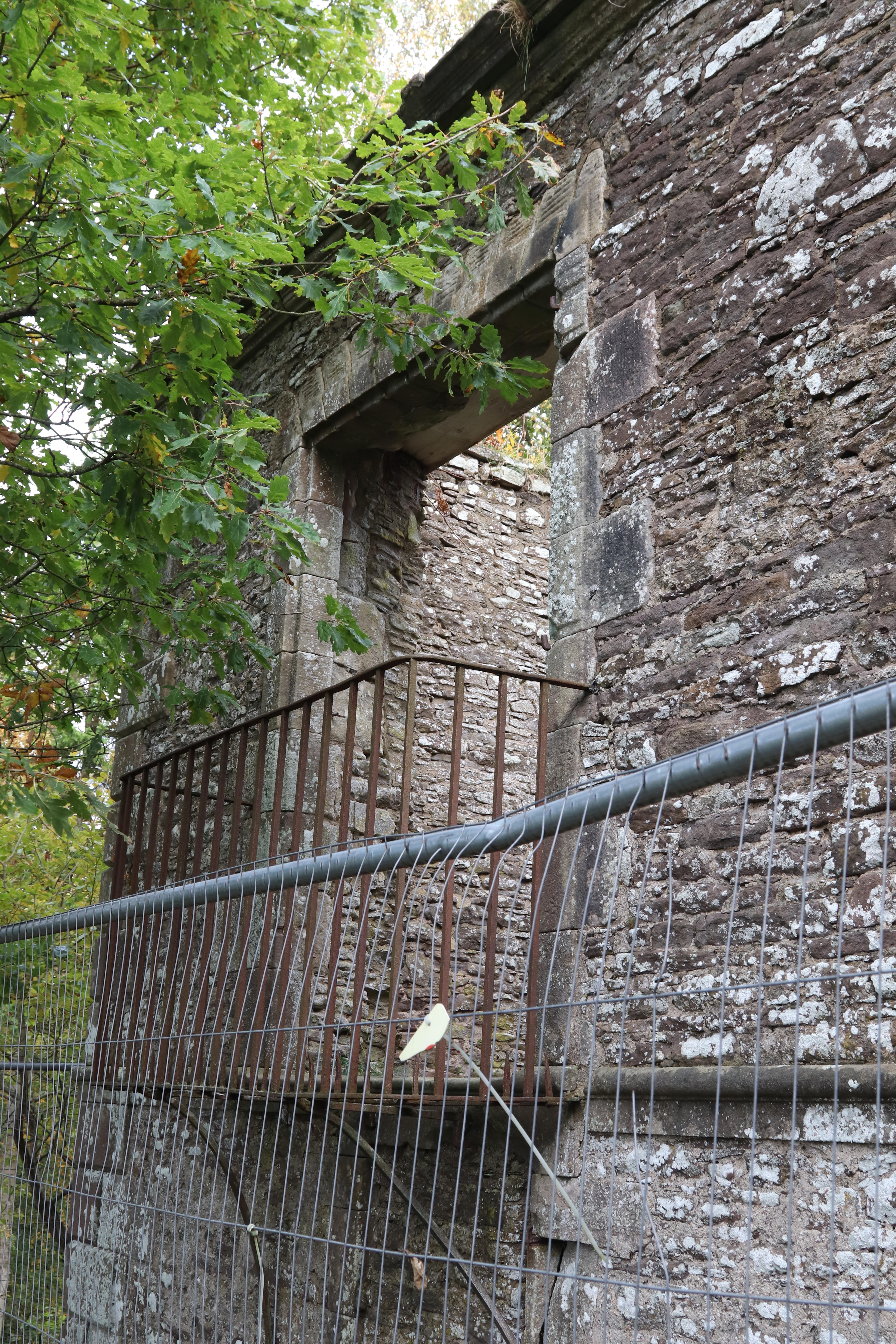
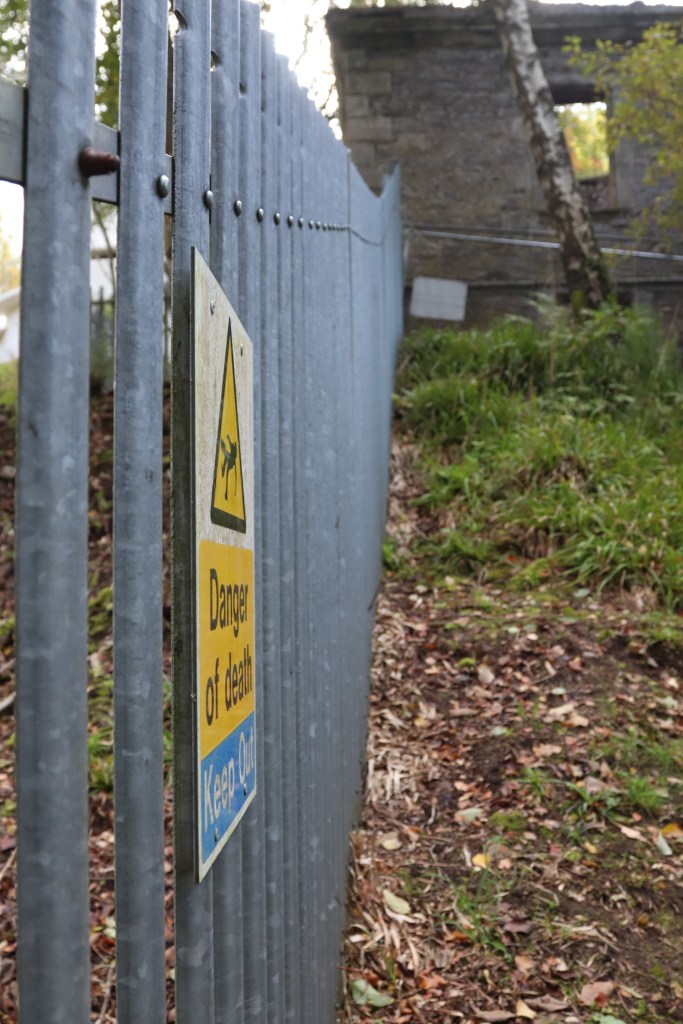
What I can say about this slice of history is that it is likely to disappear eventually unless something is done. There is a large hydro electric plant very close to the side of the building and it’s part of the reason the building needs such an amount of fencing. Additionally it’s now very fragile as buildings go and is supported internally with scaffolding. With Bonnington Estate’s grand house, stables, gardens all now gone we should be trying to save this remaing piece

Santa Cruz

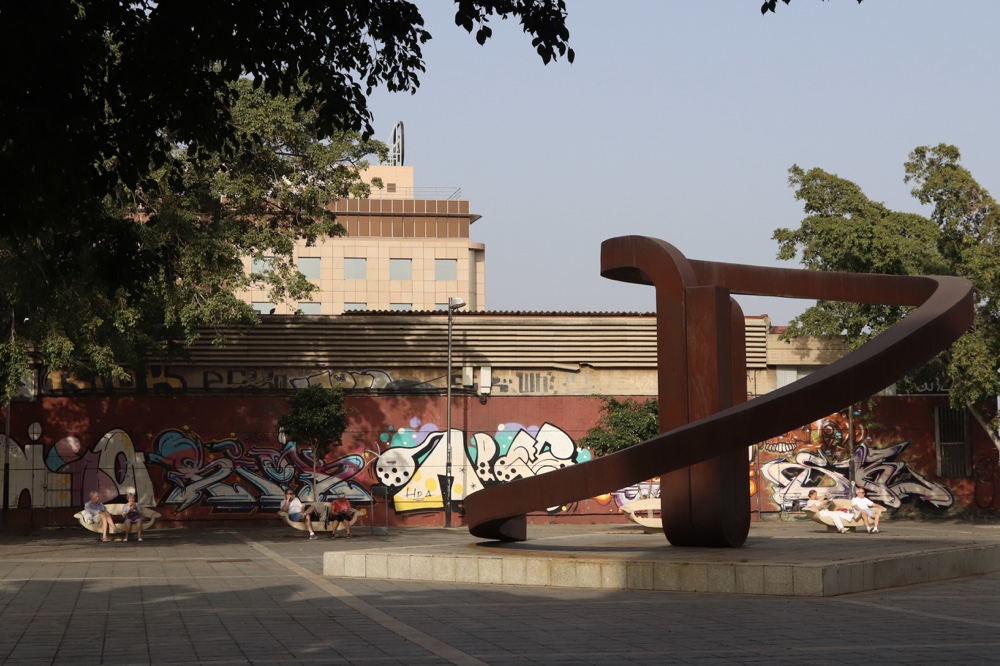
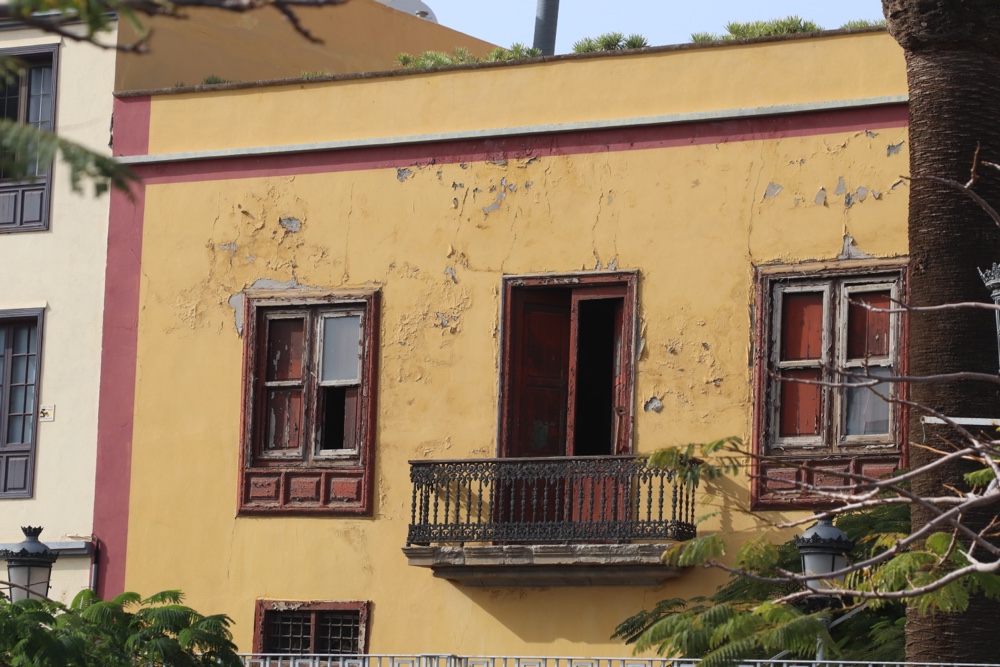
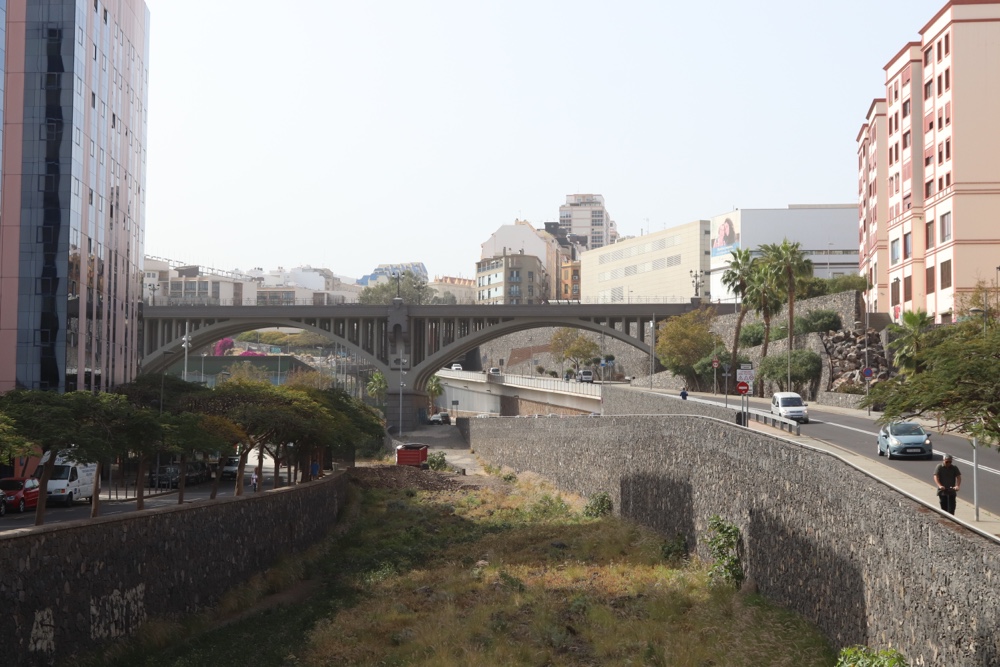
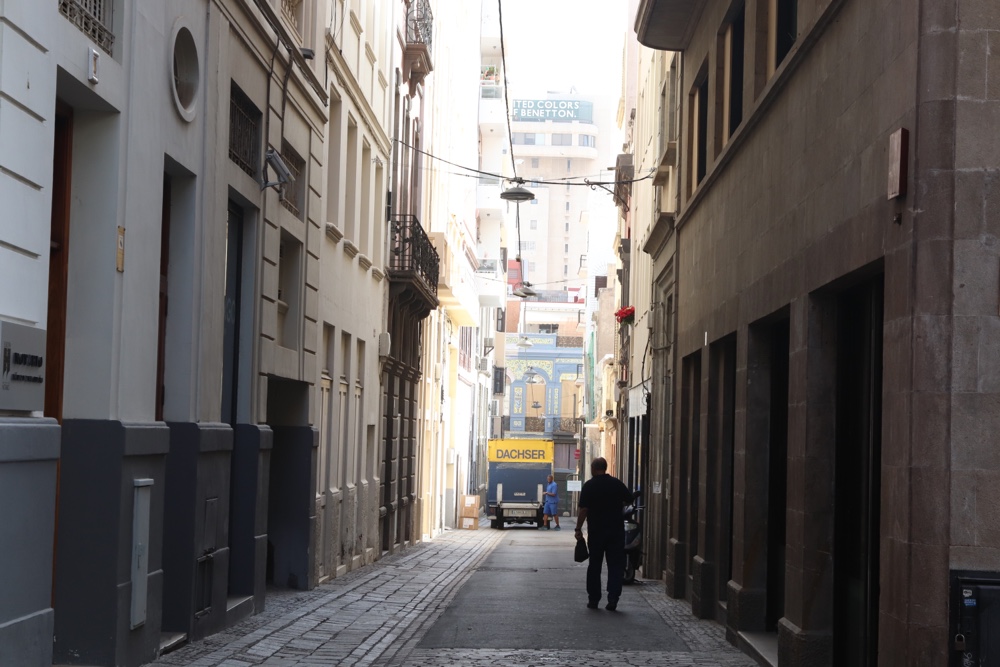
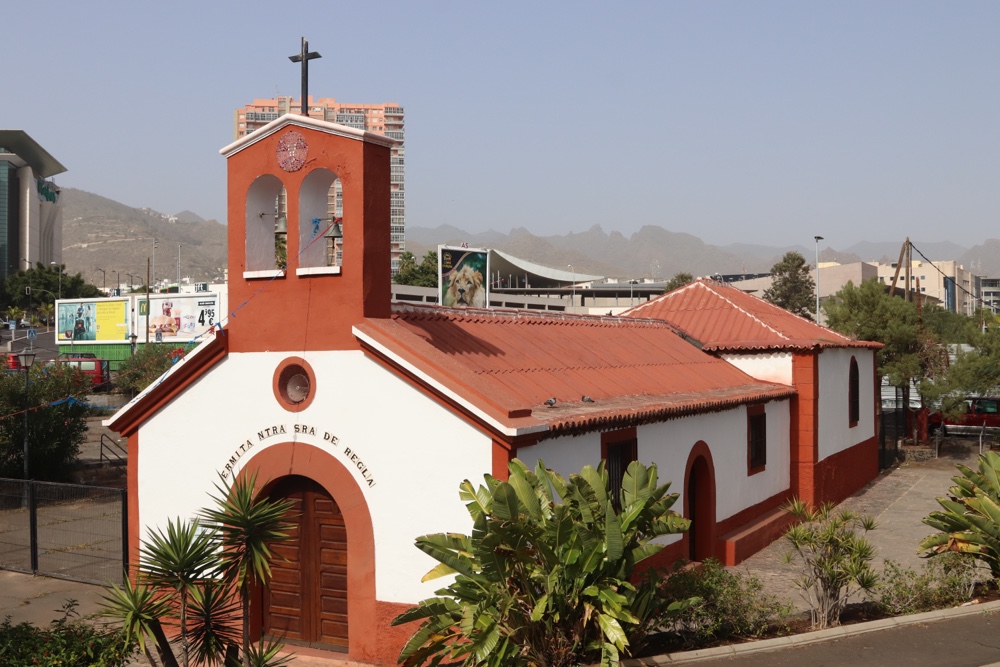
The capital of Tenerife and a city with so many different architecture styles thrown together.

Mostly taken from the city tour bus as it was only a short visit. I could have spent all day staring at the Auditorium. It’s designed to look like a wave crashing.

It fairly dominates the view in the area.

Glasgow University

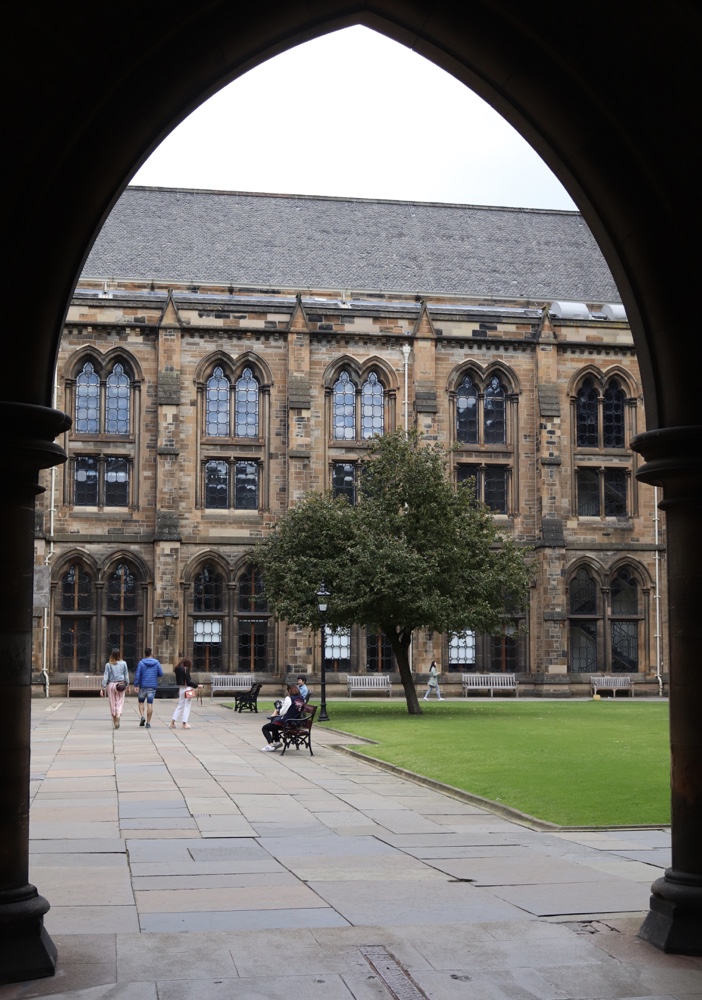
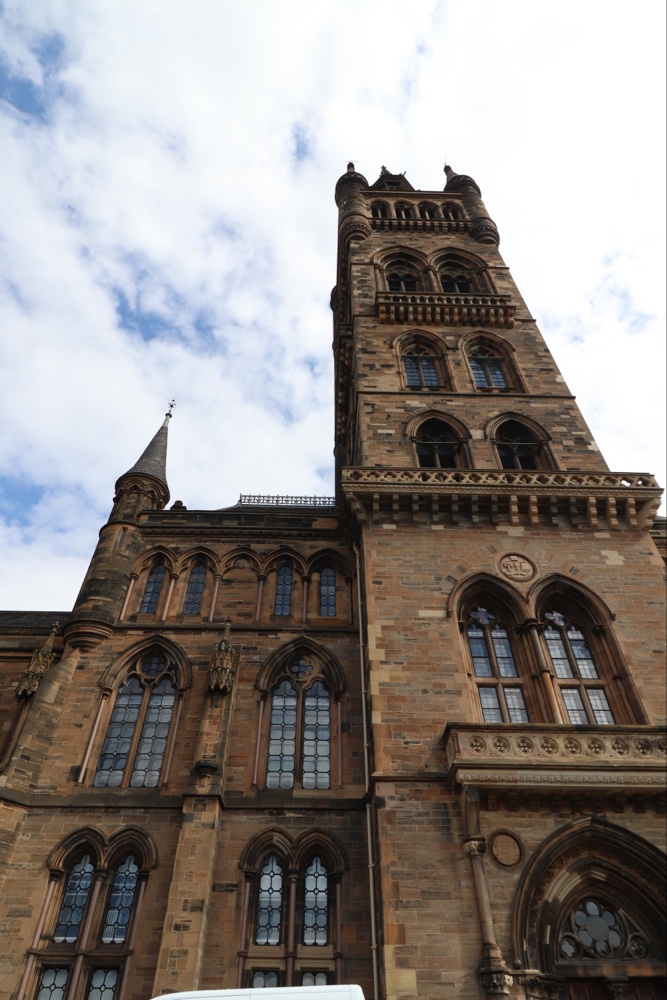
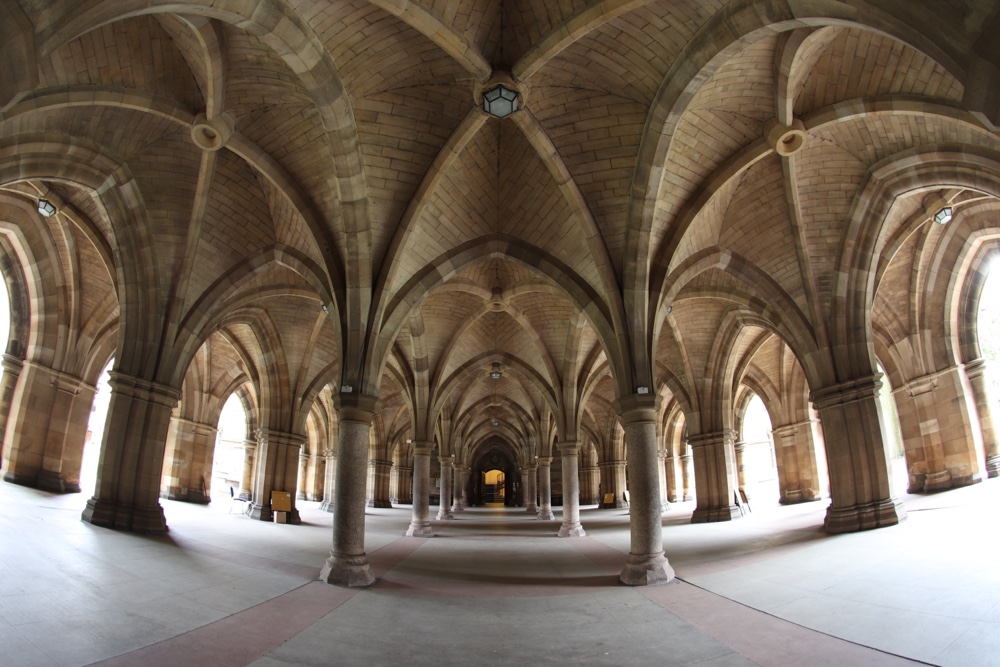
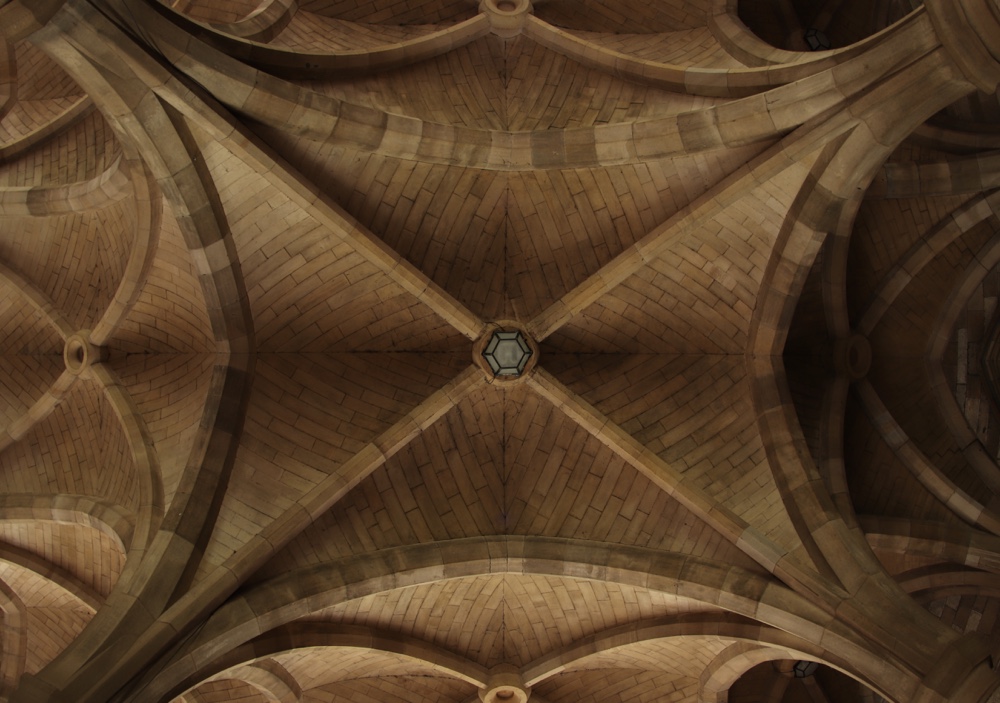
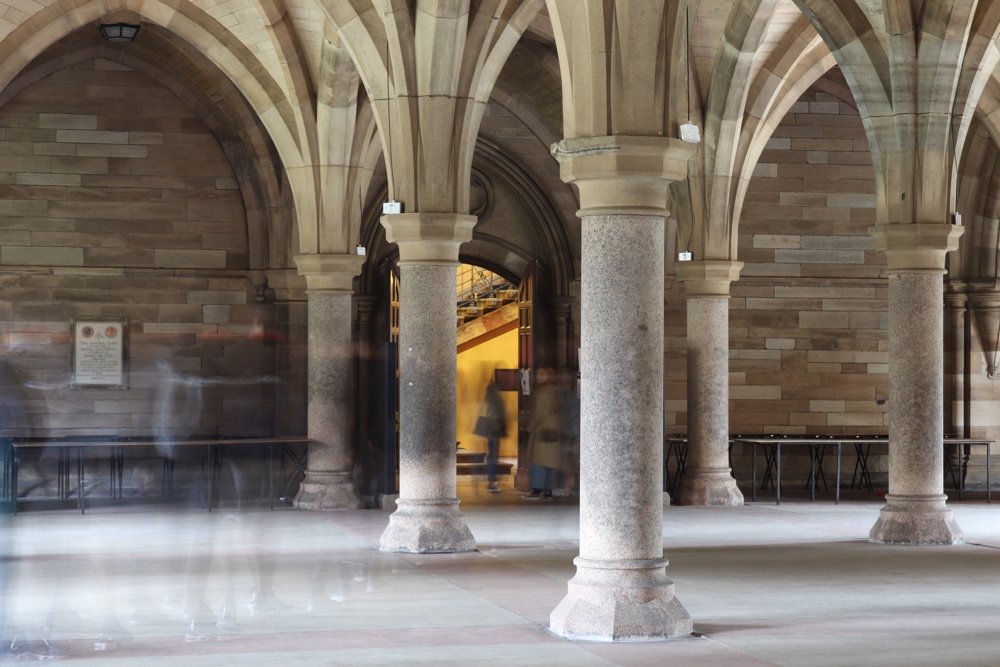
So months ago now I went on a shoot to Glasgow Uni. Not the one I attended many years ago, that was Strathclyde, and while I say attended I mean dropped out of. Ah well. I was attempting to be a little different as there are plenty of shots of the famous cloisters.

So I dragged out the wide angle and my dusty fish eye since I almost never use it.

It’s not for everyone but I enjoy the change.

Pollok House

So I haven’t made a new post since June. Sorry about that. In between starting the house moving process I had a mental health wobble. I’m back on track now but was taking photos the whole time. Now it’s only two weeks-ish till I head back to night school and start my higher. They are like Scottish A levels and I have 6 of them from when I was in high school…. which was a few years ago now and I barely remember half of it. So this could be interesting.

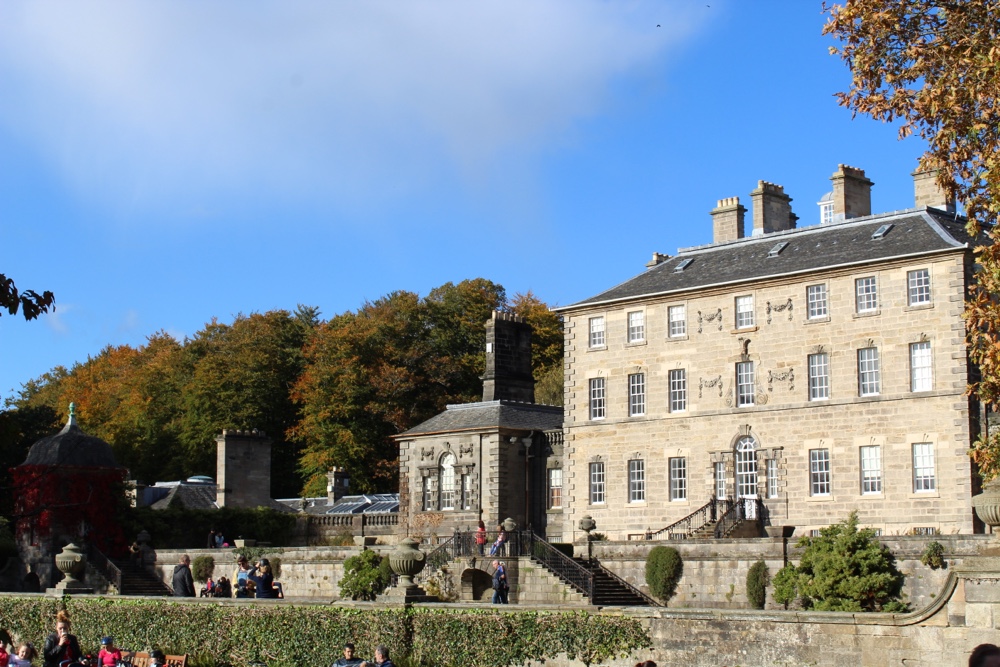
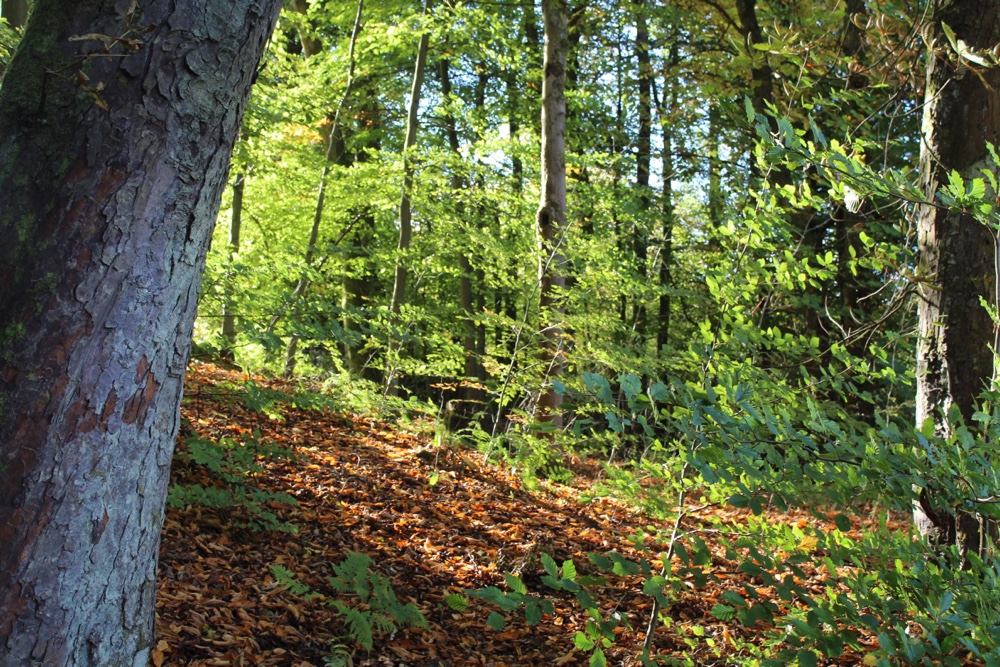
So the subject of this post is Pollok House. Owned by the National Trust for Scotland and with extensive grounds it makes for an excellent day out. As always the cafe is great and it’s safe to say if it’s not bucketloads of rain there’s a fair few amateur photographers kicking about there. I’ve been a lot over different times and with different equipment. The photo above I took with my 1300d and kit lens on a walk about last autumn before I started any of my courses. Walking around was so peaceful and I didn’t need distractions because I was looking for the shots I wanted. Even though I was on auto mode back then with the camera making my decisions. I also didn’t respect the rule of thirds then either. The photo I’ve used as the featured image at the very top was one I took way back at the very start. When my dad would hand me the camera and watch very carefully in case I did something daft with it.

Another taken with my 1300d

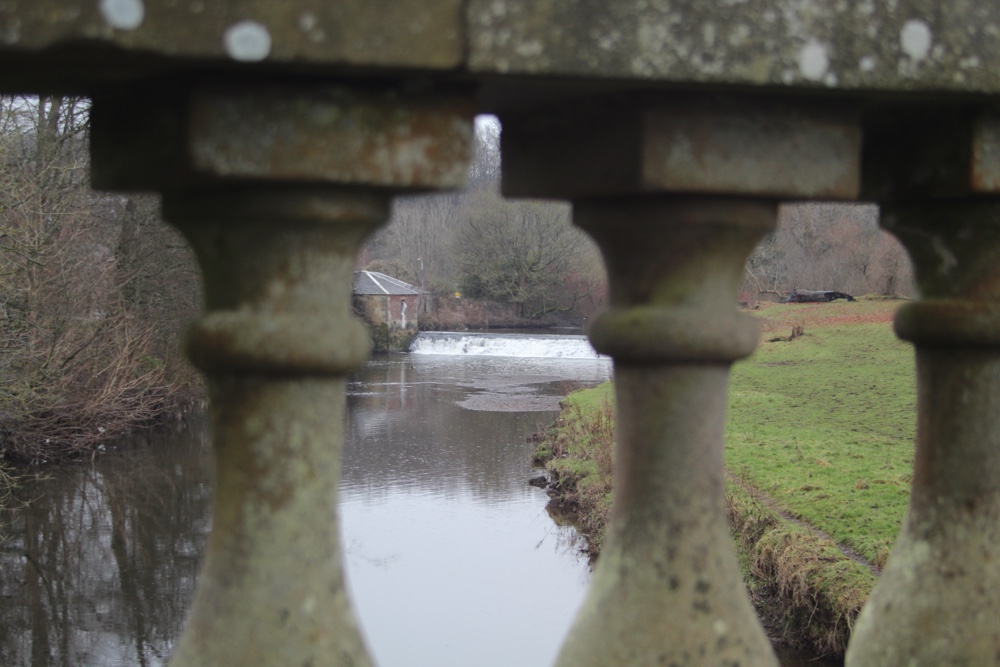
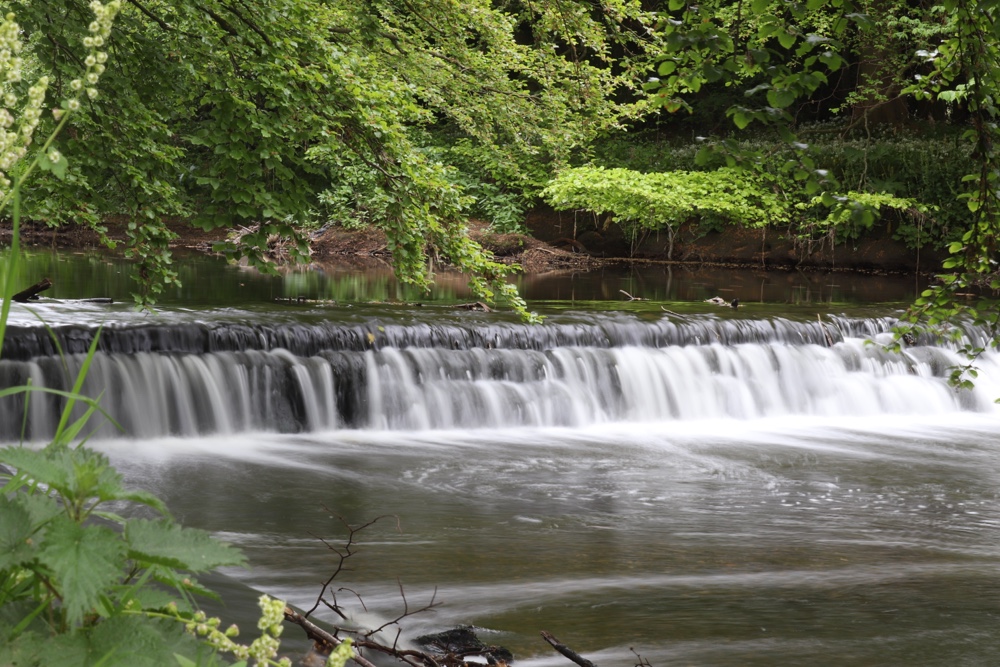
So it’s also a reasonable test bed for my newer kit. My 77d was taken there on it’s first outing although it wasn’t my most inspired day I did manage a slightly longer exposure on the weir…. I don’t care if some folks think that the smoothed out water shots are awful. It’s a technique worth learning and water nearly always flows.

77d but with the 1300d’s old kit lens

So my most recent trip was out with the 77d and it’s new glass….. a 24-105mm f4 L. For awhile I’ve been needing a touch more reach and the 77d fell out with the old 70-300mm I inherited. It has some interesting vignetting when I was at lower apertures. You can see it appear in the photo of the single female rower at the Regatta. It’s not always an effect you want to break out. So I sold a lot of things on gumtree and put my hands on new-to-me lens.

77d and its 24-105mm

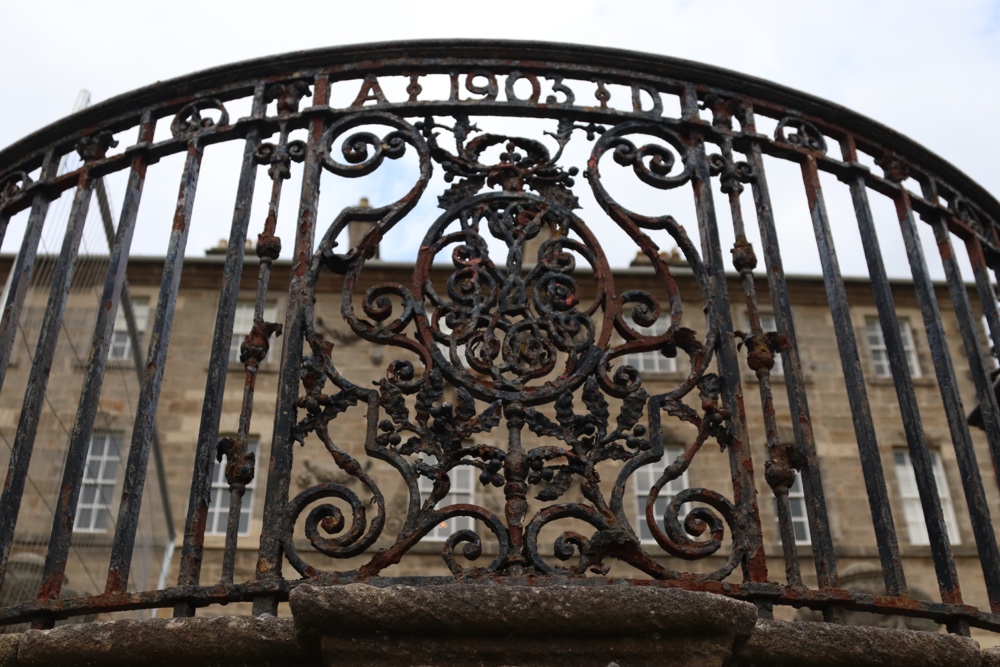
Safe to say I have found odder angles since I started out…..

Not all odd.

I imagine that I’ll be taking photos here for a long time to come.