Down the Coast

I’ve been wandering round the Ayrshite coast recently. Does help that I go on a weekly walk with a friend and we relocated the walk (previously it was the local park) to the beach at Troon. Which is somewhat the inspiration for this. We’ve ventured to other parts of this coast line before like Culzean Castle. Hard to believe that was 2 years ago when my camera body was still new and I was yeat to darken the doors of the college to study for my Higher or HNC.

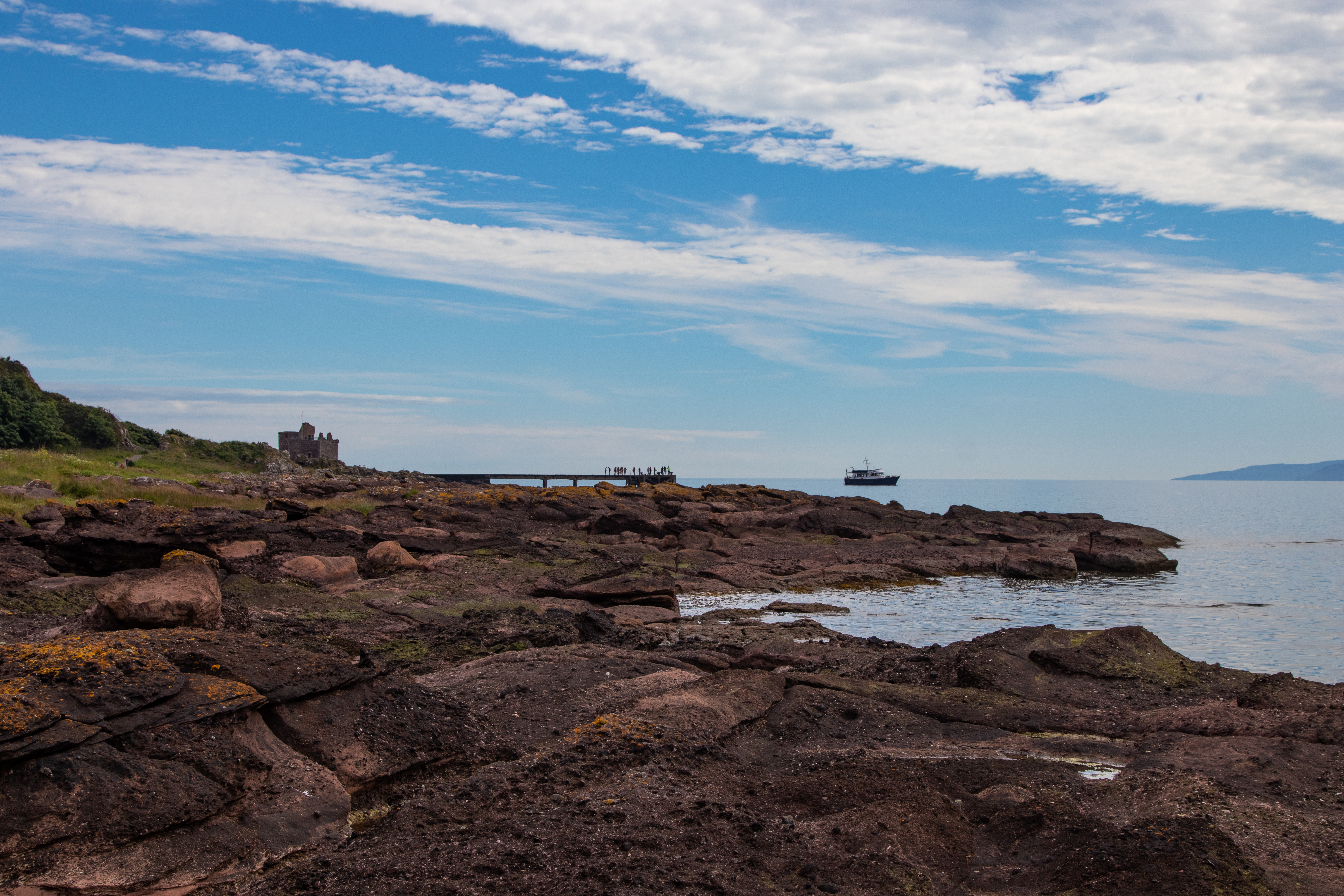
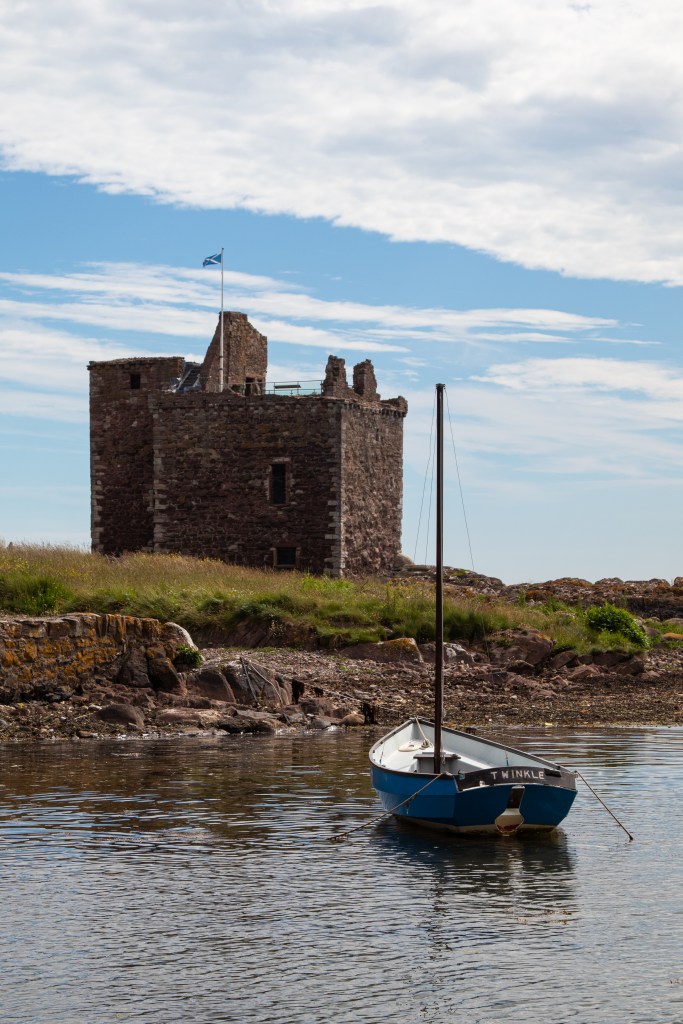
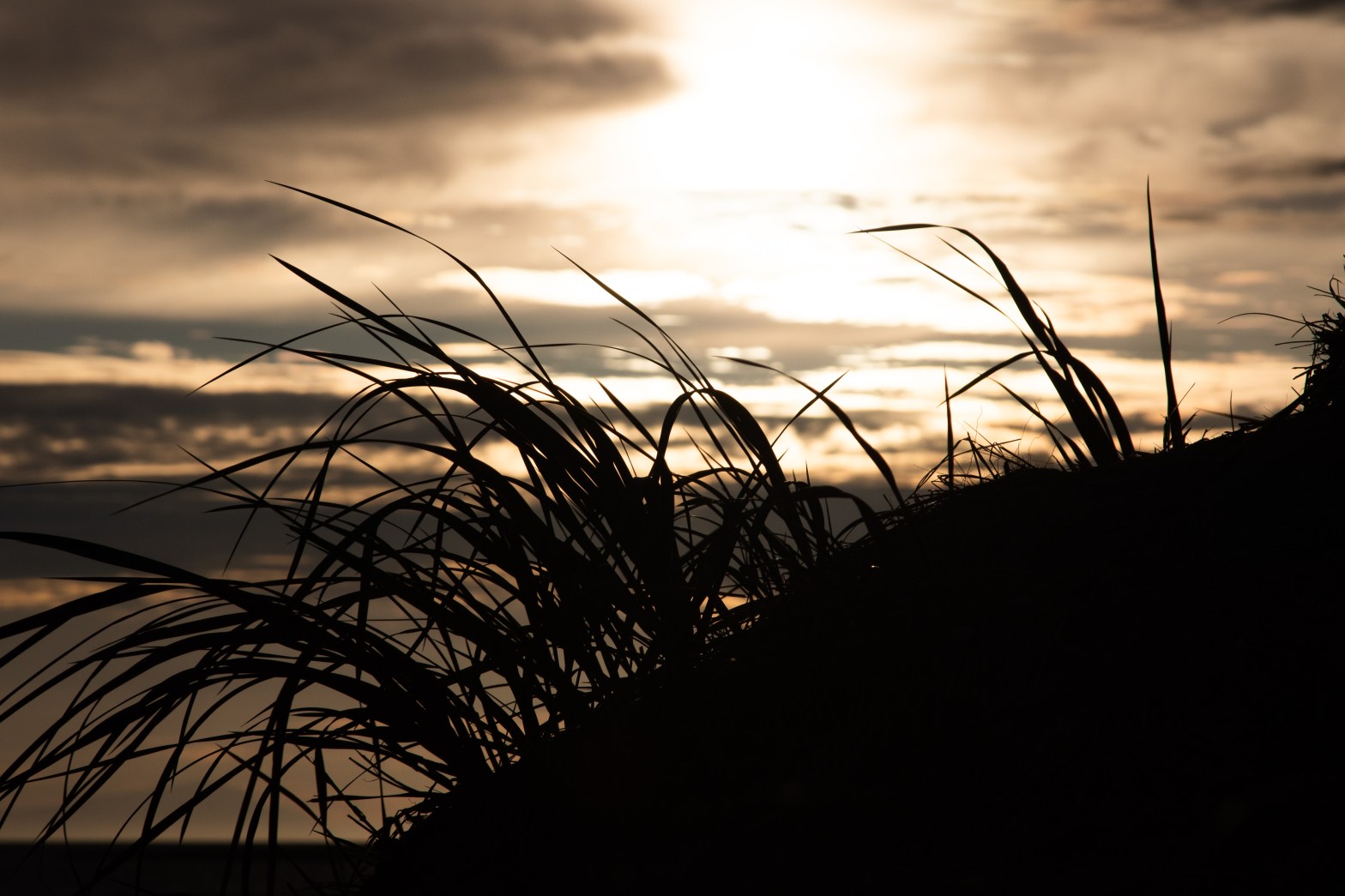
There’s some beautiful sunsets there in Troon. Slightly further north there’s the tiny hamlet of Portencross. I heard about this place through the Sunday Shoot Group (it’s what I call them, there isn’t an official name). They went to Portencross long before I joined and it stuck in my head as an idea. So I set off before my walk on Sunday to get a few shots in.
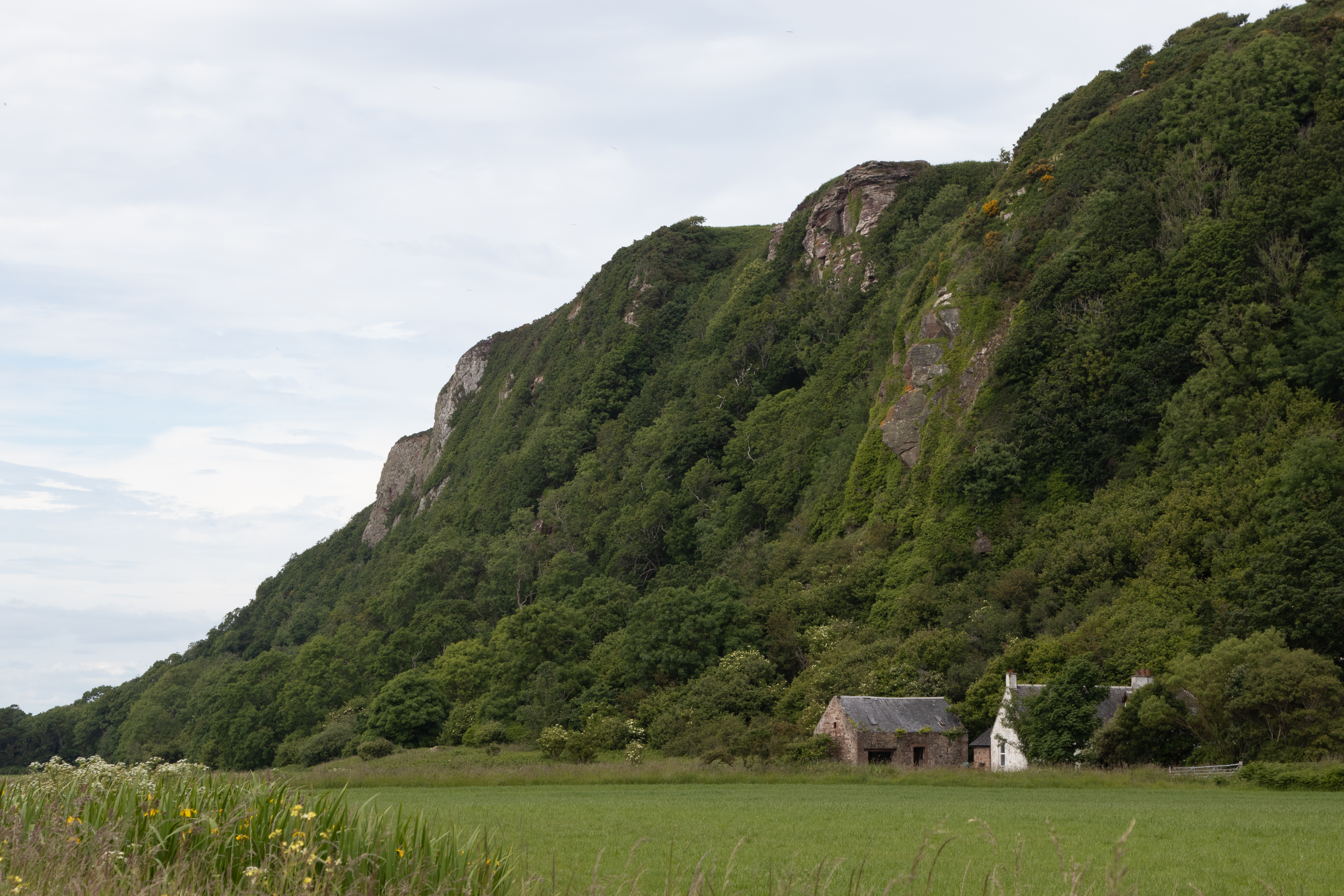
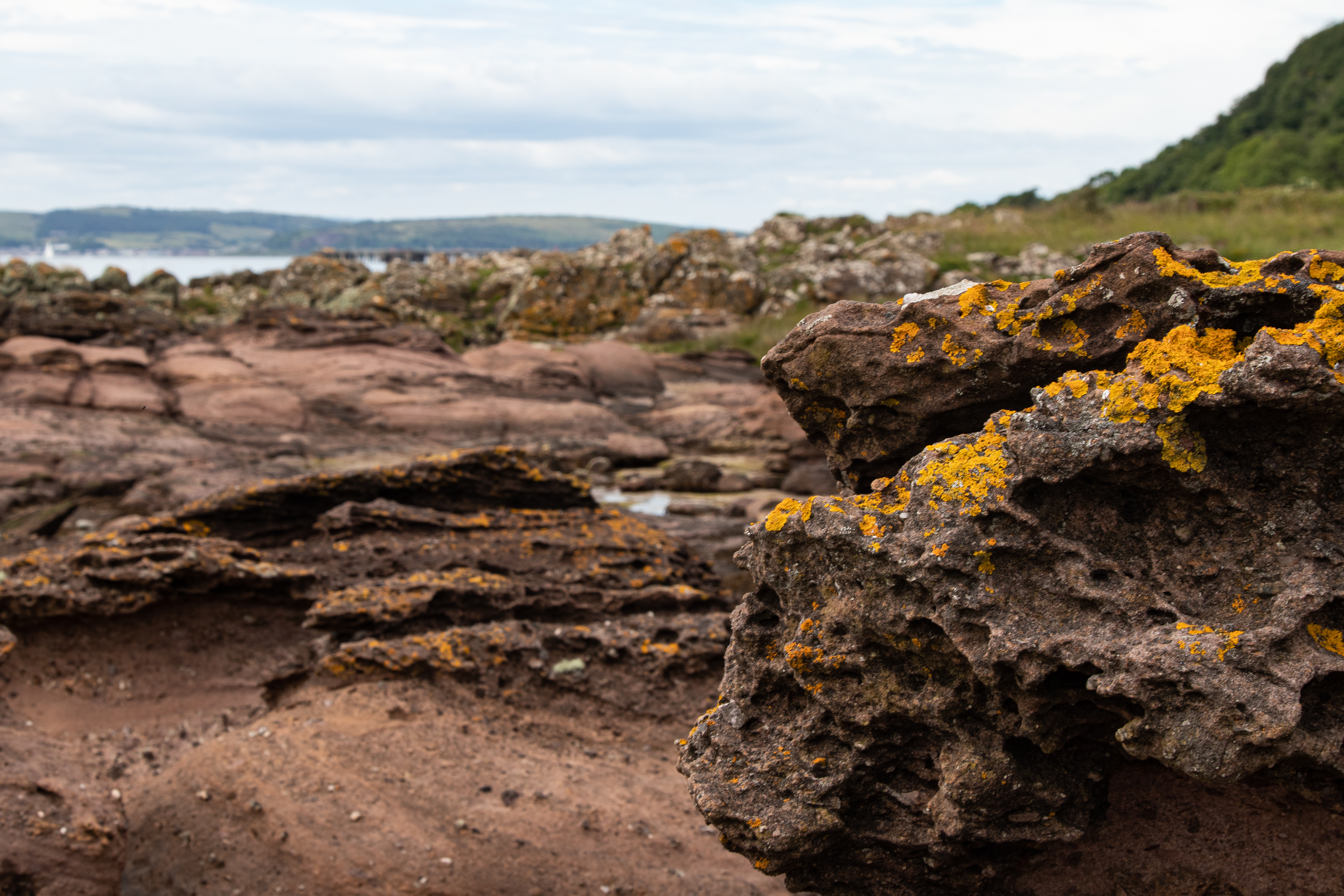
I was slightly broken after all the walking. Turns out my new camera bag is great but does weigh in at about 17lbs (and that’s with my iPad not the full MacBook). It’s a bit of a stretch for me at the moment, going to have to work on my fitness levels for carrying it any length of time.
South Queensferry

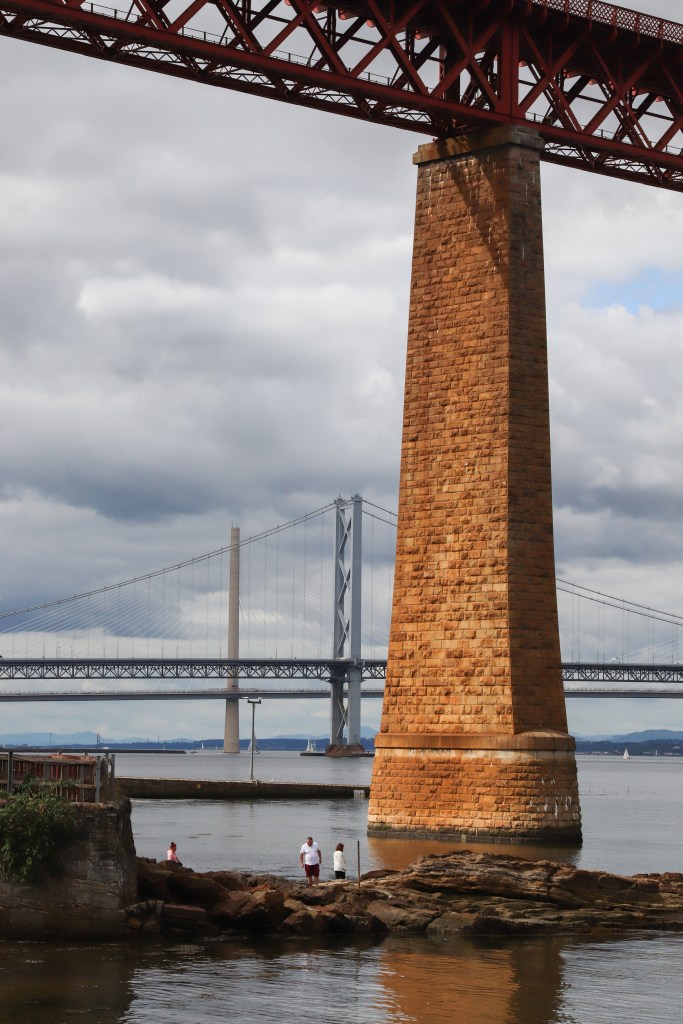
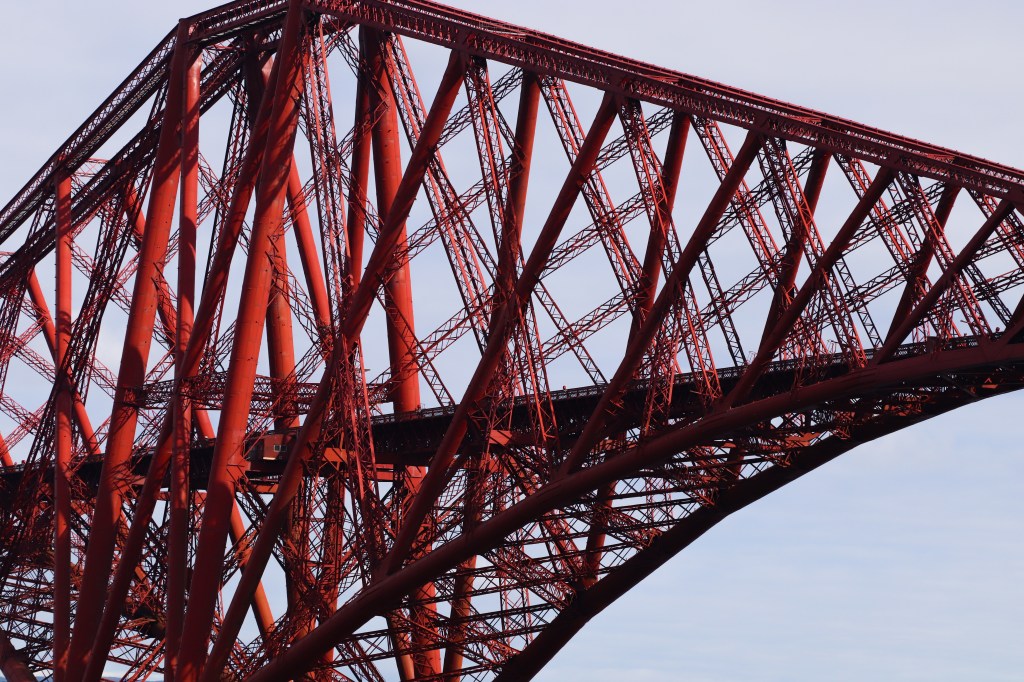
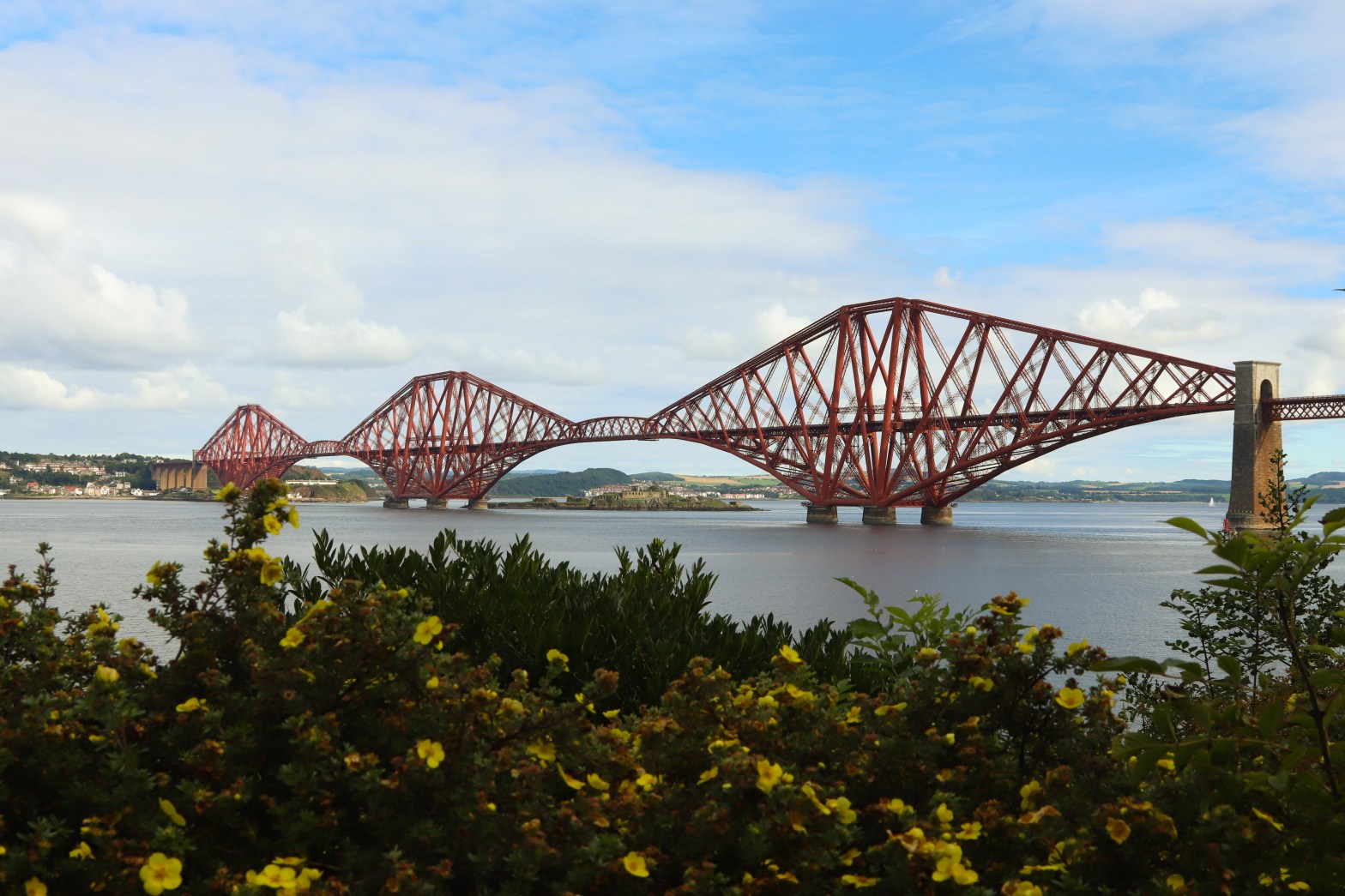
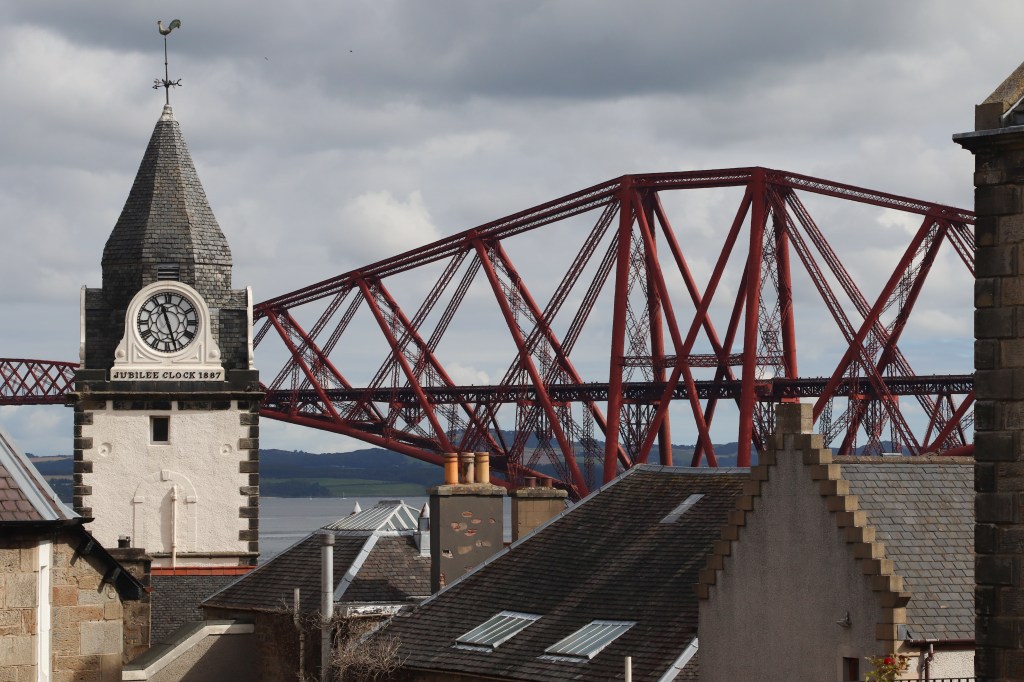
Sitting on the edge of the Firth of Forth is a sweet little town better known for the iron rail bridge that cuts through and dominates the skyline. A place with its own history and teeming with sightseers currently, it’s a great place to visit. It does boast some great views of the 3 Forth bridges – the famous red rail bridge, Forth road bridge, and the new Queensferry Crossing.

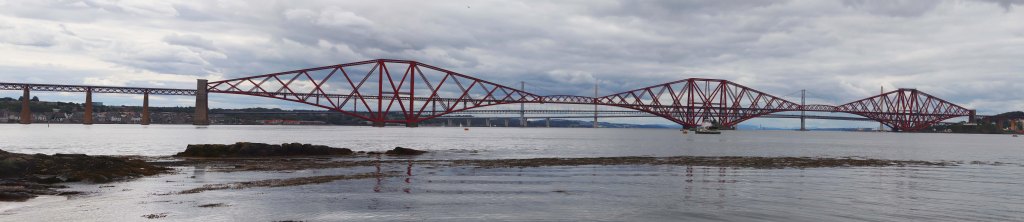
All three bridges stacked up, looking west. If you move further to the east beyond the Queensferry Crossing then you can achieve amore startling effect as the grey road bridges stand out out over the red of the Rail Bridge. I didn’t manage to head out that way this time but did walk out from the town further west to get the shots to build a panorama.

As assembled in Photoshop and then reduced….. the original image is over 23,000 pixels long and broke WordPress. I’ll admit it does lose something in the reduction. The colour and vibrancy is kinda kicked out of it.

For more on the science of the iconic Forth Rail Bridge and it’s history check out Wikipedia.

New Lanark

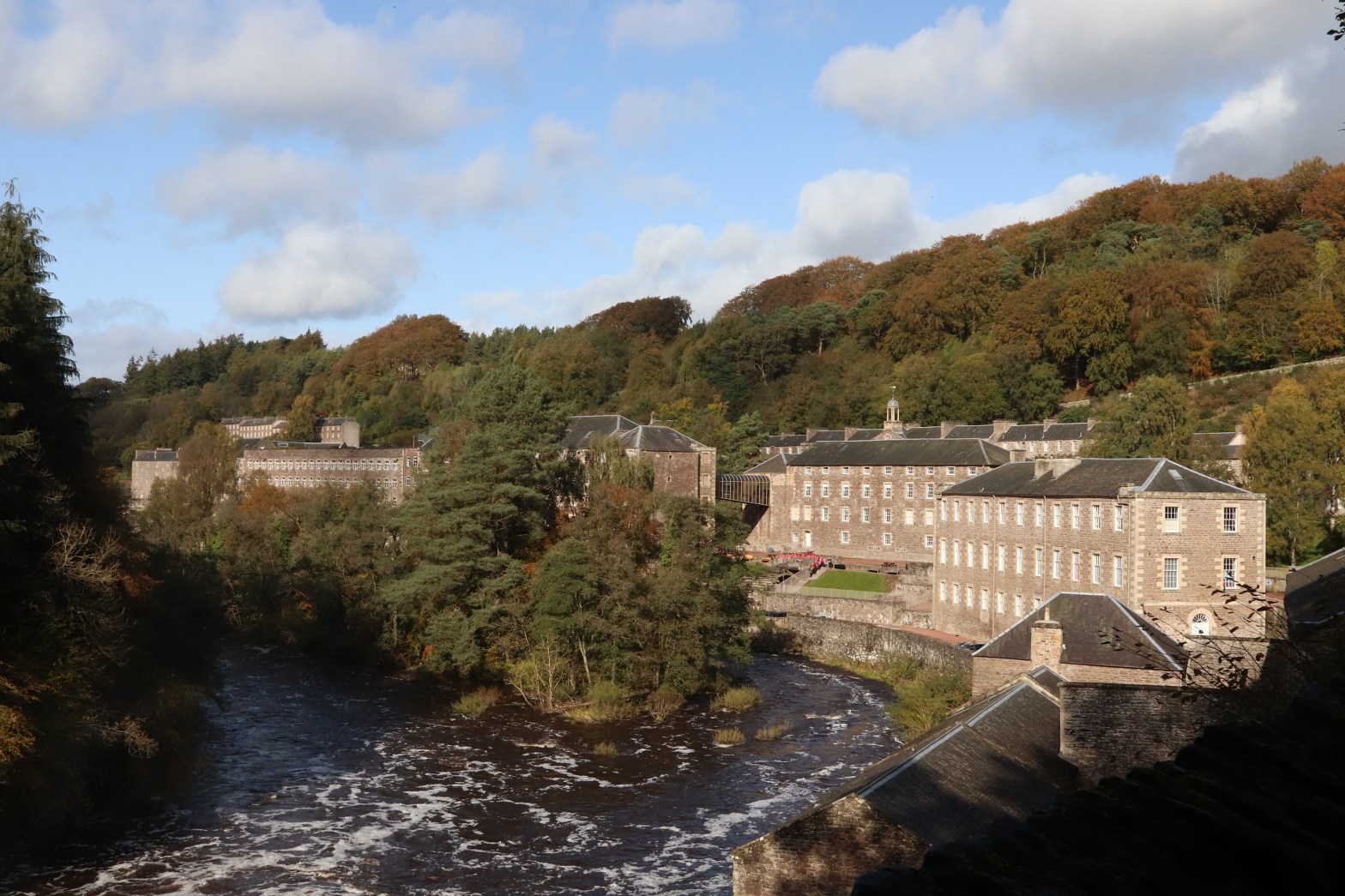
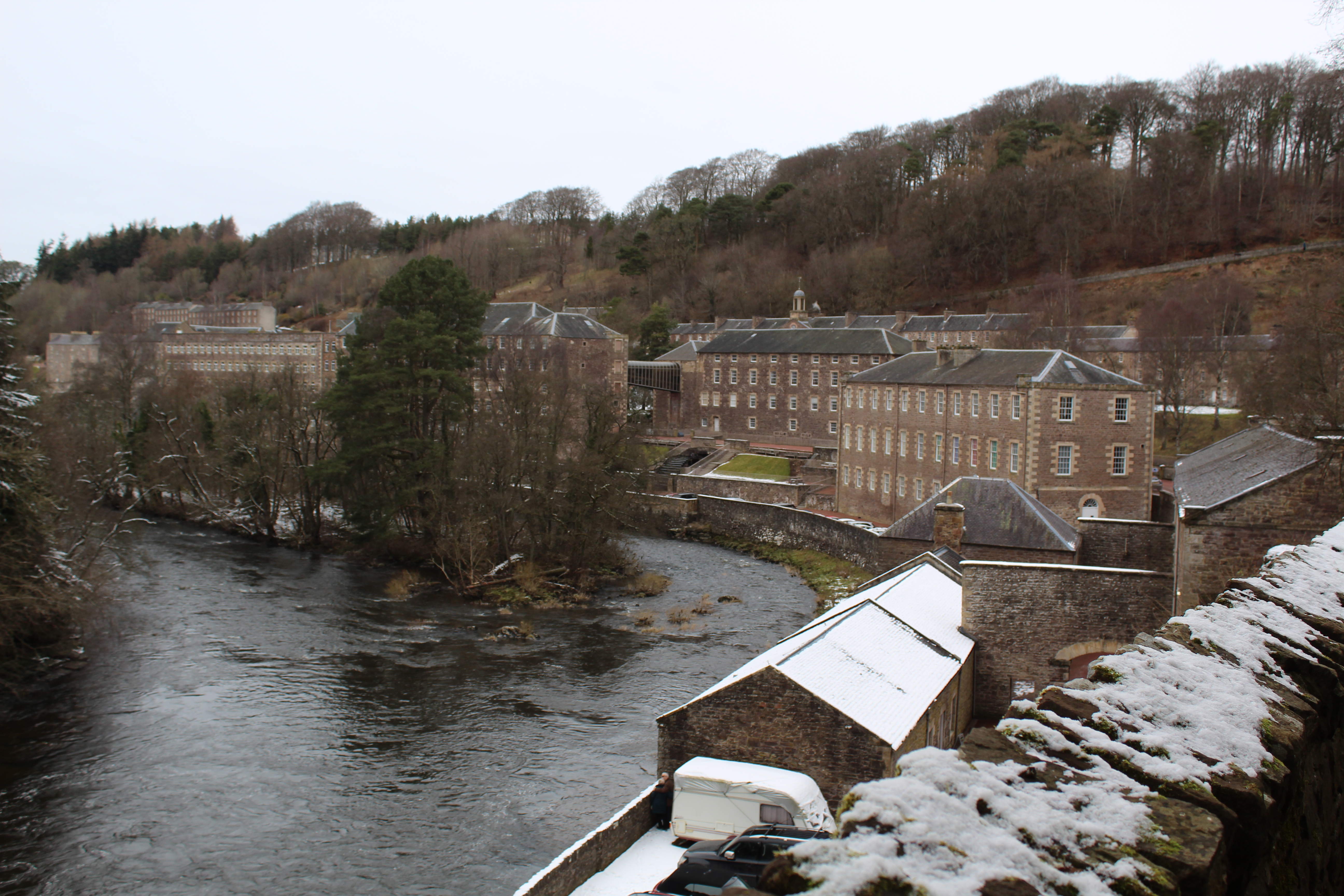
The beautiful village of New Lanark is one of my favourite haunts, even before I became attached to a camera. There’s something about its selfcontained nature and the history attached to the place that keeps dragging me back. Well that and the fact that I still feel like I haven’t seen every single corner yet.

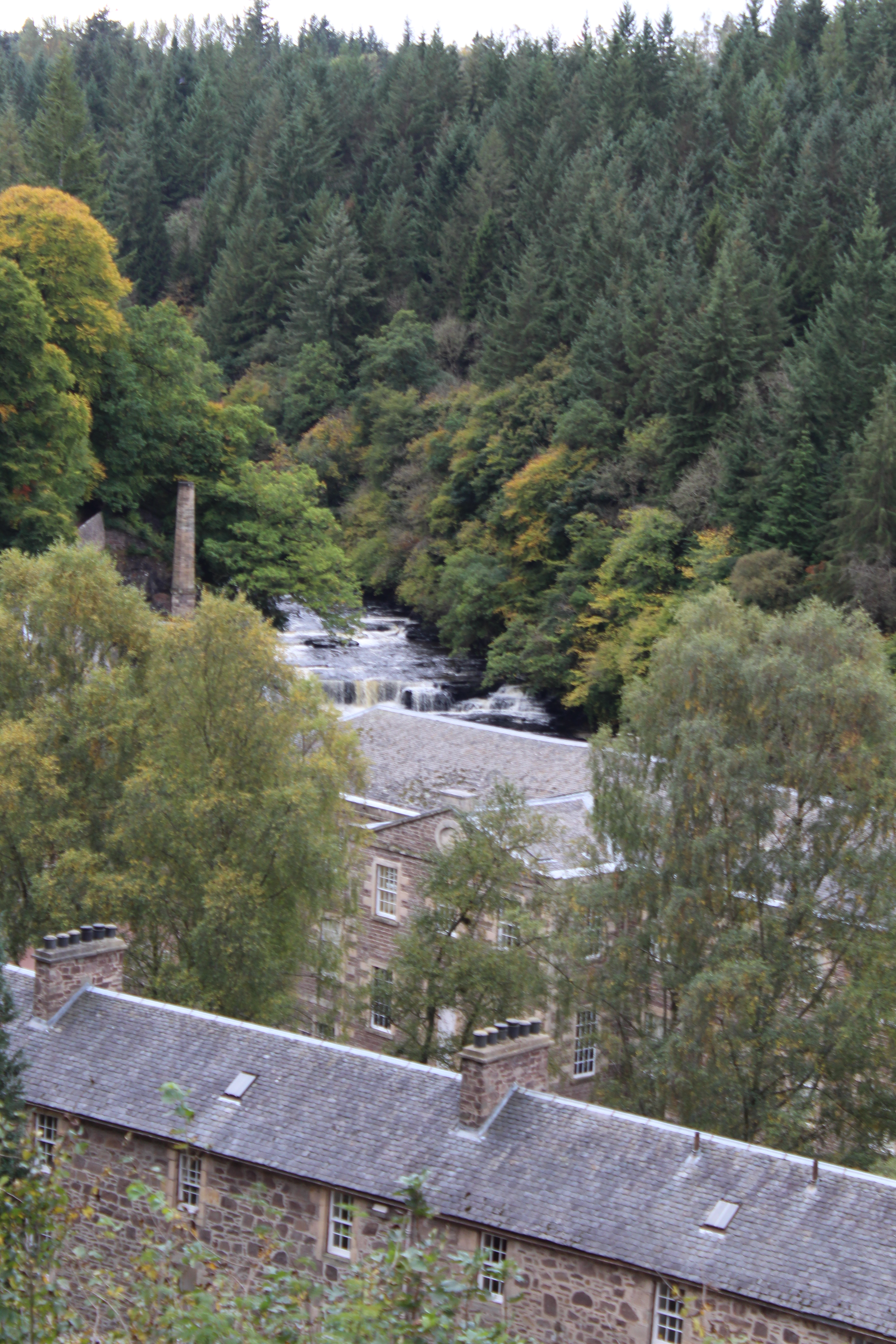
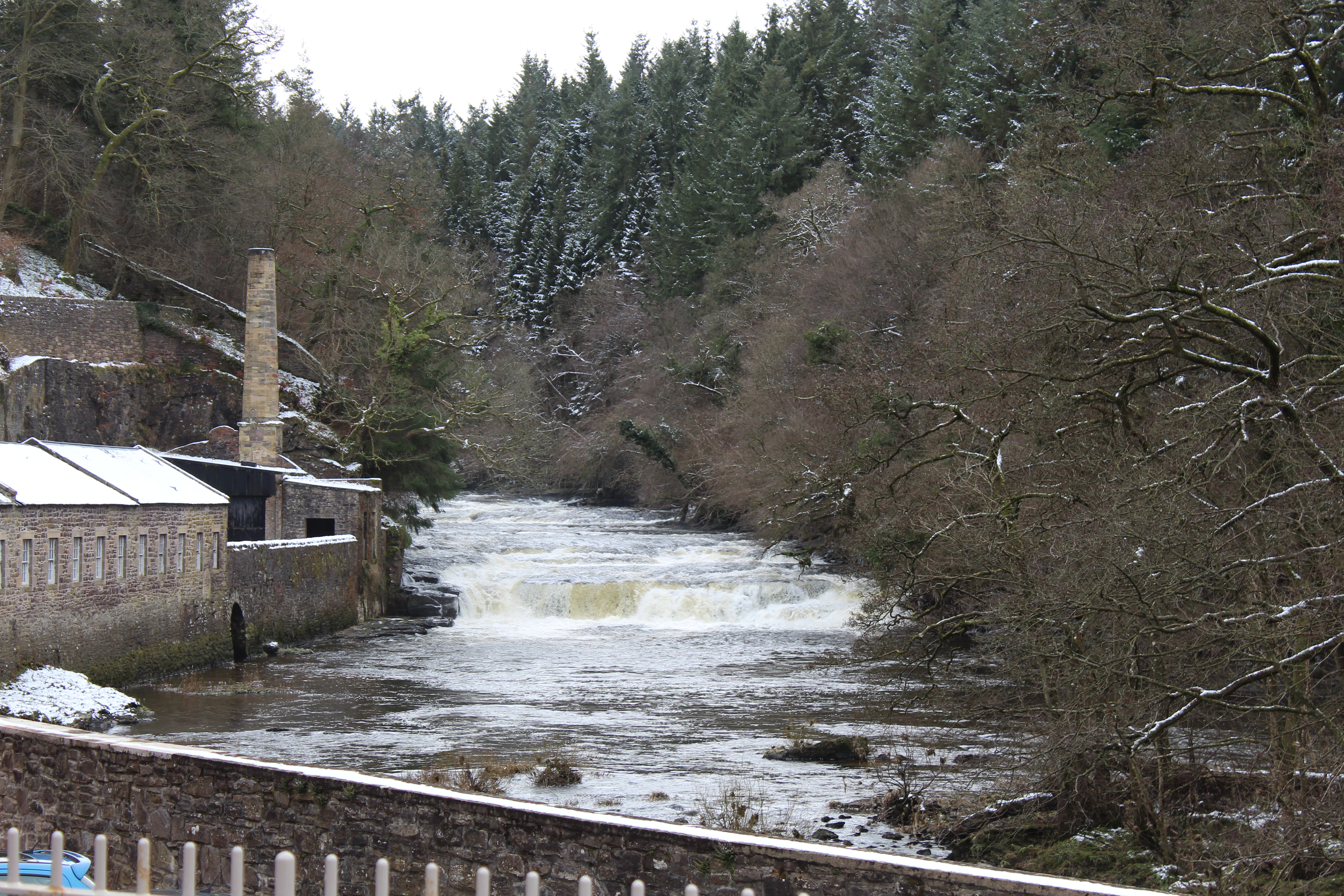
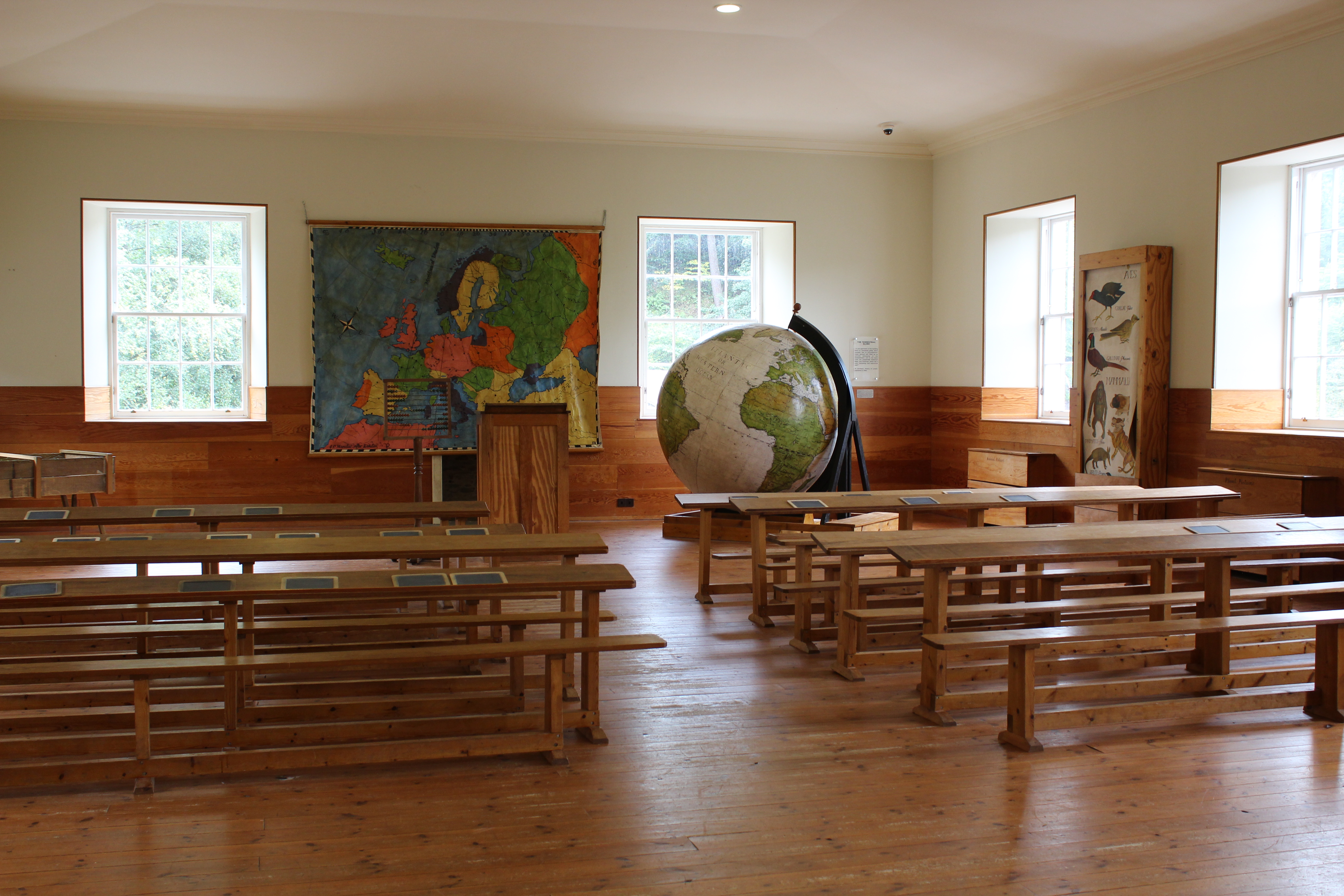
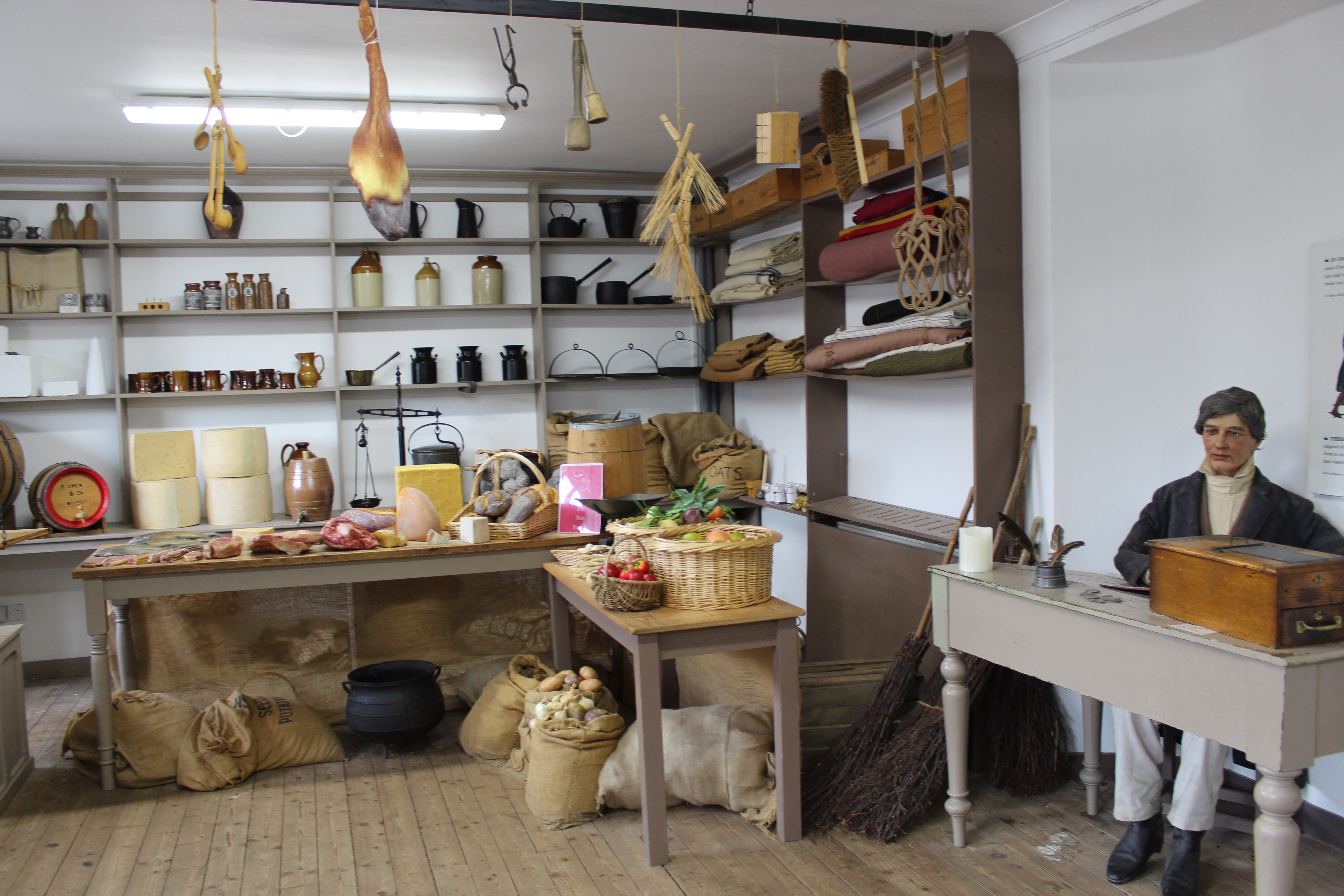
I have photos hailing from every season and every incarnation of my kit. All of these are from 2018/2019. Even if you don’t leave the village for the Falls of Clyde then there is a wealth of history and places to discover. Pre-Covid the Spinning machine works Monday to Saturday so you get a sample of the noise and atmosphere of the mill when it was in operation. The wool that is spun here is on sale in the gift shop and the cafe is an essential stop on any trip. Additionally you can explore the houses of the mill workers, village shop, Robert Owen’s house and the school when you get a entrance ticket (worth it!).

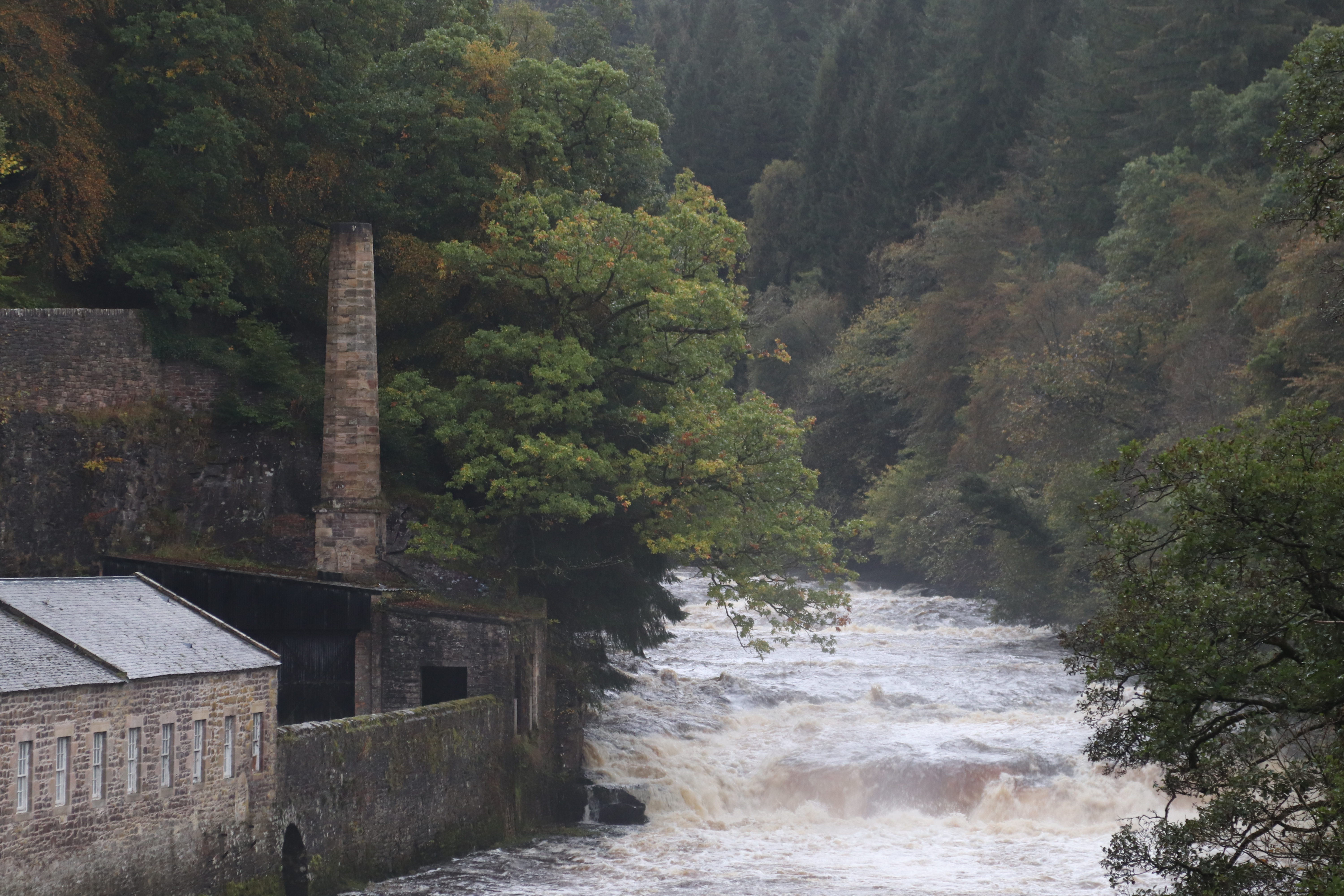
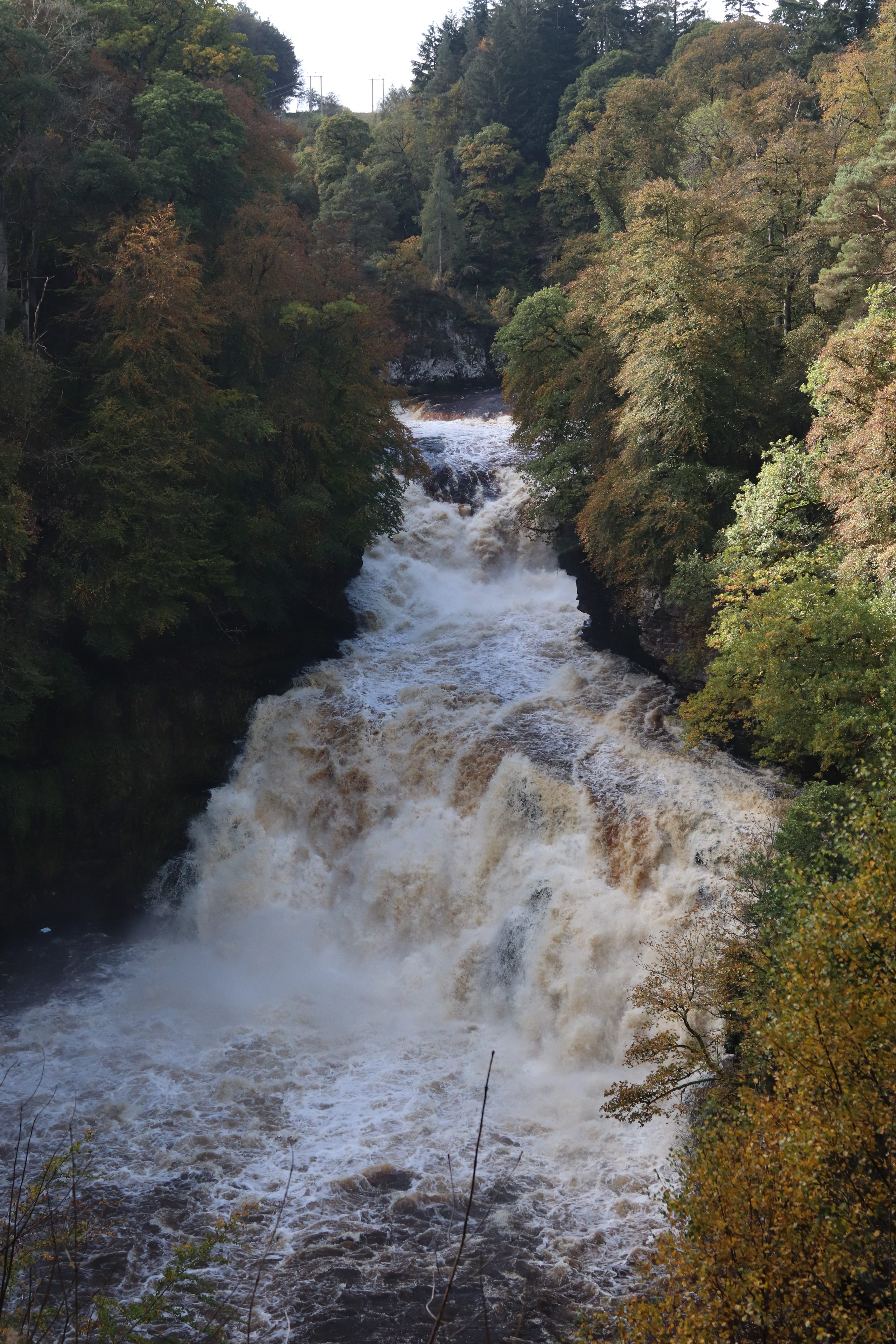
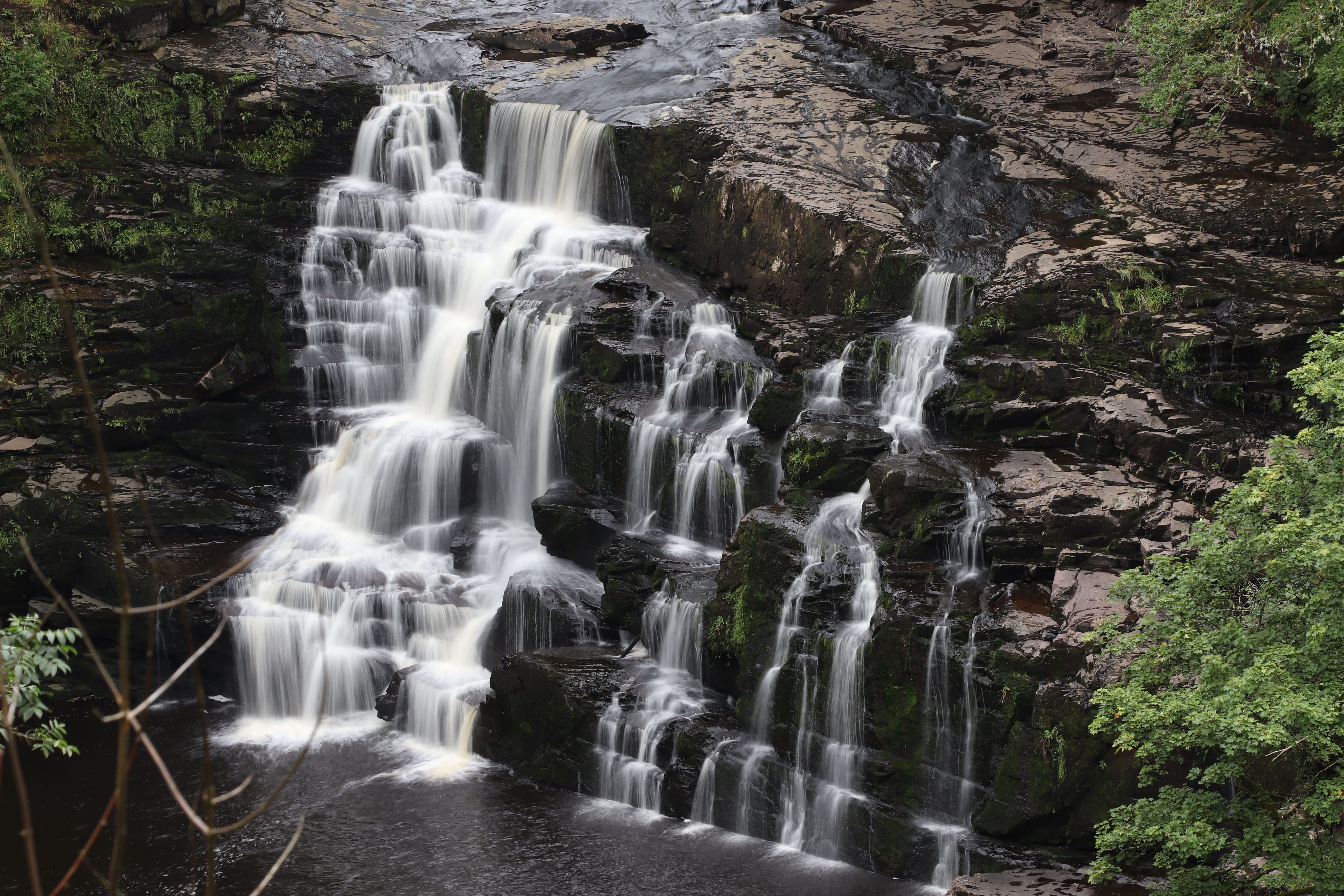
The beautiful walk along the Falls of Clyde is a great way to spend the afternoon it too changes with the seasons as you can see from the gallery above. This land was part of the Bonnington Estate and there are still pieces of history dotted all over the hiking trails.

This land was part of the Bonnington Estate and there are still pieces of history dotted all over the hiking trails. Interestingly the archway at the start of the trail marks the land boundary and the workers of the mills were not permitted to pass through.

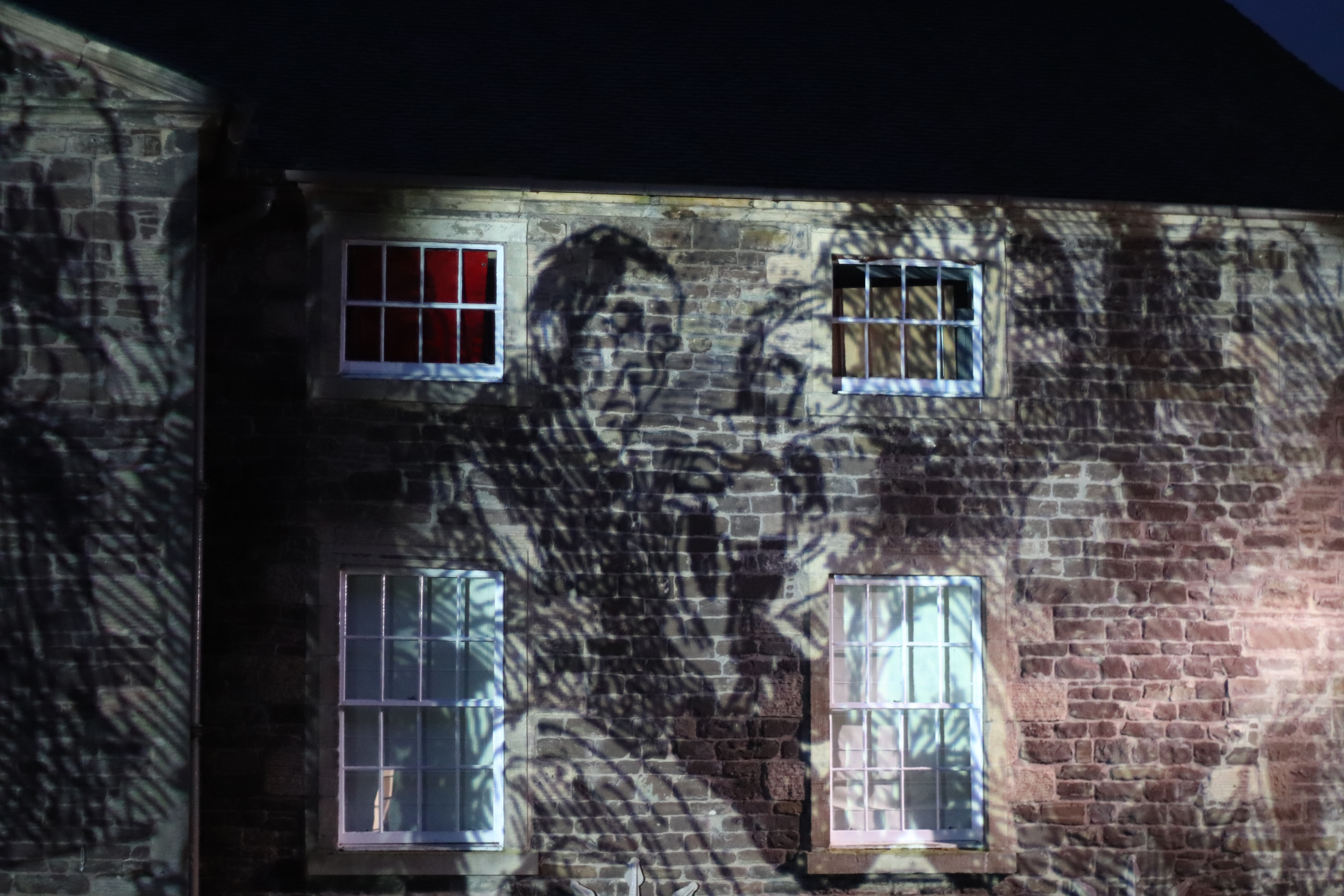
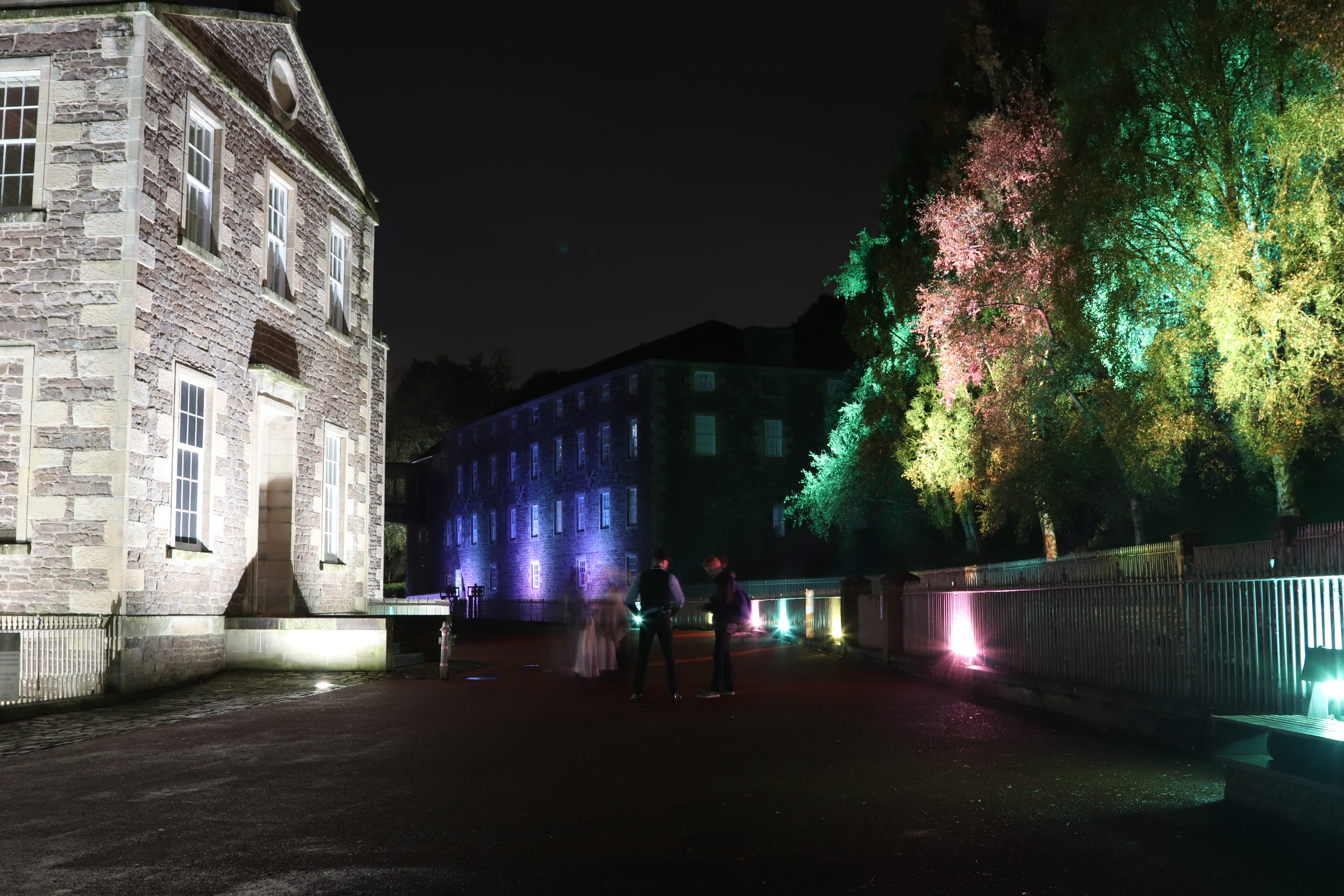
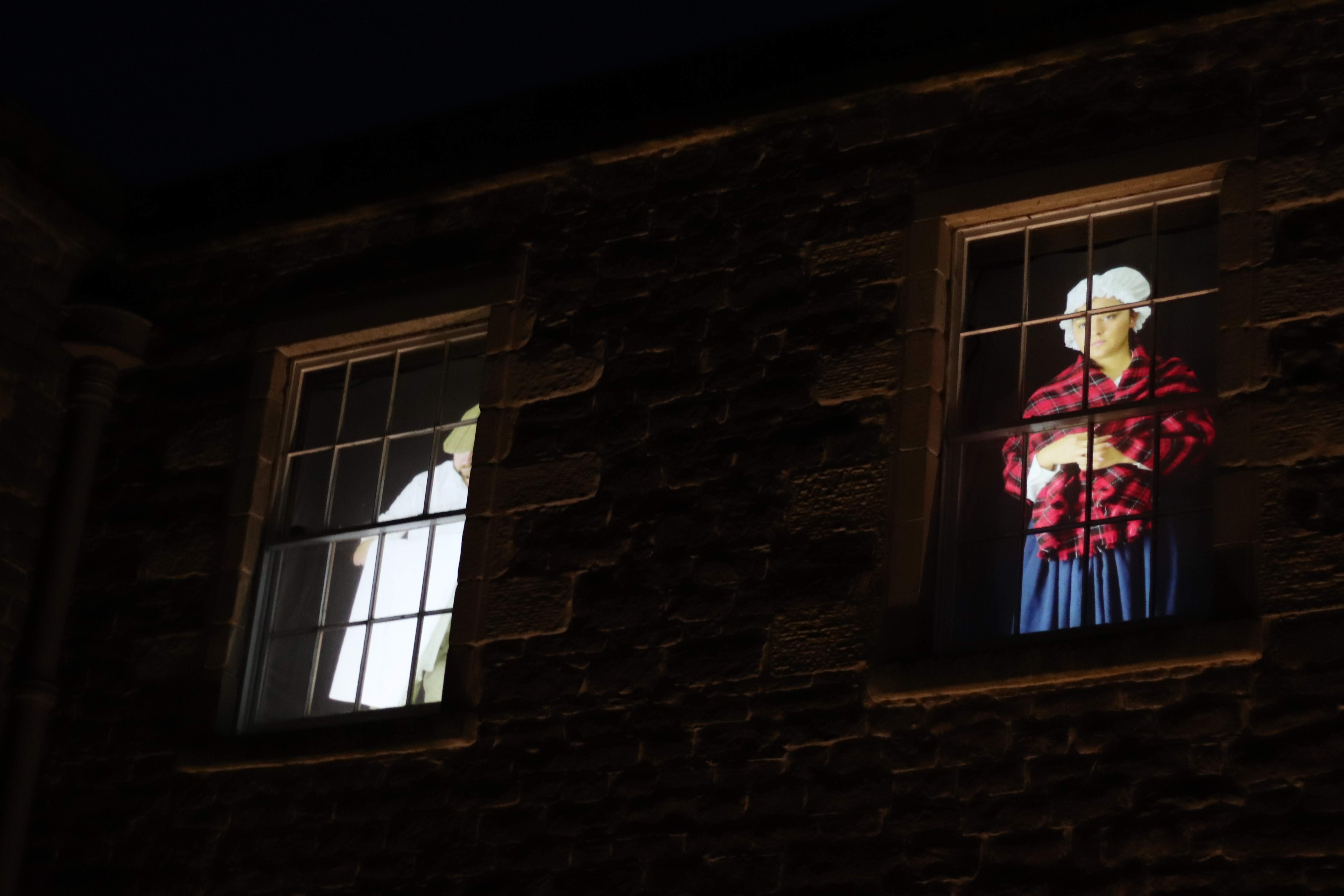
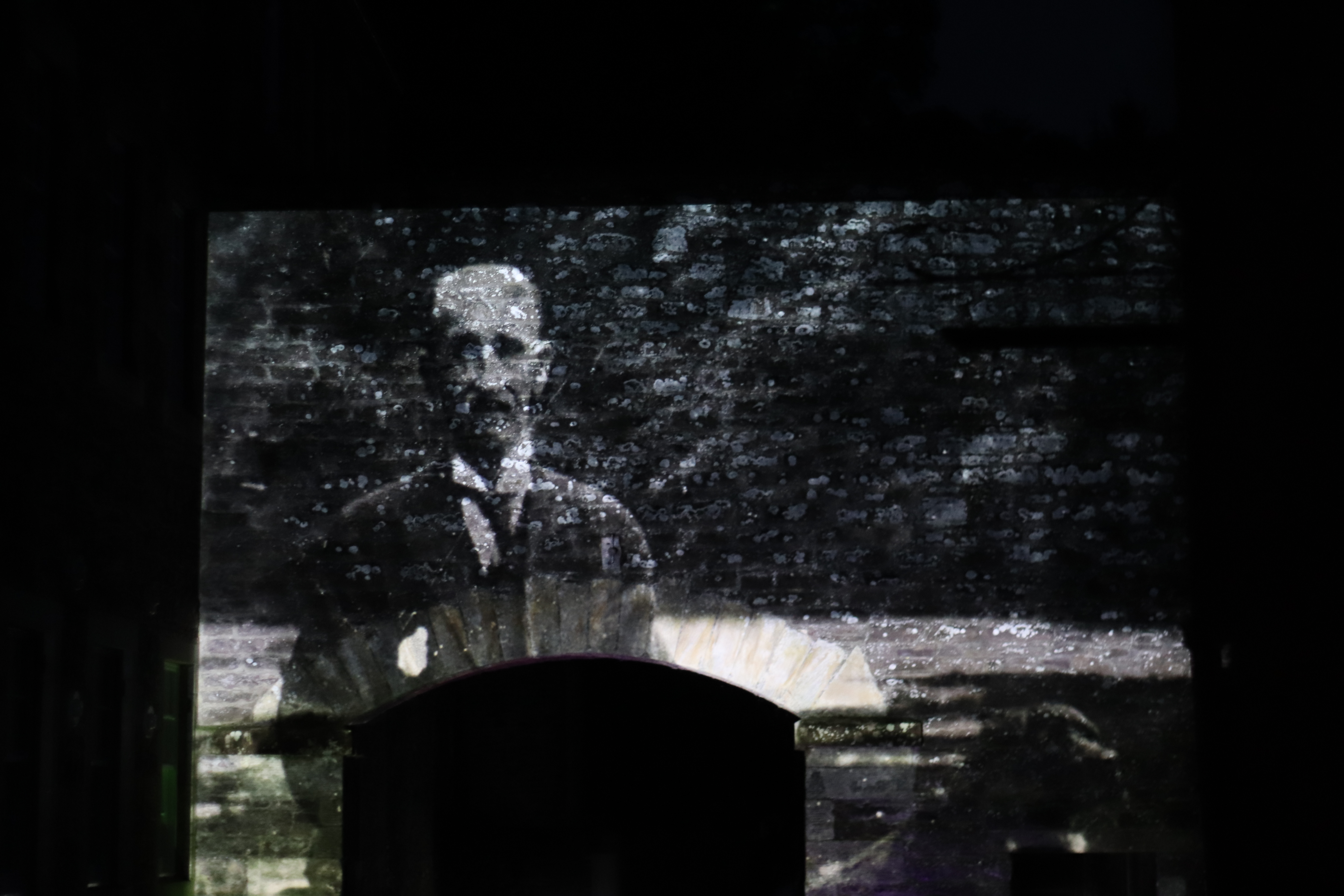
I’m lucky that I have been to a couple of events at New Lanark as well. Most notably I was able to attend a press launch of Shining Lives: Fortunes of Fate last October. It was an installation of light and images projected onto the buildings, telling the story of highlanders who were on their way to America only to find an opportunity and a home in New Lanark. This was a beautiful way to see the buildings and to learn about another part of the history.

It’s safe to say it’s well worth the journey at any time of the year. Although the virus has temporarily closed the exhibits, you can still hike the falls, appreciate the buildings, learn about the history and enjoy some time off in the cafe.

Teide

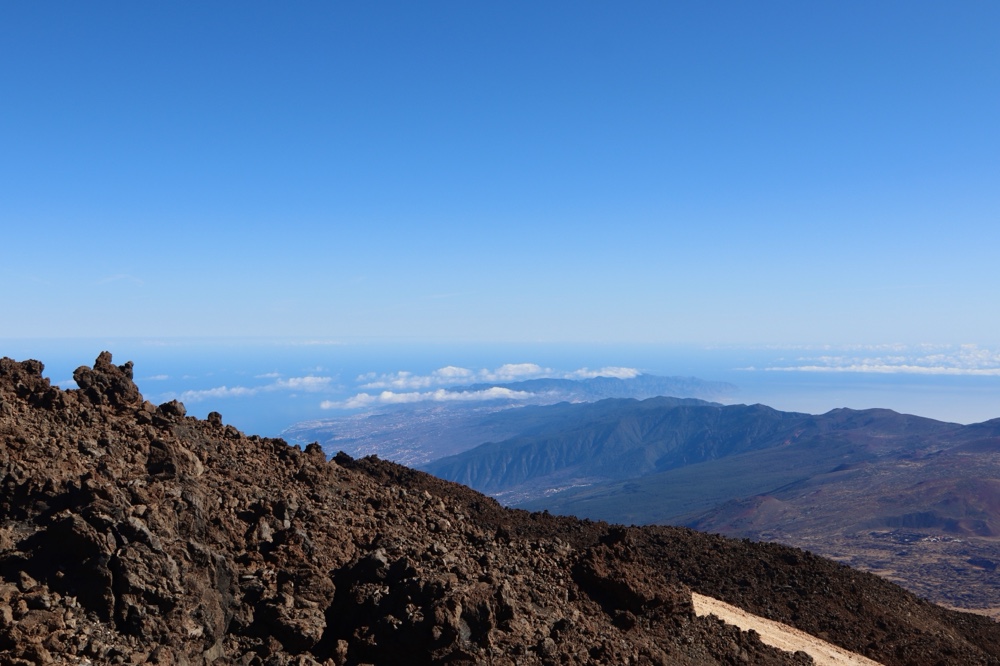
Well I’m home and this is the last of the main days of shooting in Tenerife. The beautiful volcanic mountain of Teide. It’s last eruption was in 1906 so the thousands of tourists that visit everyday are probably safe. It’s the highest point on the island and national park status makes it a massive draw for those who love climbing and hiking.

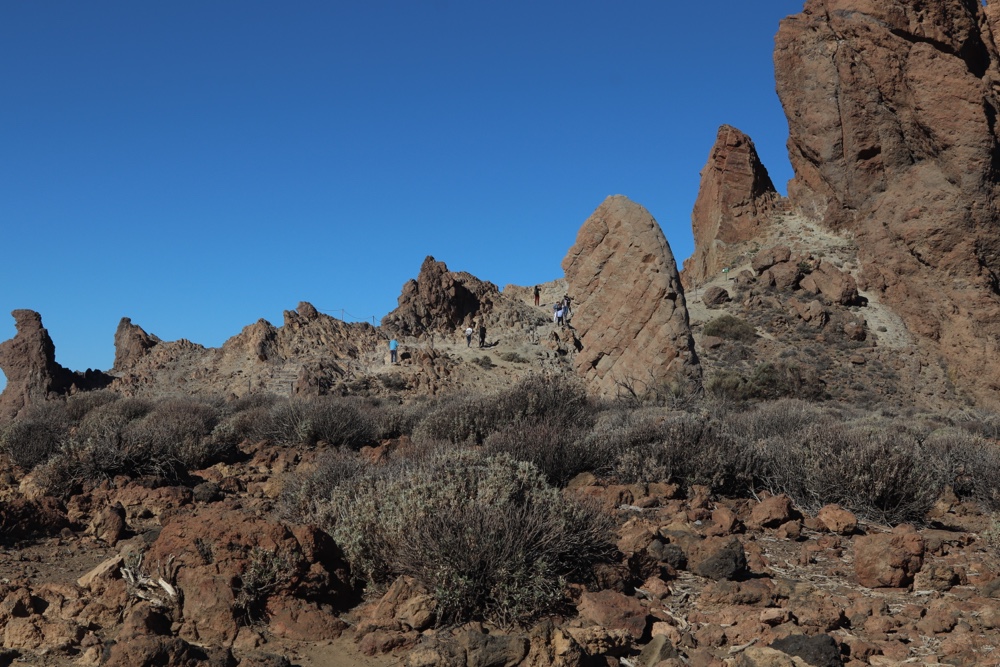
You can still see the lava flows on the surface of the mountain and the edge of the crater.

There’s a cable car that runs up to a considerable altitude. From previous experience I know I don’t do well at altitude (I did plenty of that in 2013 when I went to Switzerland, before I took any serious photo.) so my time at the top was short and peppered with the sight of me utilising my asthma inhaler. But as the cover image for this post shows it really is the top of the world…..

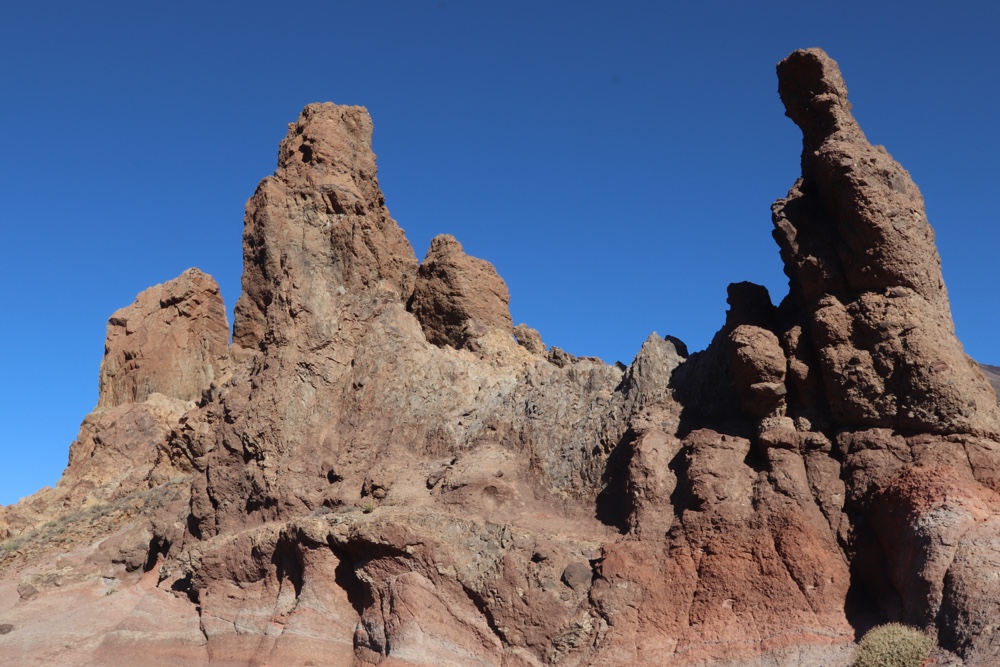
These stacks of rock from the volcano remain when the softer rock around them wears away.

If the whole thing looks a bit other worldly then you won’t be surprised to hear that it’s sometimes used as a replica for the surface of Mars as it has similar properties. I could quite easily imagine this as a backdrop for sci-fi B movies.

The National Park requests that people keep the the paths to reduce damage to the landscape. Which must be a mammoth job.